A former Uvalde schools police officer has been acquitted of criminal charges stemming from the law enforcement response to a mass shooting at Robb Elementary. While he walks free, the 19 children and two teachers who lost their lives underscore the tragedy at the heart of the case.
Subscribe
Analysis and Opinions
Breaking News
Former officer acquitted at trial over police response to Uvalde, Texas, school shooting

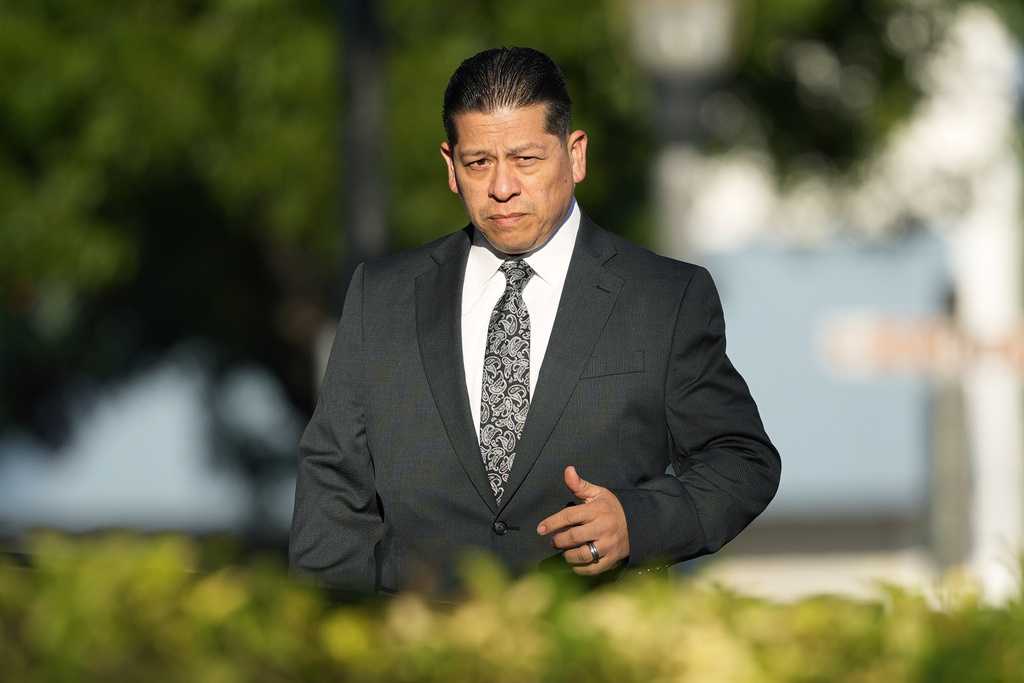
Photo by Kcra
Key Takeaways:
- A former Uvalde schools police officer was acquitted of charges that he failed to confront the gunman.
- Nineteen children and two teachers were killed in the Robb Elementary shooting.
- Criticism centers on a 77-minute delay and hesitant response from law enforcement.
- Over 370 officers ultimately responded to the shooting.
- The verdict raises broader questions about accountability and police preparedness.
Background
The events at Robb Elementary School shocked the nation when a gunman entered the building, killing 19 children and two teachers. The tragedy led to a wave of grief in Uvalde, a rural Texas community unaccustomed to such violence. In the wake of the shooting, officials launched an in-depth investigation into law enforcement’s actions and readiness on that fateful day.
The Officer’s Role and Charges
Among the first to arrive was a Uvalde schools police officer who soon faced charges that he failed to confront the gunman when immediate action was most critical. Prosecutors pursued child abandonment charges, contending that he did not meet his sworn duty to protect those within the school.
The Trial Proceedings
During the trial, jurors heard emotional testimony and reviewed evidence of a hesitant response that drew criticism from across the country. The officer’s defense argued that decisions made at the scene were shaped by confusion and inadequate training. After deliberating, the jury pronounced a verdict of acquittal, determining the state had not proven that the officer’s actions reached a criminal threshold.
Broader Law Enforcement Response
Questions about police readiness intensified with revelations that 370 officers had responded to the crisis. Despite the massive law enforcement presence, the official timeline indicates a 77-minute delay before the gunman was confronted. The large-scale mobilization, combined with alleged training failures, underscored major concerns about how agencies coordinate in high-pressure situations.
Community Impact and Next Steps
For the families of the 19 children and two teachers killed, the outcome of the trial is only a small part of a continuing quest for answers. Community members and officials alike remain focused on how such tragic failures could occur—and what steps can prevent them in the future. The question of how to improve law enforcement training and readiness in schools remains at the forefront for those seeking accountability and safety reforms.