Former prosecutors Kim Foxx and Aramis Ayala joined civil rights advocate Rashad Robinson to explore the question, “Are civil rights under attack?” Their conversation, known as the Freedom Table, examined how local officials can act as critical checks when federal power goes unchecked.
Subscribe
Analysis and Opinions
Political Movements
Freedom Table: Are Civil Rights Under Attack? Prosecutors Speak Out On Power And Accountability

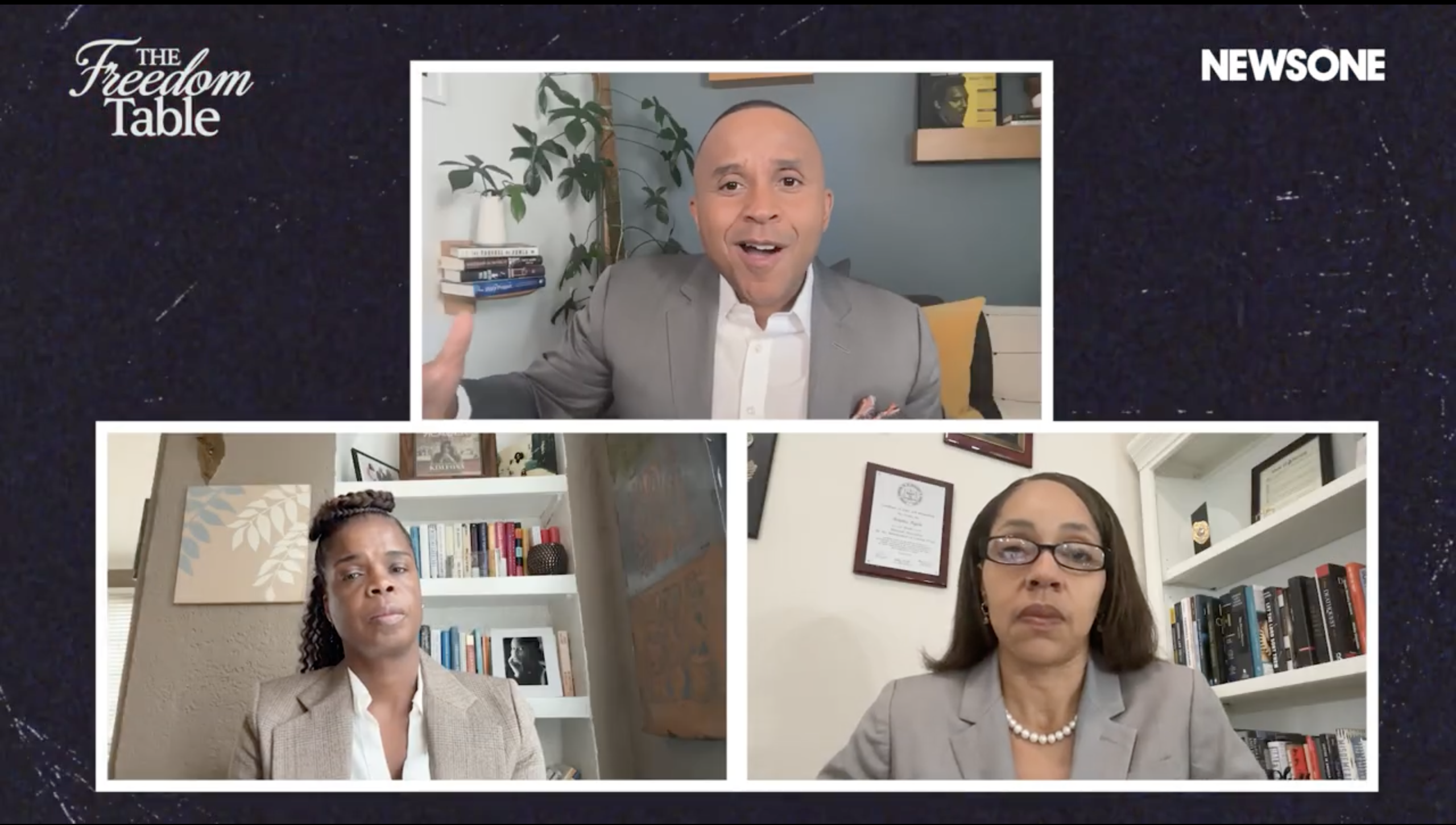
Photo by Newsone
Key Takeaways:
- Civil rights may be under threat, prompting urgent conversations among public officials
- Former prosecutors Kim Foxx and Aramis Ayala highlight prosecutorial power in defending freedoms
- Federal authority requires balancing checks to prevent overreach
- The Freedom Table serves as a platform for timely discussions on political and social issues
- Local-level advocacy can safeguard citizens’ rights and encourage accountability
Introduction
Civil rights in the United States have long been enshrined in the nation’s legal framework, yet many worry they face renewed challenges. A recent event, dubbed the “Freedom Table,” brought together notable voices to examine these concerns. Former prosecutors Kim Foxx and Aramis Ayala joined civil rights advocate Rashad Robinson for a conversation on whether Americans’ freedoms are truly secure and how elected officials can step in when federal power appears unchecked.
The Call for Accountability
In discussing their experiences, Foxx and Ayala underscored the importance of ensuring that no single authority becomes too powerful. They pointed to their roles as prosecutors, which placed them on the front lines of enforcing the law at local and state levels. According to the conversation’s participants, accountability is a cornerstone of democracy, requiring consistent effort from both the community and those in positions of public trust.
Questions of Federal Power
With terms like “Washington” and “Donald Trump” surfacing in the conversation’s broader context, the discussion highlighted the perceived imbalance when federal actions face limited scrutiny. Speakers raised concerns about the consequences of leaving federal power unchecked, emphasizing the need for robust local countermeasures. While specific policies were not the focus, the dialogue shone a light on the broader climate of political tension and the importance of vigilant oversight.
Building Consensus Locally
Both Foxx and Ayala agreed that local officials—from prosecutors to community leaders—hold the power to enact meaningful reforms. Rather than relying solely on top-down directives, the discussion noted that grassroots engagement and local coalition-building can be instrumental. Civic engagement, they argued, fuels a healthy democracy, ensuring that voices on the ground are heard and rights are protected.
A Platform for Timely Conversations
Organized under the “Freedom Table” umbrella, this discussion reflected a growing urge to tackle weighty national issues from multiple angles. The format fosters a candid exchange of ideas about the intersection of civil rights and the responsibilities of prosecutors, particularly as they relate to federal oversight. Such forums, the participants suggested, expand public awareness and encourage action from citizens and officials alike.
Why It Matters
By spotlighting concerns over unchecked power and highlighting the role of local leaders, the Freedom Table underscores how community-based efforts can uphold and advance civil rights. This approach cuts across politics, geography, and social divisions. Whether or not America’s civil liberties are truly at risk, the conversation signals a collective drive to remain vigilant—ensuring that principles of justice, fairness, and accountability remain more than just ideals.