Governor Josh Shapiro unveiled a $53 billion budget proposal for 2026-27, calling for a $15 minimum wage, increased education spending, and the legalization and taxation of marijuana. The plan underscores his administration’s commitment to strengthening Pennsylvania’s economy and public services.
Subscribe
Breaking News
Policy Analysis
Gov. Shapiro unveils budget proposal

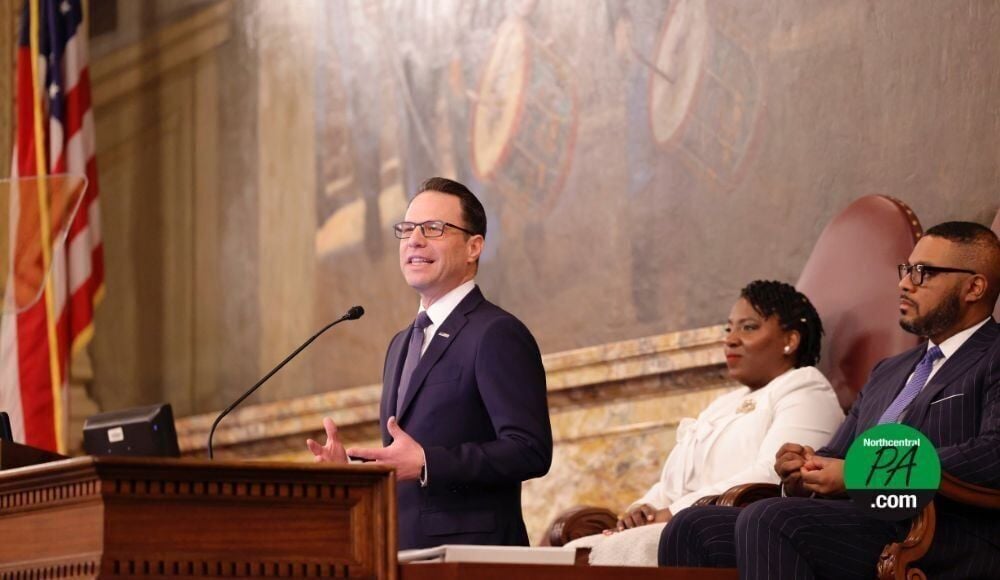
Photo by Laconiadailysun
Key Takeaways:
- Governor Shapiro proposes a $53 billion 2026-27 state budget
- The plan calls for raising Pennsylvania’s minimum wage to $15
- Education funding increases are a notable centerpiece
- A framework to legalize and tax marijuana is introduced
- Overall, the budget aims to bolster Pennsylvania’s economy and workforce
Shapiro’s Budget Announcement
Governor Josh Shapiro introduced his budget plan, valued at $53 billion for the 2026-27 fiscal year, from Harrisburg, Pennsylvania. The budget’s sizeable figure underscores the administration’s intention to reframe state economic and social priorities over the coming years.
Pushing for a $15 Minimum Wage
A key element of this proposal is Shapiro’s call for a $15 minimum wage, representing a potential shift in income standards for many Pennsylvanians. Advocates believe this increase could help lower-income workers make ends meet, although the plan’s long-term economic implications are yet to be fully assessed.
Empowering Education
In addition to wage reforms, the governor’s budget sets forth higher allocations for public schools. By channeling more money into classrooms, officials aim to enhance educational resources, address disparities, and cultivate a skilled future workforce.
Legalizing and Taxing Marijuana
Further generating public interest is Shapiro’s introduction of a framework for legalizing and taxing marijuana. While details remain to be seen, the administration suggests that regulated sales could create new economic opportunities, generate tax revenue, and reduce burdens on the criminal justice system.
Broader Economic Outlook
The proposed budget positions Pennsylvania to navigate future economic challenges by prioritizing wage growth, educational investment, and exploring new sources of revenue. Although lawmakers will likely debate the specifics in the coming months, Shapiro’s plan sets a notable direction for Pennsylvania’s finances and policy landscape.