Two graduate students from Florida International University have secured prestigious Guy Harvey Fellowships to further shark research. One studies how recreational fishing affects sharks in the Florida Keys, while the other explores shark social behavior, underscoring the importance of marine conservation.
Subscribe
Scholarships
Wildlife Protection
Graduate students awarded Guy Harvey Fellowships to advance shark research

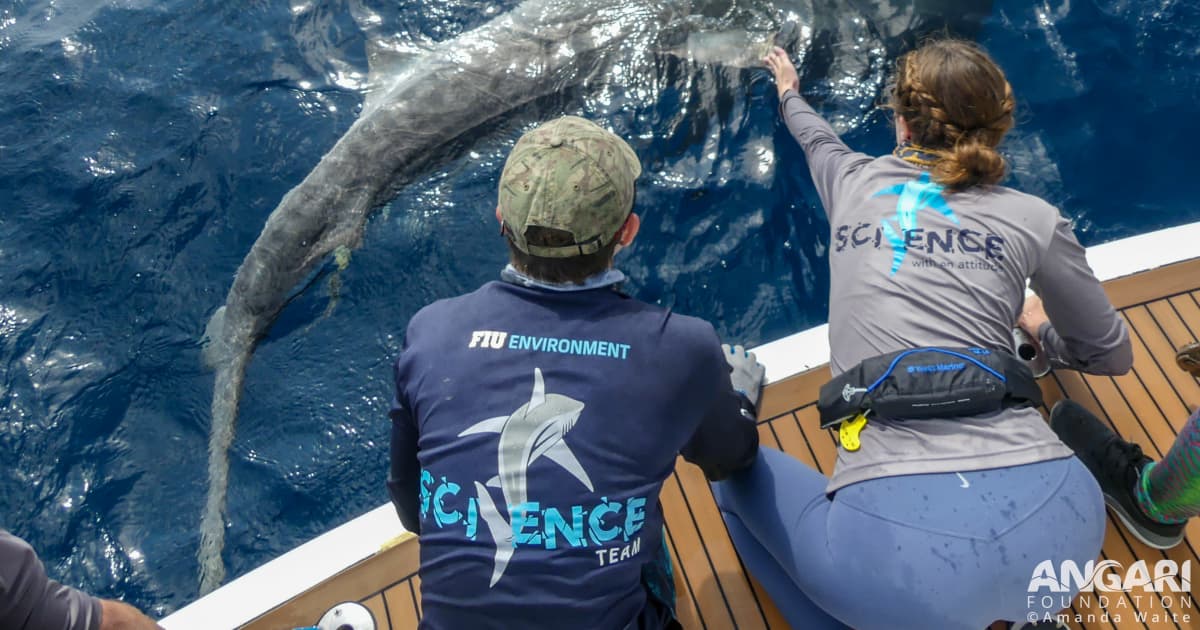
Photo by Florida International University
Key Takeaways:
- Two graduate students received Guy Harvey Fellowships for shark research
- Recreational fishing may shape shark interactions near fish spawning sites
- Investigations into shark social behavior aim to expand scientific knowledge
- The Florida Keys serve as a crucial setting for this research
- These projects highlight the next generation’s vital role in marine conservation
Background of the Fellowships
The Guy Harvey Fellowships recognize and support emerging researchers who advance marine science, offering them the opportunity to deepen their investigations into ocean conservation. By focusing on sharks—a vital apex predator—these grants underscore a commitment to preserving marine life.
Spotlight on Gina Clementi’s Work
Gina Clementi’s research centers on the Florida Keys, where she examines how recreational fishing might influence interactions between sharks and fish spawning. Her approach involves understanding the ecological balance in these waters and how human activity could alter important spawning events. This focus could help inform future guidelines for responsible fishing and conservation planning.
Spotlight on Sophia Hemsi’s Project
Another recipient, graduate student Sophia Hemsi, focuses on shark social behavior. By analyzing how sharks interact with each other, Hemsi seeks to uncover patterns that may affect their survival and reproductive success. Her work could shed light on how these predators form groups or establish hierarchies, thus helping scientists better understand and protect them.
The Significance for the Florida Keys
The Florida Keys are home to diverse marine life, making the region an ideal site for studying sharks. Changes to this ecosystem—whether from recreation or shifts in predator-prey dynamics—can affect local fisheries and tourism. Research here not only benefits local conservation efforts but also contributes to global understanding of shark behavior and ecology.
Future Implications and Conservation
Findings from Clementi’s and Hemsi’s studies could guide the future of fishery regulations and marine protection strategies. By analyzing the effects of human activities and uncovering how sharks conduct their social lives, both researchers add vital knowledge to the global conversation on marine conservation. Their work highlights the critical role graduate students play in shaping the future of environmental science.
Potential Applications
| Researcher | Focus Area | Conservation Impact |
|---|---|---|
| Gina Clementi | Recreational fishing’s influence on sharks and fish spawning | Inform fishing policies and protect fish stocks |
| Sophia Hemsi | Shark social behavior | Improve understanding of shark population dynamics |
Their innovative approaches illuminate the ways in which scientific inquiry can shape ecosystems, fisheries, and communities for years to come. With Guy Harvey Fellowships supporting this important work, the path toward a more sustainable connection with marine life grows clearer.