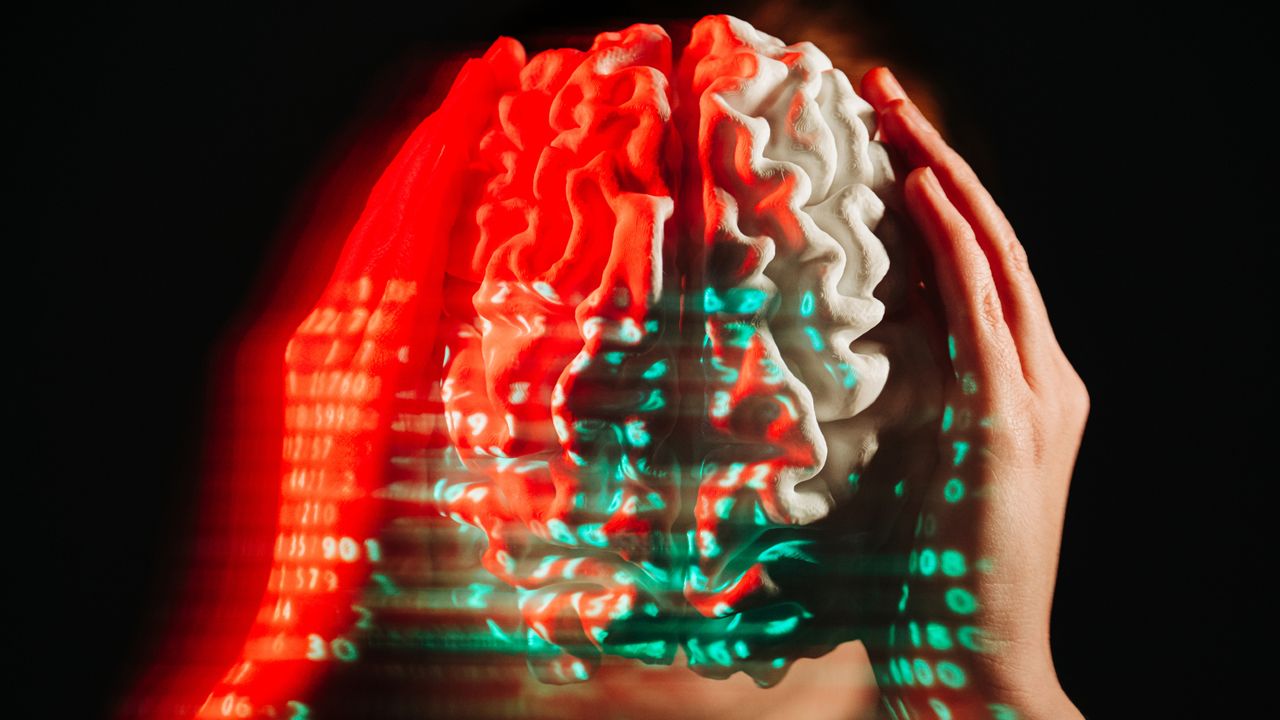
Across social media, extremes of hustle culture—“grind mode” versus a meticulously optimized routine—are prompting debate among founders and employees alike. As job listings call for 70-hour work weeks and data suggests rising burnout, some in Silicon Valley wonder if there’s a healthier path forward.
Subscribe
Analysis and Opinions
‘Grind mode’? ‘Routine maxxing’? Social media debates the ‘best’ full-on approach to work

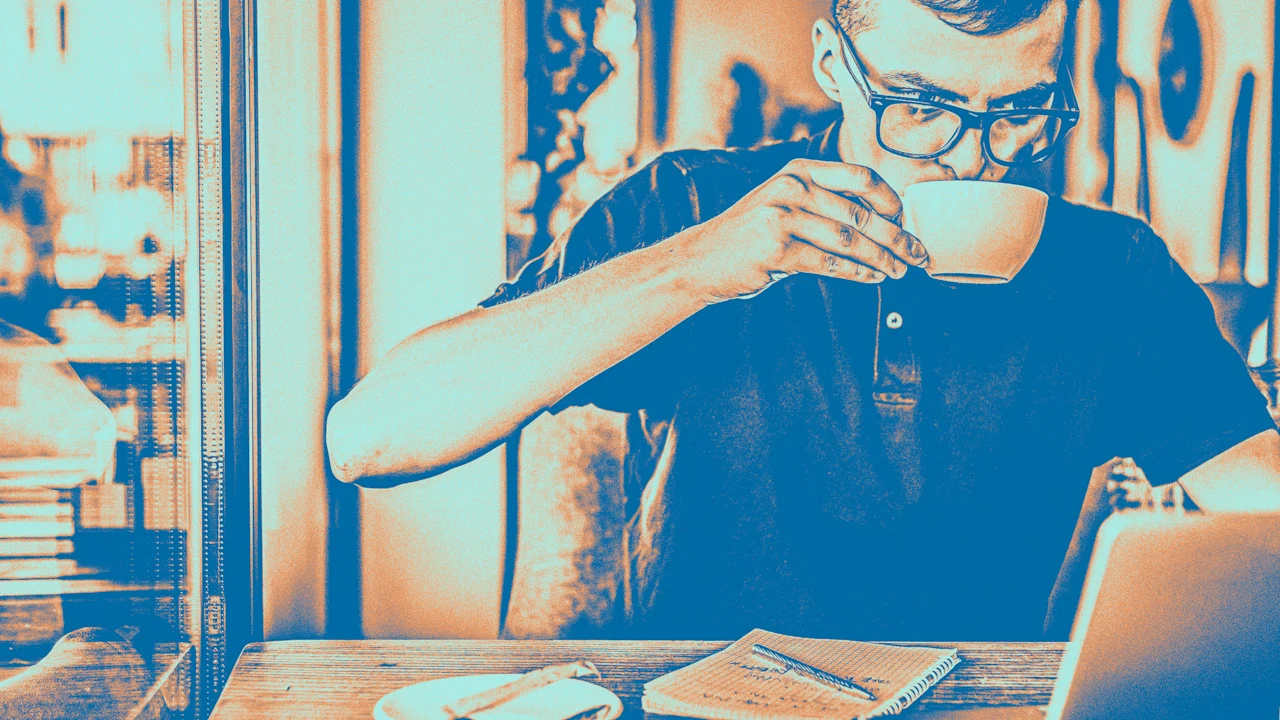
Photo by Fast Company
Key Takeaways:
- Social media platforms are fueling debate over high-octane work lifestyles.
- Some startup job listings explicitly require 70-hour work weeks.
- A 2025 report shows 69% of employees at moderate to high risk of burnout.
- Founders like Gannon Breslin advise alternating between intense “grind” and balanced routine.
- Ample calls for moderation highlight the need to “have a life” outside work.
The Social Media Spark
A late-year viral X post showcased two contrasting visions of the modern worker: One in a hoodie, armed with a Notes app and a fast-paced, tech bro lifestyle; the other in a suit, reading Cal Newport’s Deep Work. Commenters debated who “wins” in terms of success or happiness. This conversation stoked broader questions of whether relentless hustle is the only road to true achievement.
Defining ‘Pure Grind Mode’
Gannon Breslin, CEO of snowballapp.ai, captures the essence of these debates. In a recent TikTok post, he explains that sometimes you must enter what he calls “pure grind mode”: working from 9 a.m. to 9 p.m. six days per week, living off minimal sleep, and consuming whatever fuels the hustle. It’s all about hitting deadlines, no matter the personal cost. Those endorsing this approach reference icons like Elon Musk, who famously said, “Nobody ever changed the world on 40 hours a week.”
Work Listings That Spell It Out
Among startups, the expectation for intense hours is hardly hidden. Rilla, a New York-based tech company, specifies that potential applicants should be excited to work around 70 hours a week alongside “the most ambitious people in NYC.” This unabashed requirement reflects an evolving acceptance of extreme hours in certain circles, seen as a necessity for building revolutionary products.
Burnout on the Rise
Evidence suggests that such relentless hustle has consequences. A 2025 survey from Care.com indicates a stark difference between how companies perceive burnout risk—around 45%—and how employees themselves feel—69% at moderate to high risk. The pressures of constant connectivity and “sleep when you’re dead” mentalities can erode personal health and morale.
Why Balance Matters
Breslin’s strategy isn’t one-note. He describes an “oscillating pattern”: periods of intense grinding balanced by phases of “homeostasis.” In these intervals of stability, workers focus on sleep, diet, and exercise, attempting to replenish what was lost during marathon work sessions. Some believe losing themselves in the hustle is a necessary tradeoff, while others argue that sustained well-being—and the creative spark driving innovation—depends on embracing what Breslin calls that “secret third thing”: having a life outside work.