Scientists caution that heating food in plastic containers may lead to harmful chemicals leaching into meals, posing serious health risks. Experts recommend avoiding microwaving in plastic to reduce exposure to toxic substances like BPA, phthalates, and PFAs.
Subscribe
Analysis and Opinions
Plastic Waste
Safe Practices
Sustainable Living Practices
Health warning over common microwave habit that creates toxic ‘chemical soup’

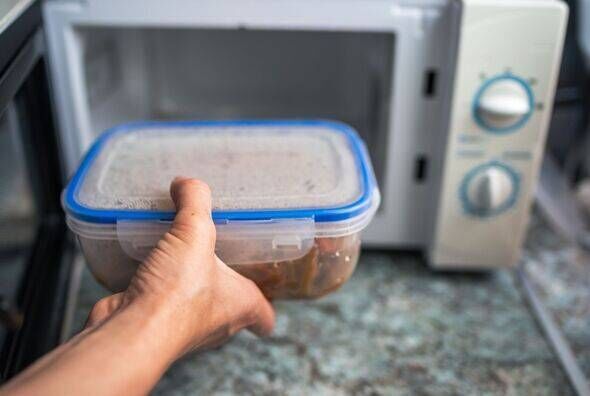
Photo by Daily Express Us
Key Takeaways:
- Scientists advise against microwaving food in plastic containers.
- Harmful chemicals can leach from plastics into food when heated.
- Chemicals like BPA, phthalates, and PFAs are linked to health issues.
- Certain foods increase the risk of chemical leaching.
- Experts recommend using alternatives to plastic for heating and storing food.
Scientists Urge End to Microwaving Food in Plastic
Scientists are urging the public to reconsider a common kitchen habit: microwaving food in plastic containers. They warn that this practice may introduce a “chemical soup” of harmful substances into meals, posing significant health risks.
The Harmful Chemicals in Plastics
When plastic containers are heated, chemicals such as Bisphenol A (BPA), phthalates, and polyfluoroalkyl substances (PFAs) can leach into food. BPA “can transfer from plastic wrappings to food and accumulate in living organisms, including humans.” This compound has the ability to mimic the hormone estrogen, potentially disrupting the body’s hormonal balance.
Phthalates are “also known to cause health issues” ranging from “premature birth to increased asthma risk and neurodevelopmental disorders,” according to reports from Popular Science. PFAs, often referred to as “forever chemicals,” are present in plastics and “have been linked with testicular cancer.”
Health Implications of Chemical Exposure
Studies have indicated potential health effects from BPA exposure, particularly “cognitive and behavioral effects…in infants and children.” The leaching of these chemicals into food raises concerns about long-term health consequences for individuals who regularly microwave food in plastic containers.
Heat and Certain Foods Accelerate Leaching
Martin Wagner, a biologist at the Norwegian University of Science and Technology, warned: “Higher temperatures facilitate the leaching of chemicals and the release of microplastics.” This means that microwaving plastic containers increases the likelihood of harmful substances entering your food.
It’s not just the heat that’s a concern. Jane Muncke, an environmental toxicologist and managing director of the non-profit Food Packaging Forum, explained that “high-fat and high-acid foods draw more chemicals out of plastic containers.” Foods like oils, vinegar, cheeses, tomato sauce, and sodas are particularly reactive and act as “drivers for migration” of chemicals from plastics into food.
Expert Recommendations
Given these risks, experts strongly advise against microwaving food in plastic. Philip Landrigan, an epidemiologist and public health physician at Boston College, succinctly stated: “Never microwave in plastic.” Similarly, Joe Braun, a professor of epidemiology at Brown University’s School of Public Health, recommended avoiding storing hot foods in plastic containers altogether.
Muncke suggests purchasing versions of high-risk foods that aren’t packaged in plastic or plastic-lined cans. This approach not only reduces exposure to harmful chemicals but also decreases the amount of single-use plastic that ends up in landfills.
Towards Safer Practices
By adopting safer food storage and heating practices, individuals can protect their health and contribute to environmental sustainability. Opting for alternatives like glass or ceramic containers for microwaving can minimize the risk of chemical exposure.
Remembering that each heading is on a separate line, followed by its paragraph, this article maintains the integrity of the original information while presenting it in a clear and engaging style suitable for TIME Magazine’s audience.