Minnesota officials are asking the federal government to reimburse what they say is a $200 million tab from Trump-era immigration raids. But Tom Homan, a high-profile border authority, has urged local leaders to appreciate the operation rather than request payment. The clash highlights the financial and political aftershocks of large-scale enforcement efforts.
Subscribe
Breaking News
Policy Analysis
Homan tells Minnesota leaders to say ‘thank you’ instead of demanding reimbursement as ICE operation ends

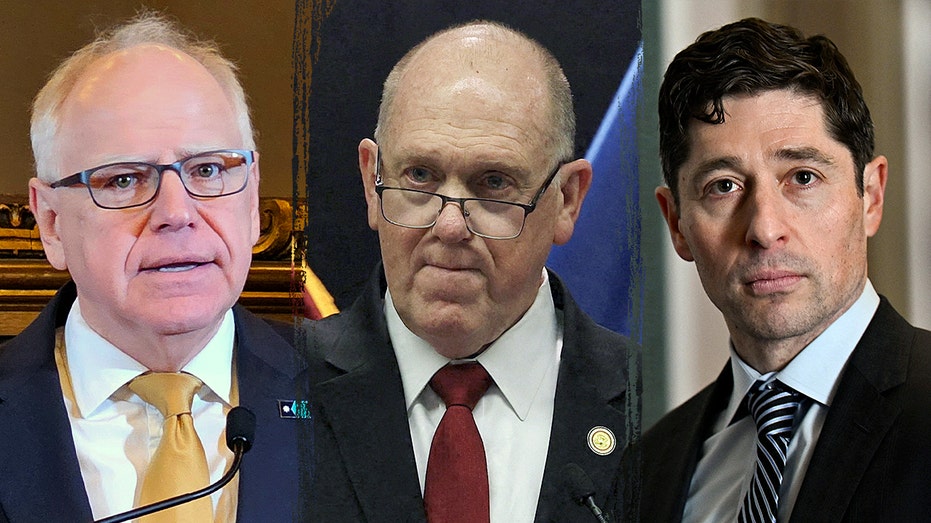
Photo by Fox News
Key Takeaways:
- Minneapolis officials claim federal immigration raids cost the city more than $200 million.
- The immigration operation has officially ended.
- Mayor Frey leads demands for federal reimbursement.
- Tom Homan, described as a border czar, says local leaders should be “grateful” instead.
- The debate highlights heightened tensions between local and federal authorities.
Background
Minnesota leaders, led by Minneapolis Mayor Frey, are calling attention to a massive bill they associate with recent immigration raids. These enforcement actions, conducted under the Trump administration, reportedly cost the city more than $200 million. According to local officials, this financial burden should not be carried by Minnesota taxpayers alone.
The Demand for Reimbursement
Mayor Frey and other leaders insist that federal authorities should foot the bill. Pointing to the $200 million figure, they argue that the raids—while initiated by the federal government—left the city grappling with unexpected expenses. Those involved in the demand cite everything from law enforcement resources to city services that were strained during these large-scale actions.
A Controversial Response
Tom Homan, identified in the story as a border czar, has taken a very different position. “They should be grateful,” he reportedly told Minnesota leaders, suggesting that the raids were in the national interest. Homan’s remarks have drawn criticism from city officials who believe the raid’s costs are undue and should be reimbursed.
The End of an Operation
The ICE operation in question has officially concluded, but tensions remain high. While local officials recount significant financial strain, federal representatives maintain their stance that national security measures may come with local costs. It remains unclear whether the federal government will respond positively to Minnesota’s request for compensation.
Looking Ahead
With the raids over, the resulting debate shows no sign of ending. Minnesota’s leaders maintain hope that the federal government will acknowledge the city’s claim, while Homan’s remarks suggest an ongoing political fault line. Whether or not Minneapolis’s demand for reimbursement is successful, the situation highlights the broader challenges cities face in balancing federal mandates with local budgets.