West Virginia lawmakers are pressing forward with a 5% tax cut for residents, rejecting most proposed amendments in a nearly two-hour debate. Meanwhile, the Senate has approved a standalone pay raise bill, setting the stage for a flurry of final votes before the legislative session ends at midnight Saturday.
Subscribe
Breaking News
Policy Analysis
House passes Morrisey tax cut, Senate approves standalone pay raise bill

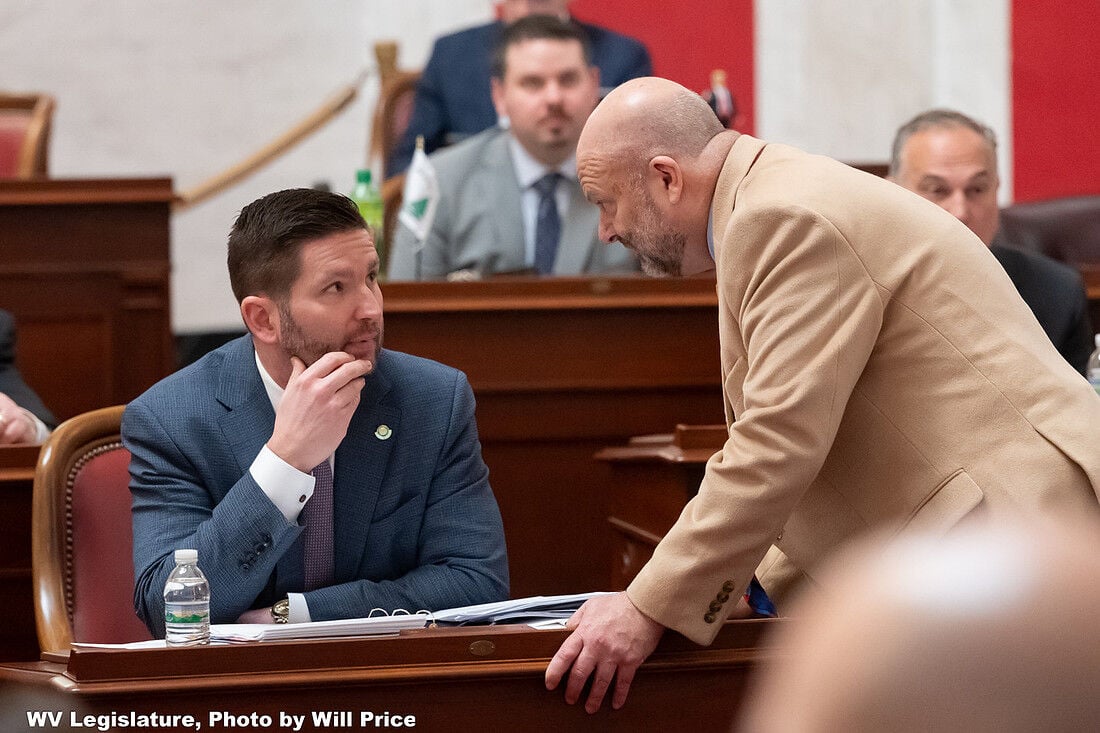
Photo by Wv News
Key Takeaways:
- The House approved a 5% tax cut for West Virginians.
- Almost all amendments to the tax cut bill were rejected.
- The legislative session is set to end at midnight on Saturday.
- The Senate moved forward with a stand-alone pay raise.
- Debate in the House spanned nearly two hours.
Legislative Session Nears Its End
West Virginia’s 2026 legislative session is barreling toward its midnight Saturday deadline. As lawmakers race against the clock, they are zeroing in on key issues that will affect both taxpayers and public employees across the state.
House Advances 5% Tax Cut
On Friday, the House of Delegates debated a measure backed by Attorney General Patrick Morrisey proposing a 5% tax cut for West Virginians. In nearly two hours of floor discussion, representatives considered numerous amendments designed to refine or expand the tax relief. However, all but one amendment were ultimately voted down, reflecting strong support for the legislation in its core form.
Senate Passes Standalone Pay Raise
Across the Capitol, the Senate approved a standalone pay raise bill in a separate effort to address the state’s compensation concerns. Legislators in the upper chamber signaled that ensuring competitive wages for state employees is a priority, even as they move on parallel tracks to adjust tax policies.
Looking Ahead
As the session comes to a close, these measures await final steps before landing on the governor’s desk. By pushing through both a tax cut and a distinct pay raise package, lawmakers aim to frame the state’s economic future on two critical fronts: lowering the tax burden for residents and investing in public-sector workers.
While much can change in the last hours, the momentum behind these two initiatives reflects a shared urgency to finalize major objectives before lawmakers adjourn at midnight on Saturday.