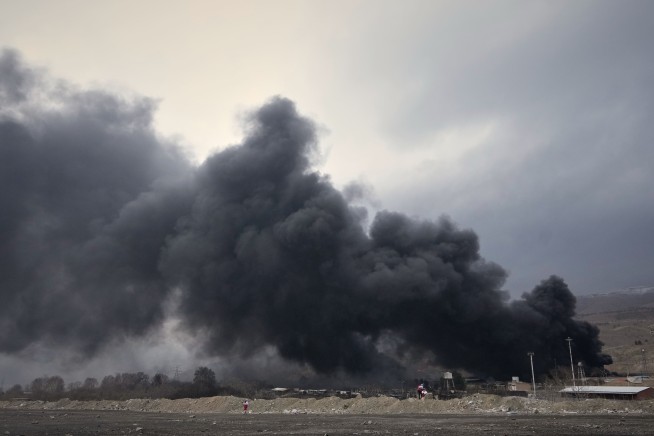
Artificial intelligence is changing the face of modern warfare in Iran. Military versions of software, originally developed for business and daily life, are driving faster intelligence, more precise targeting, and rapid damage assessments.
Subscribe
Global Conflicts
Middle East
Modern Weaponry
How AI Is Turbocharging the War in Iran

Key Takeaways:
- AI-Driven Warfare: Intelligence and planning are accelerating.
- Targeting Technology: Precision on the battlefield is increasing.
- Damage Assessments: Post-attack analysis is faster than ever.
- Commercial Origins: Technology once used for business is now turned to combat.
- Future Conflicts: These advancements may foreshadow global military trends.
AI’s Military Shift
Artificial intelligence has found its way into nearly every aspect of modern life, from customer service to busy manufacturing floors. In Iran, however, these technologies have taken on a new form—military versions of familiar software. According to reporting originally published by The Wall Street Journal, the rapid shift of AI from commercial to war-oriented usage has transformed how intelligence is gathered and acted upon in the region.
Intelligence & Targeting
One of AI’s most significant impacts lies in speeding up intelligence work. Commanders now have access to software that can parse vast amounts of data—the kind once scrutinized by business analysts—to identify threats or targets with remarkable accuracy. “Intelligence, targeting and damage assessments are accelerating,” the WSJ article notes. This improvement in speed allows military planners to refine strategies more effectively, sometimes within hours or even minutes.
Damage Assessments
After any operation, the ability to immediately evaluate damage is essential. Advanced AI tools can sift through satellite imagery and on-the-ground reports to generate quick, comprehensive damage assessments. This leads to faster follow-up decisions, saving critical time in a military landscape where quick pivots can determine success or failure.
Looking Ahead
As the conflict in Iran demonstrates, investing in AI-driven solutions could redefine how wars are fought worldwide. Software innovations once designed for commercial use are now regularly applied to gather intelligence, guide precision strikes, and assess their outcomes. Observers suggest this shift might foreshadow what future conflicts could look like if nations continue to integrate cutting-edge AI into their arsenals.