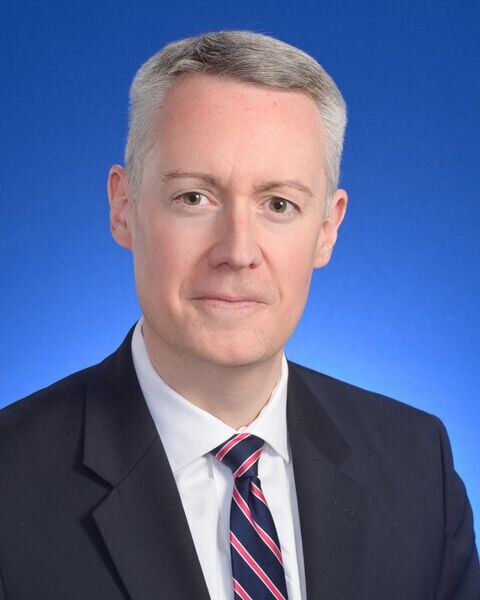
Boston University researcher Monica Wang’s new book, The Collective Cure, offers a fresh perspective on public health challenges in America. She argues that collective action—beginning in our neighborhoods—can drive meaningful, lasting improvements.
Subscribe
Analysis and Opinions
Healthcare Reforms
How Can We Improve Public Health in America?

Key Takeaways:
- Monica Wang’s debut book, The Collective Cure, focuses on community-driven public health strategies
- Improving health outcomes starts at the local level and involves every individual
- The research-based approach stems from Wang’s experience at Boston University’s School of Public Health
- “How Can We Improve Public Health in America?” remains a pressing national question
- The book highlights how collective effort can address systemic health issues
Introduction
Public health is often discussed as a grand, nationwide endeavor, but researcher Monica Wang, from Boston University’s School of Public Health, invites us to start closer to home. In her debut book, The Collective Cure, she explores how neighbors, local organizations, and individual advocates can embody the change they wish to see in America’s health landscape.
Exploring “The Collective Cure”
Wang’s book, aptly titled The Collective Cure, positions community engagement at the heart of better health outcomes. While large-scale policies and institutional efforts remain prominent, Wang suggests that real progress demands the active participation of everyday citizens. This approach aims to bridge gaps often overlooked by top-down methods and empower local initiatives.
The Power of Community
Perhaps the strongest theme of Wang’s work is that collaboration among local groups—be they grassroots organizations, schools, or health clubs—can provide the foundation for building healthier neighborhoods. By pooling resources and sharing knowledge, communities can tackle specific issues such as access to nutritious food, educational outreach, and preventive medicine. Wang believes that these small-scale efforts, when replicated widely, can have a transformative effect on the nation’s health.
Looking Ahead
Wang’s research also underscores the need for partnerships between academic institutions, local governments, and private stakeholders. She argues that cooperation across these levels can help sustain long-term improvements. From influencing policy to changing cultural norms, The Collective Cure urges all sectors to recognize their power—and responsibility—in fostering healthier communities.
A Collective Call to Action
In the end, the article and Wang’s new book converge on a central message: we each have a role to play in meeting the question, “How Can We Improve Public Health in America?” Whether it’s organizing a local health fair or simply sharing reliable health resources with neighbors, every act contributes to a larger movement toward a healthier society.