HyTRec re-engineers recommender systems to handle 10,000 user interactions without straining GPUs. By splitting long user histories and applying dual attention, it targets both stable tastes and immediate interests, achieving fast and accurate results at scale.
Subscribe
Industry News
How to Recommend at 10,000 Clicks Without Melting GPUs

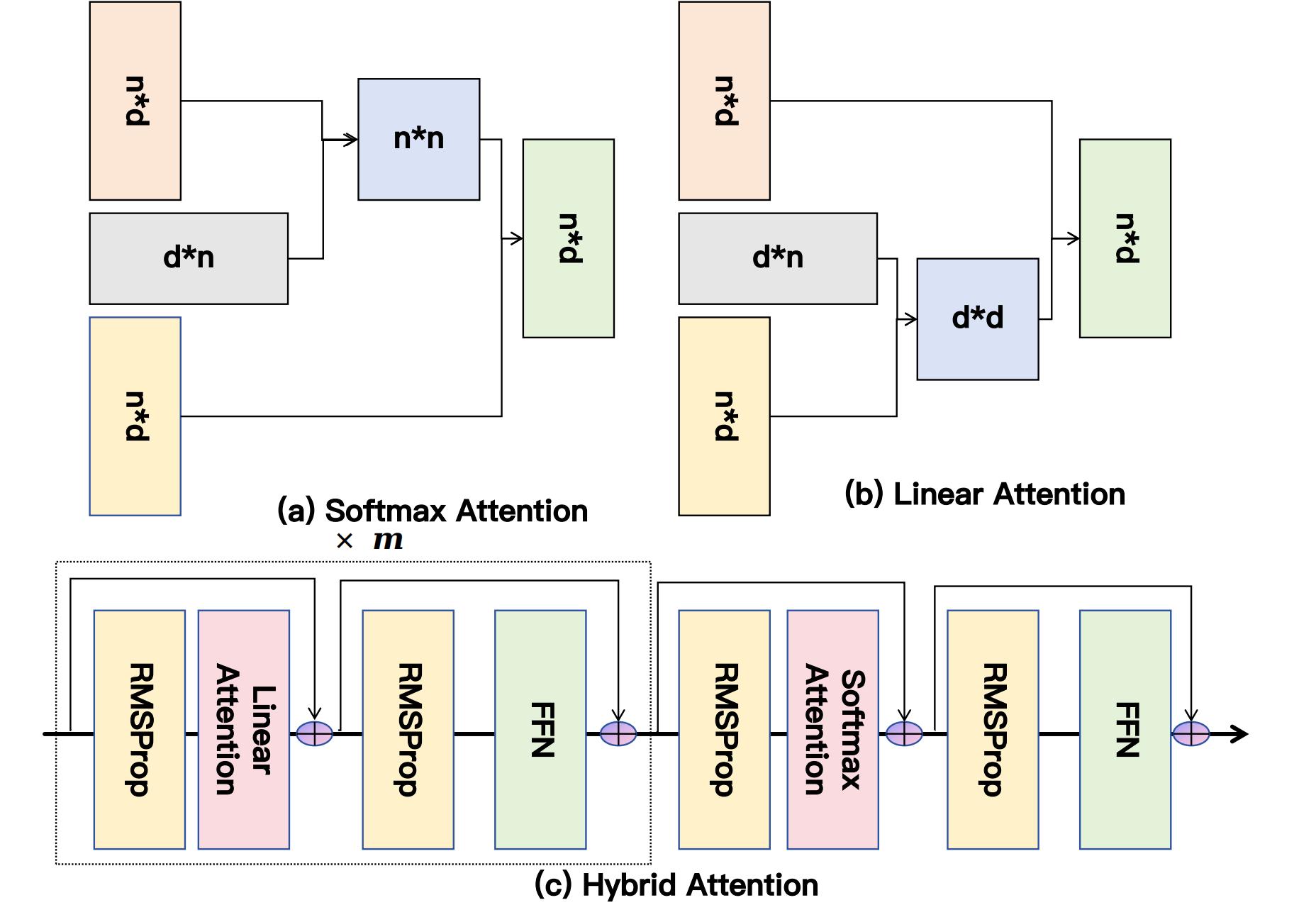
Photo by Hackernoon
Key Takeaways:
- HyTRec splits long histories to handle large-scale recommender needs
- Linear attention captures stable, long-term user preferences
- Softmax attention aligns with recent or immediate user interests
- The system balances speed with recommendation accuracy
- Published by Hackernoon on 2026-03-07, demonstrating an innovative approach to heavy workloads
The Emergence of a High-Volume Recommender
HyTRec introduces a groundbreaking method for handling up to 10,000 clicks from users without placing an unsustainable strain on graphics processing units. In a world where online platforms process millions of interactions every day, this approach seeks to make recommendations swift, precise, and resource-efficient.
Two Forms of Attention
Central to HyTRec’s effectiveness is its dual attentive model. First, linear attention processes and preserves stable user tastes, ensuring that enduring preferences remain at the core of recommendations. Second, softmax attention highlights users’ most recent behaviors, capturing immediate intent for up-to-date suggestions.
Speed Meets Accuracy
HyTRec’s design is driven by the need to optimize both throughput and performance—often referred to as the speed-accuracy tradeoff. By fine-tuning how data flows and is processed, the system mitigates the risk of GPU overload. The developers emphasize how balancing these factors is essential for real-world applications where users expect quick and personalized feedback.
Temporal Preference Modeling
As user tastes evolve, recommender systems must adapt in real time. The HyTRec framework incorporates methods to track changes over time, meaning it can anticipate shifts in interest. This temporal-aware design prevents the system from growing stale and ensures that even at high interaction volumes, suggestions remain relevant.
Implications for the Future
With big data constantly growing, the capacity to serve 10,000 interactions seamlessly could shape the next generation of AI-driven personalization. By splitting long histories and merging linear and softmax attentions, HyTRec demonstrates how large-scale intelligent systems might be built—enabling people to discover content, products, or services tailored precisely to their preferences.