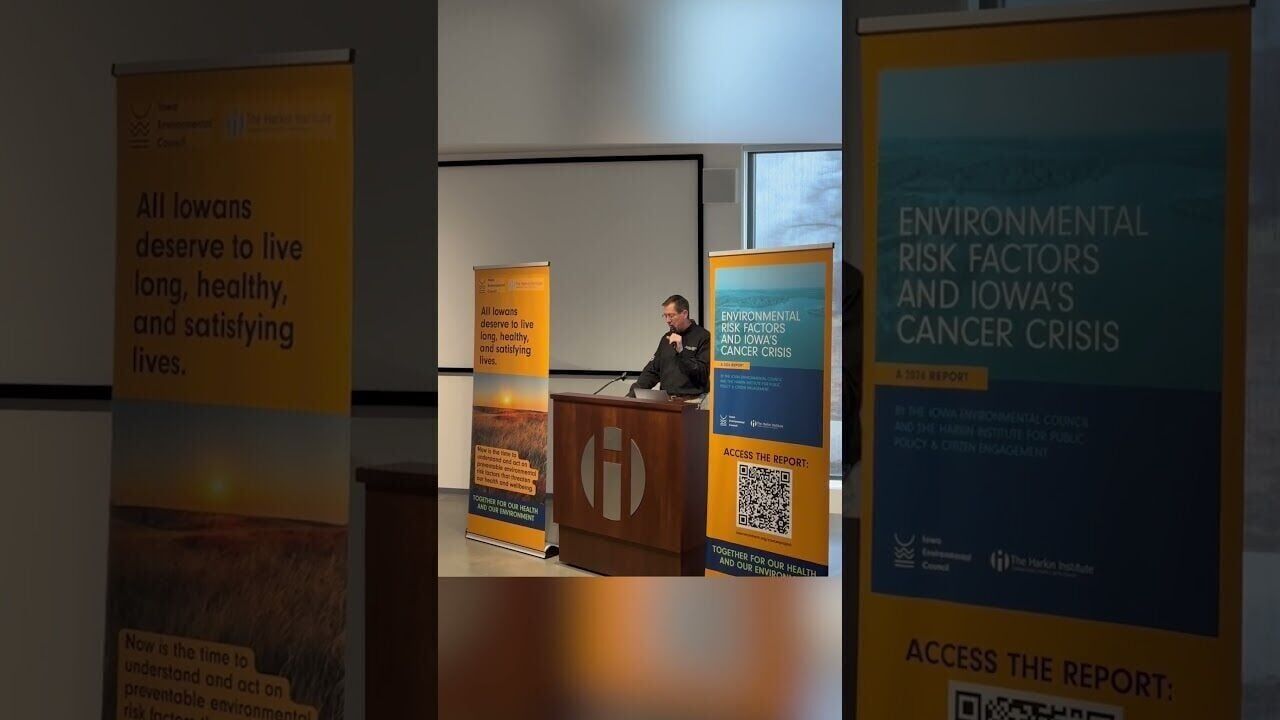
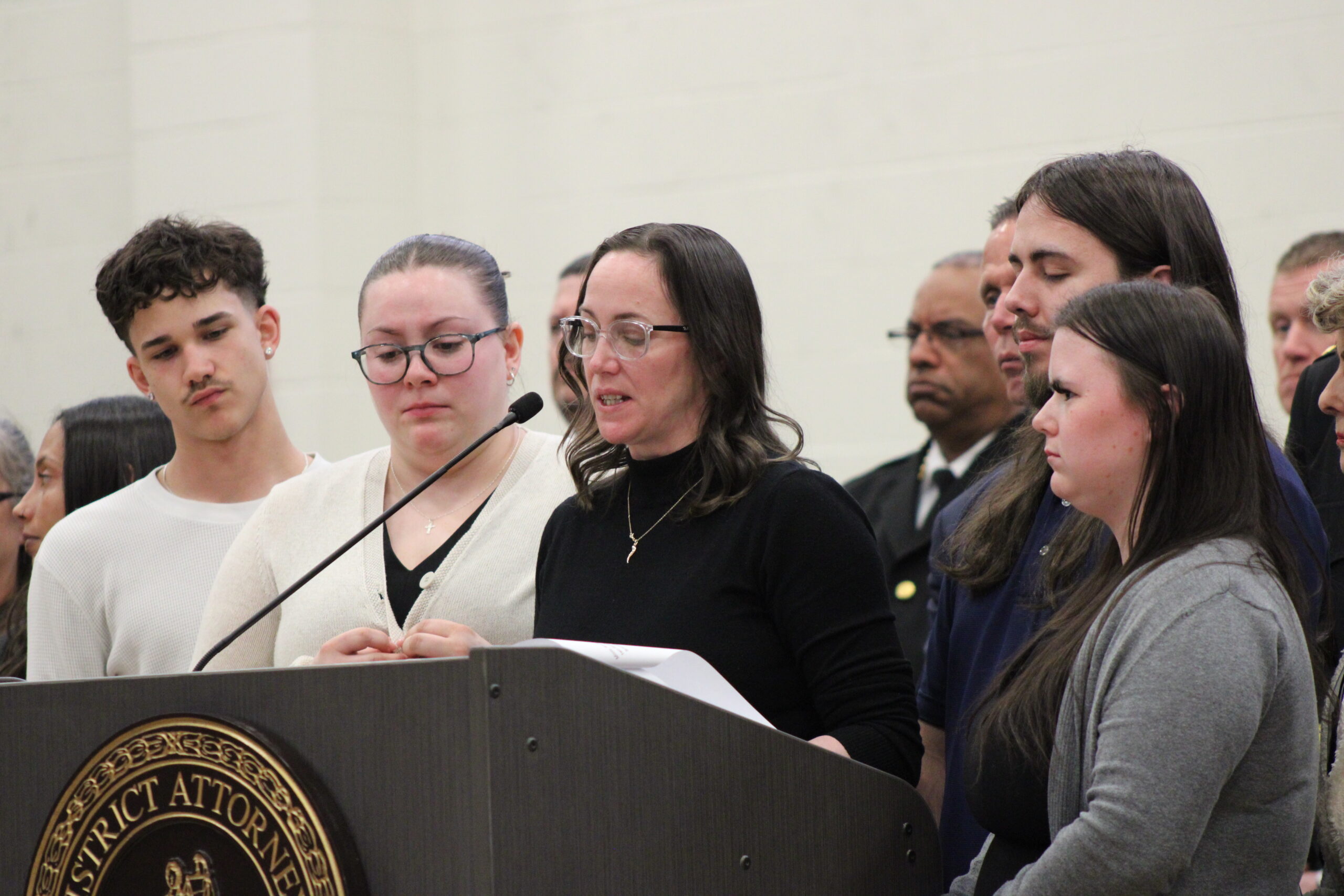
Lawmakers in Iowa are renewing their focus on cancer legislation after only one of five proposed bills passed in 2025. With midterm politics and federal funding uncertainties looming, advocates hope to see more comprehensive action this year.
Subscribe
Healthcare Reforms
Policy Analysis
How will the Iowa Legislature address cancer in 2026?

Photo by Sioux City Journal News
Key Takeaways:
- The American Cancer Society supported five cancer-related bills in 2025.
- Only one of those measures passed.
- Many of the failed proposals are expected to return in 2026.
- Midterm politics could alter lawmakers’ priorities.
- Federal funding remains a pivotal factor in shaping final decisions.
Introduction to Iowa’s Cancer Legislation in 2026
The Iowa Legislature is preparing to address the unfinished business of cancer prevention and treatment in the new session. Last year, lawmakers introduced five bills backed by the American Cancer Society, designed to strengthen the state’s cancer-fighting strategy. However, only one of those measures progressed into law, leaving advocates determined to push for further legislative breakthroughs.
Recounting the 2025 Efforts
In 2025, the American Cancer Society championed a set of proposals aimed at tightening tobacco regulations, expanding cancer screenings, and increasing support for oncology services. According to lawmakers and health advocates, these initiatives were meant to close critical gaps in Iowa’s public health approach. Despite the widespread backing, four of the five bills ultimately failed to gain enough legislative momentum.
Why 2026 Matters
This year, lawmakers and advocacy groups expect many of these fallen measures to resurface for debate. They believe the new session offers another opportunity to address the state’s longstanding challenges related to smoking cessation, e-cigarette use, and cancer care. “We are determined to make progress,” say supporters of the previous proposals, pointing to the need for early detection programs and broader access to treatment.
The Role of Midterm Politics and Funding
Further complicating the path toward passing new cancer legislation is the influence of midterm politics. As elected officials focus on maintaining voter support, controversial or costly commitments may take a back seat. Additionally, uncertainty surrounding federal funding looms large. If federal grants or allocations decrease, it could halt progress on the very programs aimed at helping Iowans battle cancer.
Future Perspectives
Looking ahead, supporters of new cancer legislation remain cautiously optimistic. They argue that reducing Iowa’s cancer burden must be prioritized, pointing to the public health impact of disease prevention programs. Lawmakers who once opposed or hesitated on certain measures in 2025 might reconsider their positions, especially as community groups and health organizations intensify their advocacy.
Despite the hurdles, there is a sense of urgency driving this renewed conversation in the Iowa Legislature. Whether or not state representatives can agree on how to best tackle cancer prevention and treatment will set a crucial precedent for public health policy—and the well-being of Iowa’s citizens—in 2026 and the years to come.