A teacher at a Muslim school in Texas urges lawmakers to ensure that any new voucher or education freedom initiative serves all families. Though Texas promotes school choice, this educator believes that genuine educational freedom must include students of every religious background.
Subscribe
Analysis and Opinions
Policy Analysis
I teach at a Muslim school. Our students deserve access to vouchers

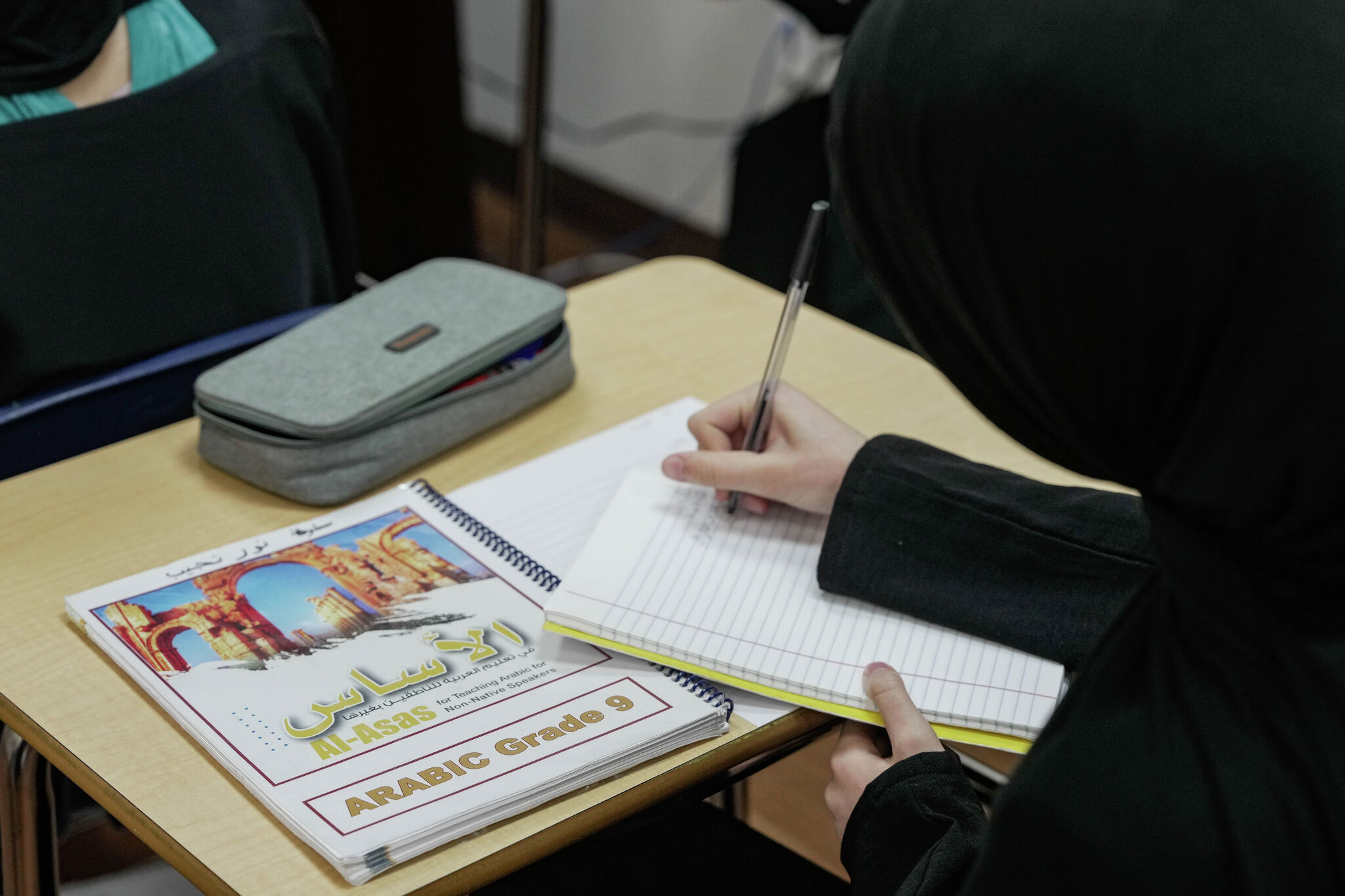
Photo by Austin American-statesman
Key Takeaways:
- A teacher from a Muslim school advocates for broader voucher access in Texas.
- The piece underscores the need for inclusivity, referencing Muslim, Christian, and Jewish communities.
- It references proposed policies like “bill 2” and “Texas Education Freedom Accounts.”
- The central call is for lawmakers to make school choice available to all religious groups.
- The editorial stresses that “If Texas truly believes in educational freedom, then that freedom must apply equally to all students.”
The Context of Educational Freedom
Texas has been exploring new school voucher programs, sometimes referred to as education freedom accounts. These proposals focus on making it easier for parents to receive state funding to send their children to schools of their choice. The debate centers on whether voucher programs and related legislation—such as “bill 2”—should cover all educational institutions statewide.
A Teacher’s Perspective
Pete Price, a teacher at a Muslim school, presents a firsthand account of what school vouchers could mean for families often overlooked in mainstream policy conversations. “If Texas truly believes in educational freedom, then that freedom must apply equally to all students,” Price writes, emphasizing that religious minorities deserve the same opportunities as everyone else.
Why Inclusivity Matters
Discussions around vouchers typically include financial considerations and curriculum standards, but Price raises another concern: ensuring that schools from all faith traditions—Muslim, Christian, and Jewish among others—are fairly included. For parents and students who value an education grounded in their religious identity, a voucher system that excludes certain groups puts them at a systemic disadvantage.
Vouchers and the Broader Debate
Policy ideas such as the “Texas Education Freedom Accounts” have spurred debate among lawmakers and religious communities alike. By offering state funds to families who opt for private or faith-based schools, these accounts can broaden educational opportunities. Yet critics argue that if the details of legislation are not carefully crafted, some faith-based schools may not qualify or be deterred by regulatory requirements.
A Call to Lawmakers
In urging legislators to consider the diverse fabric of Texas families, Price calls attention to the fundamental principle behind school choice: giving every student the chance to succeed. For that principle to be fulfilled, proposed programs must accommodate all religious schools equally. As conversations about vouchers progress, leaders are being asked to ensure that “educational freedom” is more than a slogan and truly embraces the wide-ranging beliefs of Texas residents.