Illinois faces a new legal challenge that questions whether a decades-old law limiting the use of political party names undermines free expression. The Foundation for Individual Rights and Expression seeks to overturn the 40-year-old statute, potentially reshaping how organizations may reference political parties.
Subscribe
Analysis and Opinions
Policy Analysis
Illinois sued over restrictions on use of party names

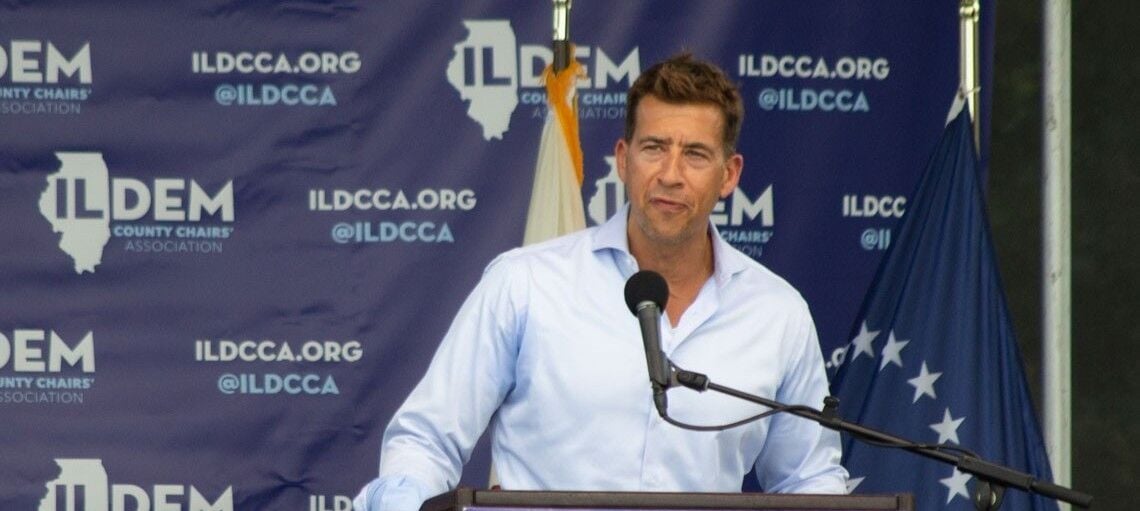
Photo by Pantagraph
Key Takeaways:
- A 40-year-old Illinois law bans the use of a political party’s name without permission.
- The Foundation for Individual Rights and Expression has filed a lawsuit to overturn the statute.
- The challenge raises questions about free speech and legal restrictions on naming.
- The lawsuit focuses on potential First Amendment violations.
- The outcome could have broader implications for political discourse in the state.
Context Behind the Controversy
Illinois has enforced a law for four decades that requires organizations to obtain explicit permission before using the name of a political party. This rule, passed 40 years ago, was designed to prevent confusion or misuse of party affiliations. However, critics argue that the measure unnecessarily restricts free speech.
The Lawsuit and Its Key Players
The Foundation for Individual Rights and Expression, often abbreviated as FIRE, has stepped forward to challenge the law in court. In their view, the rule violates First Amendment protections, inhibiting organizations from discussing political issues without potentially running afoul of the statutory requirement. According to the lawsuit, this barrier can stifle free expression.
Possible Ramifications
If the law is overturned, it could reshape how political discourse unfolds in Illinois. Organizations across the state might gain more flexibility when naming platforms or initiatives. On the other hand, if the courts uphold the statute, the existing permission-based structure would remain intact, setting a precedent for maintaining tighter control over party-name usage.
Historical Perspective
Though details regarding the law’s origin remain limited, it has stood for decades as part of Illinois’ political framework. Advocates for the measure have historically viewed it as a safeguard against confusion and potential misrepresentation. Opponents, however, question whether the law’s protective intent has turned into a curb on legitimate expression.
Looking Ahead
As the court proceeds with hearing the arguments, both supporters and critics of the law await a definitive ruling on whether the statute still has a place in modern political dialogue. While the future remains uncertain, the lawsuit underscores an ongoing debate about the proper balance between restrictive legislation and the freedoms guaranteed by the First Amendment.