Many immigrants view the United States military as a gateway to citizenship, yet the road from soldier to citizen is rarely smooth. Despite wearing the uniform, foreign-born troops often encounter hurdles that can prolong or complicate their naturalization journey.
Subscribe
Analysis and Opinions
Policy Analysis
In the American Infantry, Service Doesn’t Guarantee Citizenship

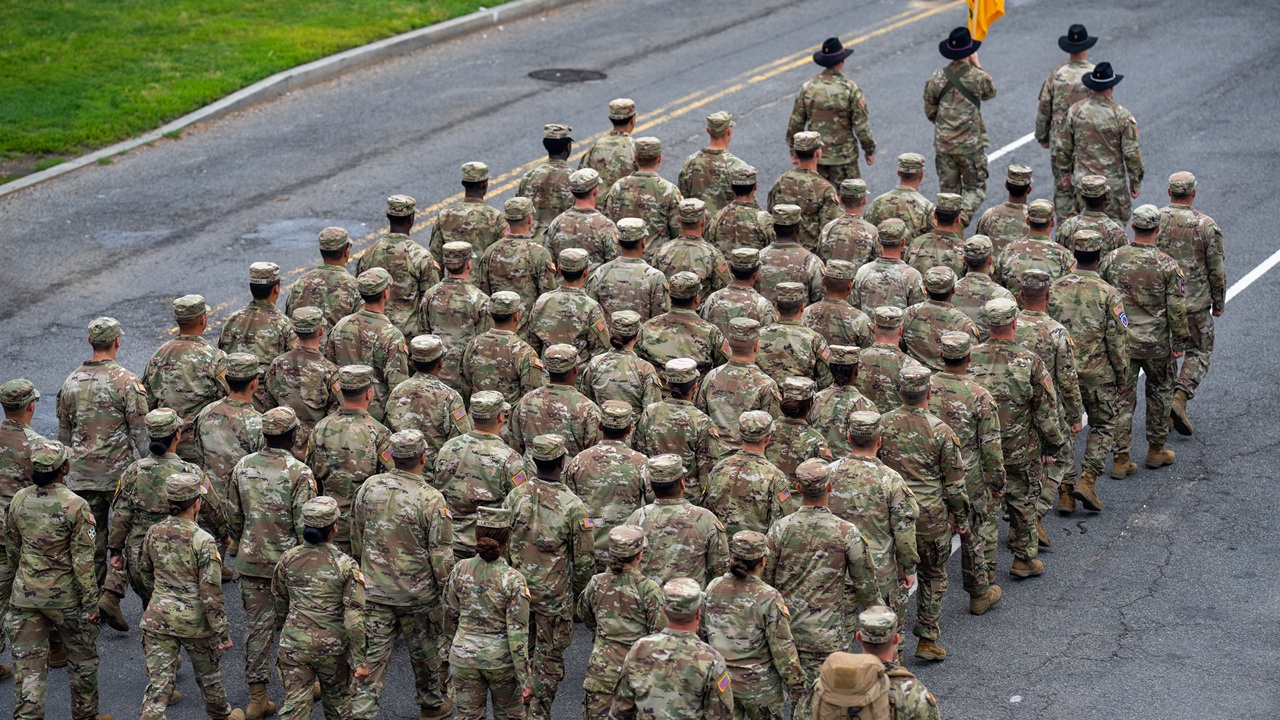
Photo by The National Interest
Key Takeaways:
- Many immigrants see military service as a path to U.S. citizenship.
- Gaining citizenship is not always a straightforward process.
- The U.S. military does accept foreign-born volunteers.
- Even uniformed service does not guarantee quick naturalization.
- The story was reported by Peter Suciu in The National Interest.
The Hope of Military Service
Many immigrants to the United States see joining the armed forces, including the infantry, as a stepping stone toward eventual citizenship. This belief persists partly because the uniform symbolizes commitment and loyalty to the nation.
The Reality Check
Yet, signing up for military duty is not the same as being guaranteed a passport. As the original story notes, “the transition is rarely easy or straightforward,” highlighting that complex immigration laws and procedures can slow or even halt progress toward citizenship.
Wearing the Uniform, Facing Uncertainty
In the American infantry, serving overseas or carrying out critical defense responsibilities does not necessarily result in a seamless pathway to legal residency or citizenship. While many recruits remain hopeful, some discover that their dreams hinge on additional documentation and unclear legal frameworks.
A System Under Scrutiny
Multiple agencies, such as the Department of Defense, play roles in overseeing and understanding immigrant enlistment. Despite the military’s receptiveness to foreign-born recruits, the broader system can prove frustrating, particularly when it comes to clarifying next steps in the naturalization process.
A Path Still Worth Pursuing?
Despite the bureaucracy, many immigrants continue to volunteer for U.S. Marine Corps and other branches. For them, the chance to serve—and potentially secure a more promising future—is worth the effort. While service alone doesn’t guarantee citizenship, the ambition to build a life in the United States remains a powerful motivator for those who don the uniform.