In a move to redefine executive authority, the Iowa House passed legislation preventing the governor from closing churches or businesses and barring future vaccine mandates. Lawmakers view this as an important adjustment to how emergency powers are executed, ensuring certain decisions remain subject to legislative approval.
Subscribe
Breaking News
Policy Analysis
Iowa House lawmakers vote to curb governor’s emergency powers

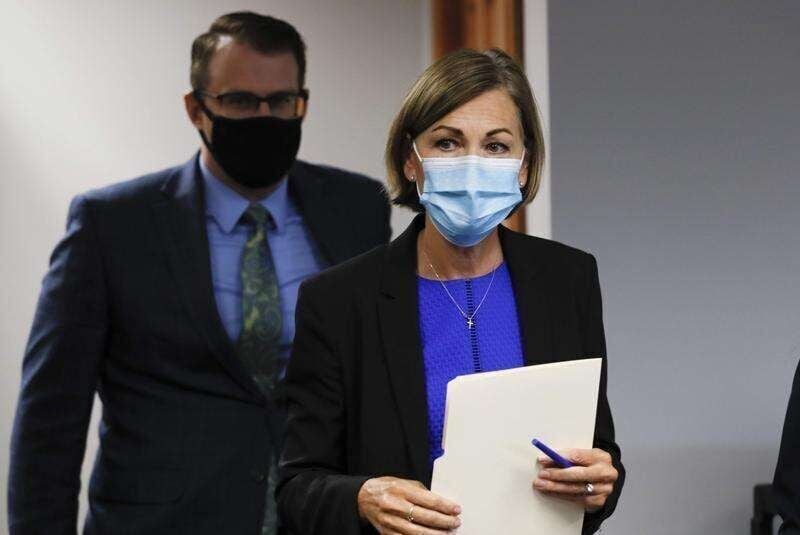
Photo by Nonpareilonline
Key Takeaways:
- The Iowa House approved legislation restricting the governor’s state emergency powers.
- Churches cannot be mandated to close under the new measure.
- Businesses are protected from forced shutdowns.
- Vaccine mandates are barred by this bill.
- The legislative-executive balance is shifted by limiting the governor’s unilateral decisions.
The Vote in the Iowa House
The Iowa House recently passed a bill explicitly limiting the governor’s emergency powers. This measure aims to establish clearer boundaries on how state leaders can respond to crises, particularly when it comes to closing churches or businesses.
Impact on Churches and Businesses
Under the newly approved legislation, churches are considered off-limits for any mandated closure that does not have legislative support. Likewise, business owners can operate with greater certainty, knowing that statewide executive shutdown orders will no longer be permissible without additional checks.
Restricting Vaccine Mandates
One of the bill’s notable provisions is the prohibition of vaccine mandates. Although the impetus behind this restriction is not detailed in the bill text presented, the Iowa House’s move signals a broader legislative effort to oversee public health directives.
Shifting Balance of Power
By reducing the governor’s unilateral authority, the Iowa House bill underscores a growing dynamic in which legislators seek more control over emergency declarations and directives. While Kim Reynolds is referenced among the bill’s topics, no direct statements from her were provided in the initial coverage.
This development marks a significant moment in how state government handles emergency protocols, indicating a legislative desire for shared responsibility and oversight during crises.