The Iowa Supreme Court has overturned sanctions that were imposed by a lower court on attorneys representing petitioners in a Fremont County wind energy lawsuit. The decision highlights the high court’s role in ensuring fair legal proceedings in renewable energy-related cases.
Subscribe
Breaking News
Environmental Laws
Iowa Supreme Court reverses sanctions issued against petitioner’s counsel in Fremont County wind energy lawsuit

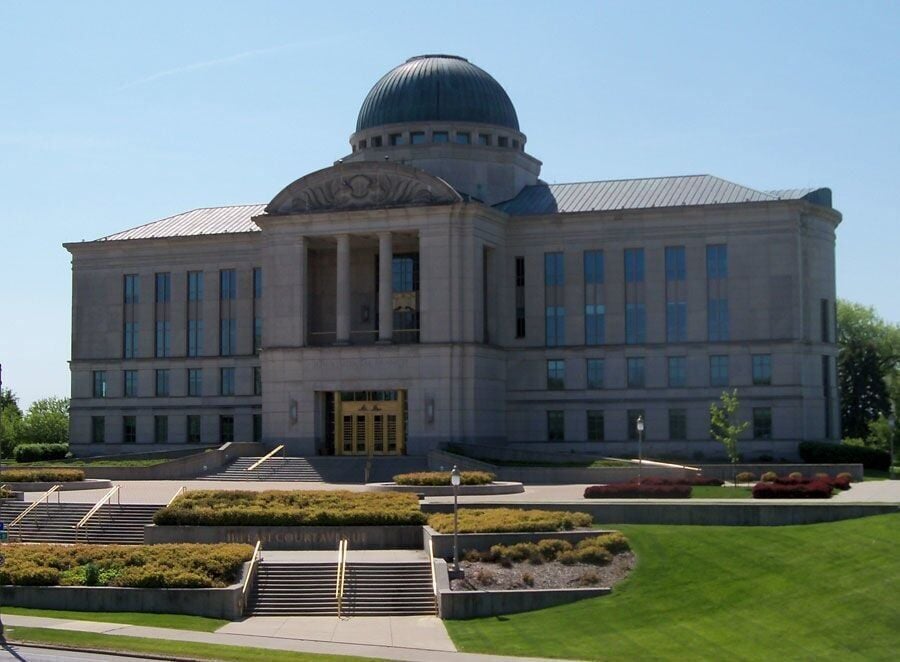
Photo by Communitynewspapergroup
Key Takeaways:
- Iowa Supreme Court removed sanctions against petitioners’ counsel
- The case involves wind energy in Fremont County
- A lower court originally sanctioned the petitioners’ attorneys
- The high court’s ruling underscores the complexities of renewable energy litigation
- Publication date: November 25, 2025
Context of the Lawsuit
The lawsuit in question centers on a wind energy project in Fremont County, Iowa. Petitioners challenged aspects of this development in court, raising various legal questions related to renewable energy projects.
Lower Court’s Sanctions
A lower court initially imposed sanctions on the attorneys representing the petitioners. These sanctions typically serve as a disciplinary measure when a court deems legal counsel’s conduct improper or in violation of court procedures. However, exact details of the alleged impropriety are not publicly available in the original report.
The Supreme Court’s Decision
The Iowa Supreme Court reversed the lower court’s decision, effectively removing the sanctions against the petitioners’ counsel. While the high court’s opinion details the reasoning for this reversal, the published account simply notes that the justices did not find sufficient grounds to uphold the lower court’s sanctions.
Implications for Wind Energy Litigation
Renewable energy projects often face legal hurdles before proceeding. With the Iowa Supreme Court stepping in and reversing sanctions against the petitioners’ attorneys, legal observers may see this as a sign that higher courts are taking a measured view of disciplinary actions in complex energy cases. Although the specific ramifications remain to be seen, this ruling offers guidance on how courts might handle future disputes connected to wind energy in the state.