For six decades, the Freedom of Information Act has given Americans a powerful tool for civic engagement. But as democracy evolves, many question whether FOIA still truly delivers on its promise. This article explores the Act’s role, its challenges, and its powerful legacy in revealing government operations.
Subscribe
Analysis and Opinions
Policy Analysis
Is the Freedom of Information Act delivering on its promise?

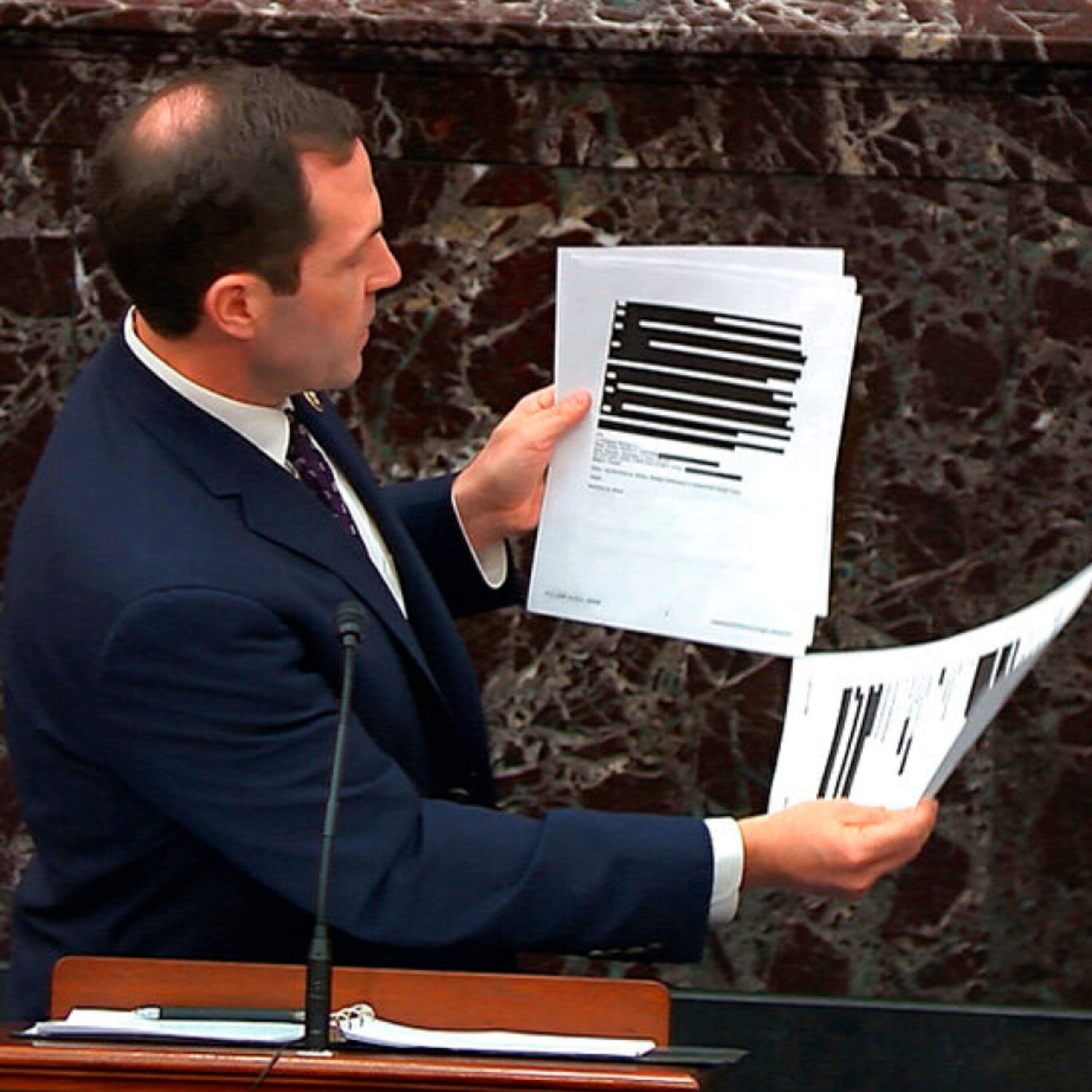
Photo by Wbur
Key Takeaways:
- FOIA has shaped government transparency for 60 years
- The Act is founded on the principle of a government “by the people and for the people”
- Ongoing challenges affect FOIA’s ability to ensure full transparency
- Citizens rely on FOIA to stay informed about official operations
- Whether FOIA is still fulfilling its original promise remains a pressing question
The Birth of a Transparency Tool
Enacted 60 years ago, the Freedom of Information Act (FOIA) was designed to bolster democracy by giving the public direct access to government records. “For a democracy to be by the people and for the people, what do the people need to know?” That guiding question led to legislation meant to ensure openness, accountability, and informed citizen participation.
FOIA’s Founding Mission
FOIA’s fundamental purpose is to empower ordinary Americans to request information about government activities. It has often been cited as a critical factor in uncovering issues ranging from corruption to inefficiency. Over the decades, journalists and activists have used the Act to shed light on government decisions that might otherwise have remained in the dark.
What Sixty Years Have Revealed
In those six decades, FOIA has showcased the power of informed citizenship. The Act has been central to answering how public bodies operate, holding them accountable, and revealing essential truths that shape policies and public discourse. Its contributions to deeper scrutiny of governmental affairs reinforce the link between transparency and the protection of democratic principles.
Navigating Modern Challenges
Although born in a time when government records were mostly on paper, FOIA now encounters new issues stemming from digital data management and classification protocols. Requests can face slow response times or heavy redactions—often attributed to administrative backlogs and evolving national security concerns. These ongoing hurdles spark debate over whether FOIA is “delivering on its promise.”
Why It Still Matters
Despite these obstacles, FOIA remains integral to how Americans engage in democracy. By granting access to information that shapes legislation and daily governance, it fosters civic responsibility. The question today is not only how FOIA has performed in the past but also whether it will continue to serve as a reliable beacon of transparency in an ever-changing political landscape.
Looking Forward
At its heart, FOIA represents the belief that effective governance requires an informed citizenry. For many observers, the Act has proven its worth by guiding public understanding and accountability. Yet the debate continues: Is the Freedom of Information Act delivering on its promise? As new obstacles arise, defenders of open government see FOIA’s ongoing vigilance as essential to preserving the ideals of democracy.