Facing a significant reduction in staff due to budget cuts, the West Central Montana Avalanche Center is turning to the public for critical observations to help monitor avalanche dangers across western Montana’s vast backcountry. As more people venture into the winter wilderness, the need for community involvement in avalanche safety has never been greater.
Subscribe
Adventure Tourism
Breaking News
Policy Analysis
Safe Practices
Its operations limited, avalanche center urges public observations

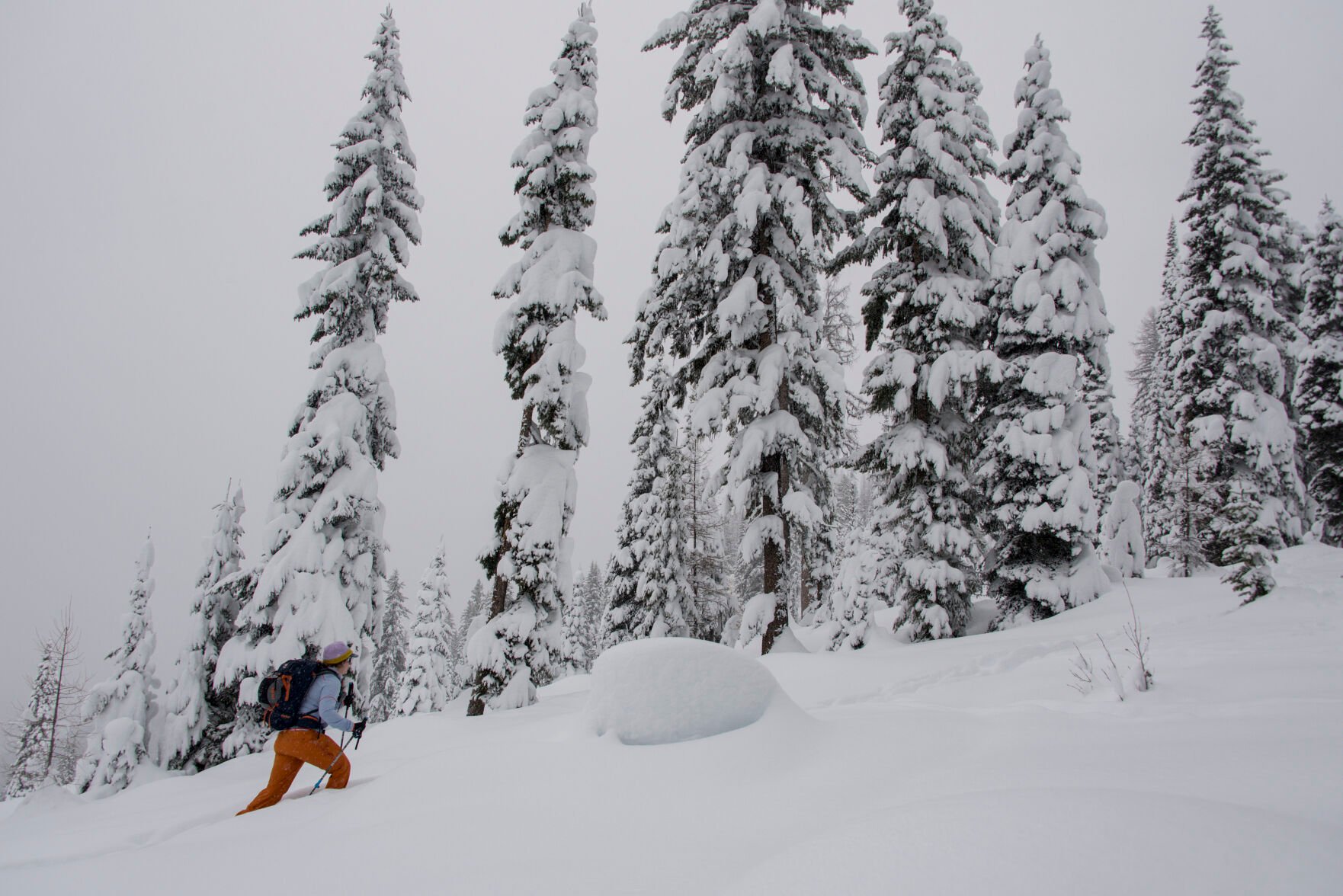
Photo by Missoulian
Key Takeaways:
- The West Central Montana Avalanche Center is operating at 50% staffing due to budget cuts.
- The center is relying heavily on public observations to monitor avalanche conditions.
- Avalanches are the leading cause of natural hazard deaths on national forest lands, killing 25-30 people annually in the U.S.
- Backcountry skiing and snowboarding have surged, increasing the need for avalanche monitoring.
- The center’s extensive coverage area makes public input crucial amid staffing reductions.
Montana’s Avalanche Center Seeks Public Help Amid Budget Cuts
Staff Reductions Spur Call for Community Involvement in Avalanche Monitoring
The West Central Montana Avalanche Center, based in Missoula, is facing unprecedented challenges this winter. Due to impending budget cuts from Congress leading to a pause in financial and equipment contributions from the Forest Service, the center’s operations have been significantly limited. Now, with a 50% reduction in staffing, the center is turning to the public to help ensure the safety of backcountry travelers.
A Shrinking Team Amid Growing Risks
Typically, the center employs three full-time professional forecasters during the winter, each working 40 hours a week for a total of 120 work hours weekly. This year, however, the team has been reduced to one full-time forecaster working 40 hours and another part-time forecaster working 20 hours, cutting total weekly work hours in half.
“We’re really chewing into the amount of field work we can do,” said Cam Mackenzie, the center’s lone full-time forecaster this season. The staffing cuts have significantly impacted their ability to monitor avalanche conditions across their expansive forecast area.
Vast Terrain, Limited Resources
The center’s jurisdiction spans more than 1,420 square miles of western Montana, stretching 150 linear miles from Lost Trail Pass in the south to the Seeley area in the north—a drive of more than three hours along highways. Covering such an extensive area with reduced staff presents a daunting challenge.
With the Forest Service pausing its equipment contributions, the center also lacks vital resources like additional snowmobiles and transport vehicles, further limiting their reach. This has particularly affected their ability to access areas like Seeley Lake, which relies heavily on snowmobile travel.
Public Observations: A Critical Asset
In response to these constraints, the center is urging the public more than ever to submit observations through their website, missoulaavalanche.org . These observations can be as simple as noting snowfall accumulation at a trailhead or as detailed as analyzing snow crystal shapes within the snowpack.
“Really just how much snow is on the ground, especially if there’s a storm the night before, and if the wind is moving that snow around,” Mackenzie explained. Public input not only aids forecasters in understanding current conditions but also provides valuable information to other backcountry enthusiasts.
Surge in Backcountry Recreation
The call for assistance comes at a time when backcountry activities are on the rise. In early 2020, approximately 700,000 people in the United States were backcountry skiing or snowboarding. By 2023, that number had more than tripled to 2.2 million, with some estimates suggesting over 6 million participants—nearly twice the number of Americans who surf. Snowmobiling has also seen significant growth.
This surge increases the importance of accurate and timely avalanche forecasting. With more people venturing into potentially dangerous areas, the risk of accidents rises correspondingly.
Avalanche Dangers and Realities
Avalanches are the leading cause of death by natural hazards on national forest lands, killing an average of 25 to 30 people in the U.S. each year, according to the National Avalanche Center. They can occur on any slope of 30 degrees or steeper and can be triggered remotely without warning.
“It’s about far more than predicting avalanche conditions. It’s about protecting lives,” Patrick Black, the executive director of the nonprofit foundation that houses the avalanche center, told the Missoulian in the fall. The center’s mission is critical, but resource limitations hamper their ability to fulfill it fully.
Community Effort for Safety
The reduced staffing has forced the center to prioritize high-use areas for fieldwork, such as Lolo Pass, Lost Trail Pass, and regions near the Snowbowl Ski Area. However, areas like Seeley Lake remain less monitored due to accessibility issues.
By submitting observations, the public can help fill these gaps. Whether seasoned backcountry travelers or first-time visitors, everyone can contribute to a safer winter environment. Observations aid not only the forecasters but also fellow adventurers relying on up-to-date information.
A Collective Responsibility
As winter storms continue to affect western Montana, bringing new snow and changing conditions, the role of the public becomes even more vital. The center emphasizes that every piece of information, no matter how small, can make a difference.
“Know before you go,” is the common refrain among avalanche safety professionals. This winter, the center adds, “If you do go, tell us what you see.”
How You Can Help
- Visit missoulaavalanche.org to submit observations.
- Share details about snowfall, wind conditions, and any signs of instability.
- Participate in avalanche safety courses to enhance your understanding and ability to contribute.
Together, the community can help mitigate the risks posed by avalanches and ensure that everyone enjoys a safer backcountry experience this winter.