Japan is exploring a major shift to coal-fired power generation as liquefied natural gas costs climb. A new proposal could remove the current 50% utilization cap on coal plants, potentially cutting LNG imports by half a million tons every year.
Subscribe
Environmental Laws
Policy Analysis
Japan Considers Switch From LNG to Coal

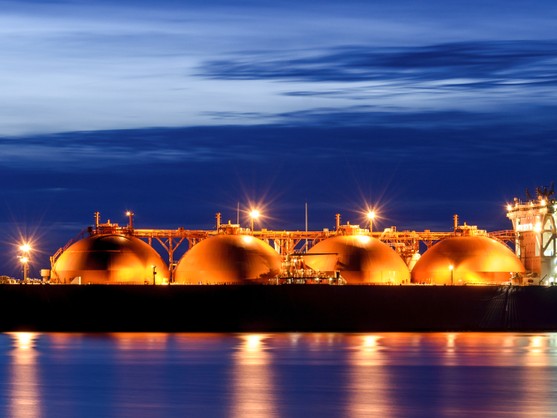
Photo by Oil Price
Key Takeaways:
- Japan is considering reduced reliance on LNG due to high prices
- The government may remove the 50% coal plant utilization cap
- This policy could save about half a million tons of LNG annually
- Japan currently imports around 4 million tons of LNG from the Middle East
- The new plan would begin in the fiscal year starting in April
Japan’s Evolving Energy Landscape
Japan is facing an increasingly challenging energy scenario amid a liquefied natural gas crunch. Prices for LNG have soared, and this has prompted the government to reconsider its reliance on imported gas.
The Proposal to Lift Coal Power Limits
A proposal drafted by the economy ministry aims to remove the 50% utilization rate cap on coal-fired power plants in the new fiscal year, which starts in April. Doing away with this limit would allow coal plants to boost production, offering an alternative energy source at a time when LNG costs are proving prohibitive.
Impact on LNG Imports
If this policy is approved, officials estimate LNG consumption could drop by as much as half a million tons each year. Currently, Japan imports about 4 million tons of LNG from the Middle East annually, underscoring how significant a half-million-ton reduction could be in stabilizing the nation’s energy needs.
Implications for Energy Policy
Japan’s shift toward coal reflects the broader challenge of balancing energy demands with global market changes. The proposal highlights how price disruptions in the global LNG market can prompt rapid policy responses, aiming to secure reliable, cost-effective power sources.
The Road Ahead
Looking to the start of the new fiscal year, Japan’s energy planners must weigh the advantages of cheaper coal-powered generation against environmental and policy considerations. Should the proposal move forward, it may mark a turning point in the nation’s energy strategy, shaping its import practices and approach to global energy markets for years to come.