Japan’s Prime Minister Sanae Takaichi sparked debate and provoked China’s anger by hinting that a Chinese move on Taiwan could spur a Japanese military response. In the wake of her remark, she received a phone call from U.S. President Donald Trump, underlining the magnitude of the diplomatic situation.
Subscribe
Breaking News
Global Conflicts
International Politics
Japan’s leader says Trump called her as dispute with China doesn’t go away

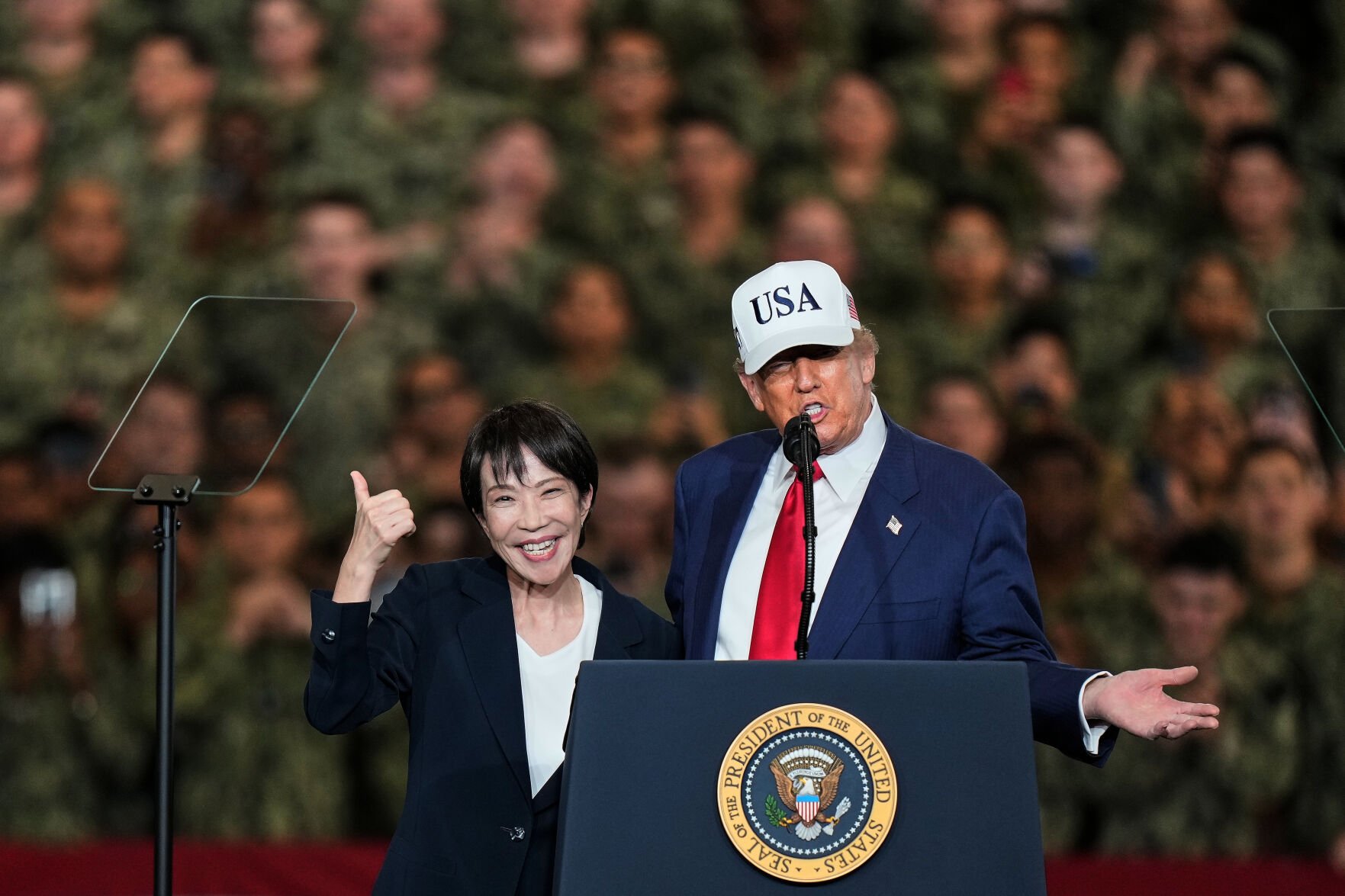
Photo by Telegraph Herald
Key Takeaways:
- Prime Minister Sanae Takaichi’s Taiwan remark angered Beijing
- She suggested a possible Japanese military response to a Chinese move
- Takaichi received a call from President Donald Trump after her statement
- The dispute with China remains unresolved
- U.S.-Japan relations figure prominently in regional security concerns
Japan’s Prime Minister Addresses Mounting Tensions
Japan’s Prime Minister Sanae Takaichi has come under mounting pressure after making a comment that outraged Beijing. According to Takaichi, she indicated that if China took action against Taiwan, Japan might respond militarily. This statement touched off a fresh wave of diplomatic tension, as relations between Japan and China have historically been fraught with disagreements on territorial and security matters.
China’s Furious Reaction
The immediate response from China underscored the intensity of regional sensitivities. Takaichi’s remark, which aligned Japan with Taiwan’s security, was met with strong criticism from Beijing. The dispute underlines a longstanding concern in the region about China’s approach to Taiwan and Japan’s stance on territorial integrity.
A Call from President Trump
Shortly after Takaichi’s comment became public, she received a call from U.S. President Donald Trump. Though details of their discussion remain scant in the public domain, Takaichi’s mention of the phone conversation calls attention to potential collaboration or alignment between the U.S. and Japan. The timing of Trump’s call, particularly in the context of tense Japan-China ties, adds another layer of significance.
Unresolved Dispute and Broader Implications
Despite ongoing diplomatic efforts, the disagreement with China over security and territorial questions “doesn’t go away.” Policymakers in Tokyo remain watchful of any changes in Beijing’s stance on Taiwan. Meanwhile, the involvement of the United States in these conversations reiterates the broader geopolitical importance of the Asia-Pacific region, where multiple nations hold competing interests. Japan’s approach, as evidenced by Takaichi’s remarks, suggests that leadership in Tokyo intends to keep a close eye on China’s next moves—and incorporate input from key allies.