A Liberian man has been released by a federal judge in Minnesota after his arrest by heavily armed immigration agents. The agents used a battering ram to break into his Minneapolis home, raising questions about the use of force and due process.
Subscribe
Breaking News
Policy Analysis
Judge orders release of Liberian man arrested in Minneapolis by agents with a battering ram

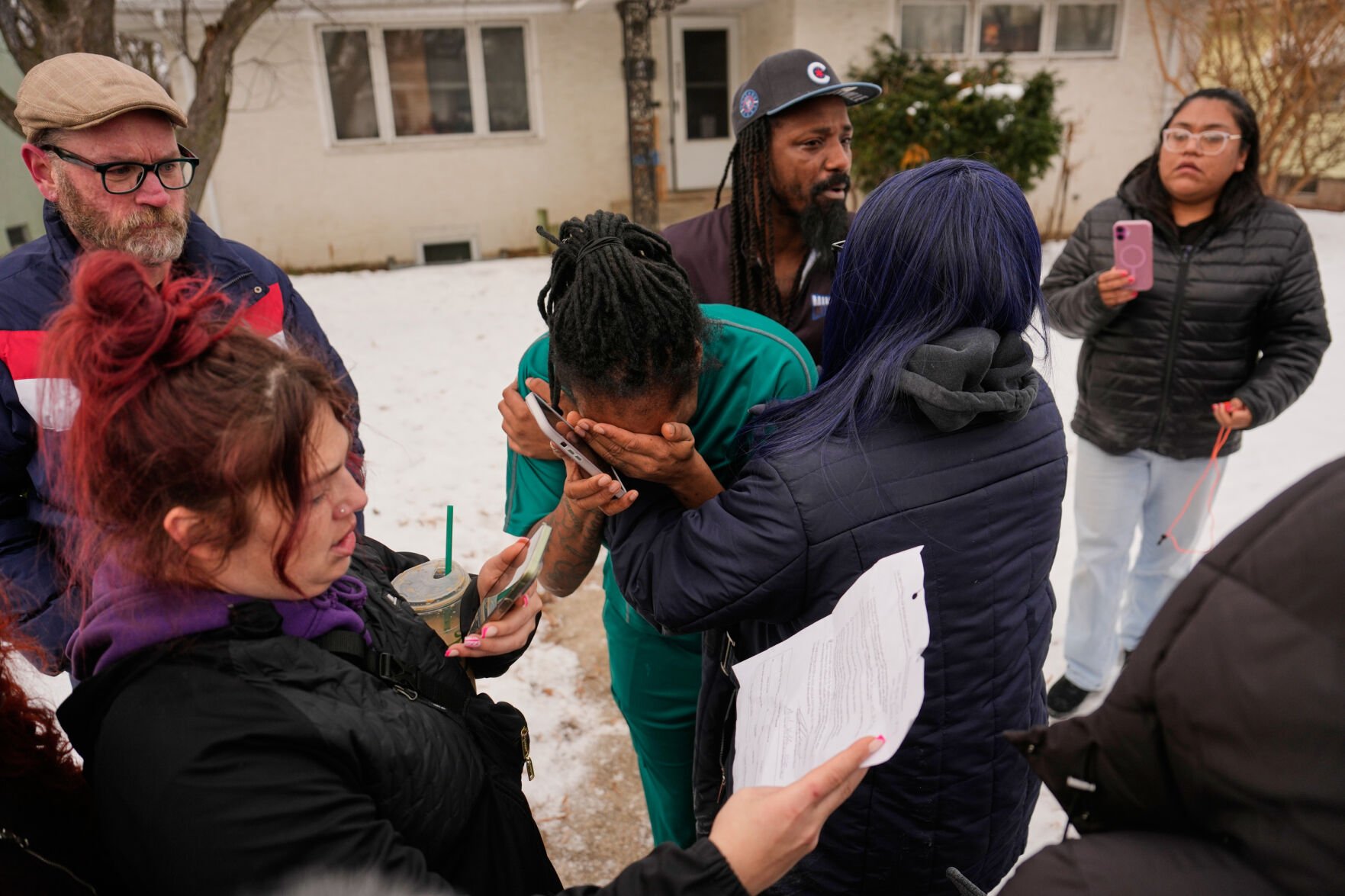
Photo by Miles City Star
Key Takeaways:
- A federal judge in Minnesota ordered the man’s release.
- Heavily armed immigration agents used a battering ram during the arrest.
- The incident took place in Minneapolis.
- U.S. District Judge Jeffrey Bryan presided over the case.
- The man’s detention highlights ongoing debates around immigration enforcement.
Background of the Case
A Liberian man was taken into custody by immigration agents in Minneapolis after they broke into his residence using a battering ram. According to reports, the agents were heavily armed when they entered his home. The circumstances of this arrest raised immediate questions about the methods used in immigration enforcement.
The Judge’s Order
Following the incident, U.S. District Judge Jeffrey Bryan stepped in and mandated the man’s release. While the full details of the court’s decision were not disclosed, the reversal underscores the judiciary’s critical role in reviewing law enforcement actions. Judge Bryan’s intervention suggests that questions of due process remain paramount in such operations.
Reactions & Context
The arrest and subsequent release have drawn attention to the methods immigration authorities sometimes employ. Critics argue that tactics like battering ram entries can be excessively forceful and spark broader concerns over civil liberties. Advocates point to this case as an example of the tension between enforcing immigration laws and safeguarding individual rights.
Broader Implications
Legal experts believe this ruling could influence how future arrests are conducted and reviewed by the courts. Such high-profile cases often draw scrutiny to the balance between national security, immigration enforcement, and the protection of constitutional rights. As the national conversation around immigration continues, this incident serves as a reminder of the complexities and responsibilities involved in law enforcement actions.