A new federal study warns that Lake Mead could reach its lowest level since its creation in the late 1930s—1,015.77 feet above sea level—by July 2027. The accelerated decline of this critical reservoir poses serious questions about water sustainability for southern Nevada and much of the broader region.
Subscribe
Breaking News
Global Warming Effects
Lake Mead’s slow demise just sped up in latest federal study

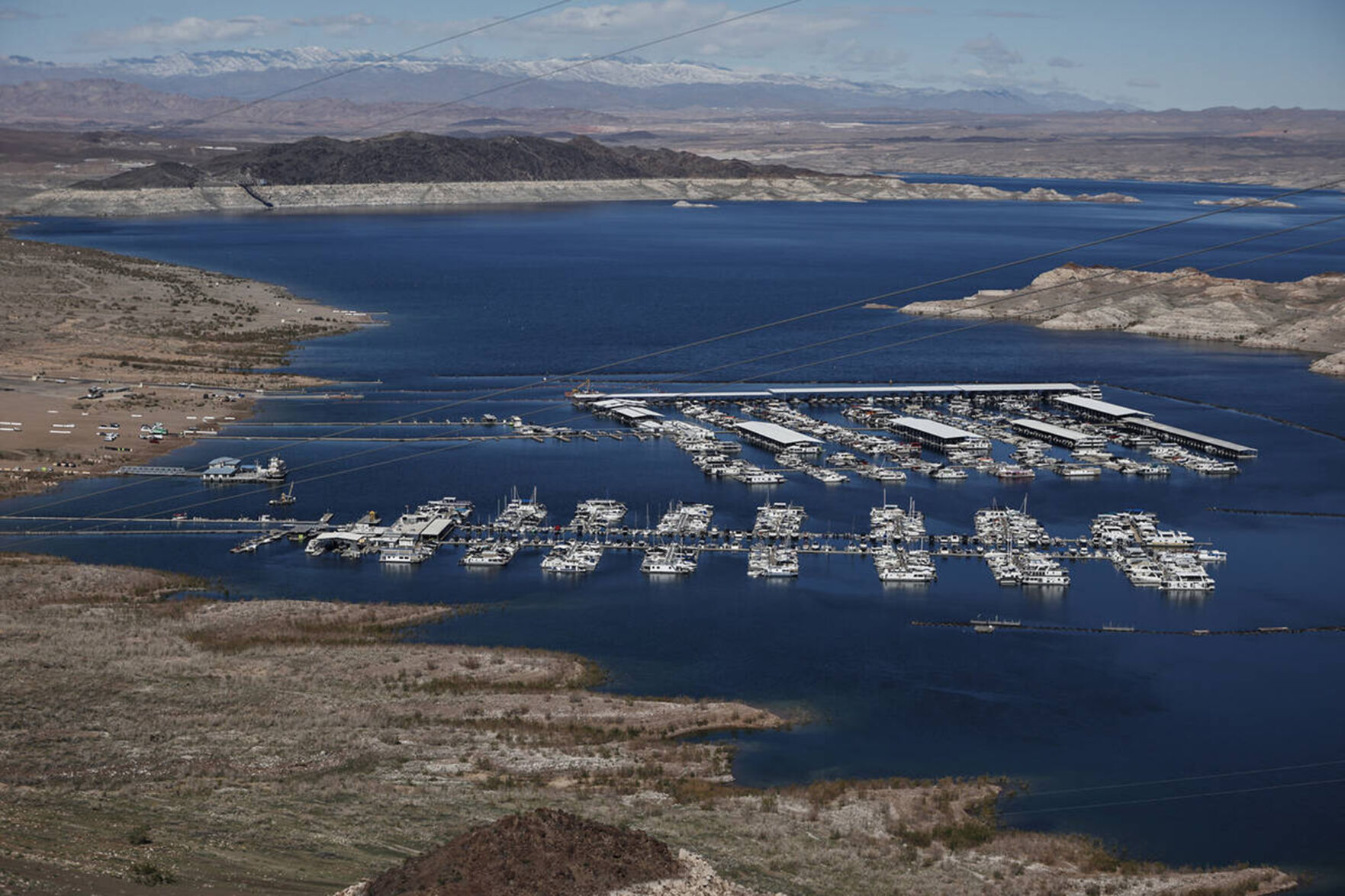
Photo by Arizona Daily Sun
Key Takeaways:
- A recent federal study indicates Lake Mead may drop to 1,015.77 feet by July 2027
- This projection would be lower than any recorded level since the reservoir was filled in the 1930s
- Federal and regional water agencies, including the Southern Nevada Water Authority, are concerned about the reservoir’s fate
- Lake Mead’s current downward trend could pose heightened risks to water supply for the region
- Hydrologists view the forecast as a stark reminder of broader environmental challenges
Background and New Findings
A new federal study has projected that Lake Mead—one of the primary sources of water for multiple southwestern states—could dip below any level recorded since it was first filled in the late 1930s. Specifically, the study suggests the reservoir’s water level could plummet to 1,015.77 feet above sea level in July 2027. This announcement has sent shockwaves through both the scientific community and the general public, underlining the serious challenges facing local and regional water authorities.
The Environmental and Regional Impact
For southern Nevada, which greatly depends on Lake Mead for fresh water, these findings raise alarms about the future of the region’s supplies. Hydrologists point to Lake Mead’s dwindling elevation as symptomatic of far-reaching water and climate challenges, with potential impacts on everything from residential consumption to agriculture and conservation efforts.
Roles of Agencies Involved
Several entities are closely monitoring the reservoir’s status. The United States Bureau of Reclamation, responsible for managing federal water resources, has played a key role in initiating this new study. Equally concerned is the Southern Nevada Water Authority, which oversees water delivery and plans to ensure a reliable supply in the face of a changing climate. Their cooperation aims to identify effective solutions before water levels reach critical lows.
A Reservoir in Historical Perspective
Lake Mead was initially formed by the completion of the Hoover Dam in 1935, making it a cornerstone of regional development. The study’s projection that water levels could sink below any previously recorded point since the 1930s is a stark indicator of this reservoir’s decades-long struggle. With demand often outpacing supply, Lake Mead’s decline has drawn the attention of policy makers, conservationists, and communities alike.
The Road Ahead
Experts monitoring Lake Mead’s fate see the rapidly approaching 1,015.77 feet projection as an alarming call to action. While the future remains uncertain, many agree that a multipronged approach—encompassing efficient water use, long-term planning, and collaborative conservation measures—is imperative to sustain the reservoir. As the region braces for a potentially unprecedented shortage, the question remains whether policymakers and communities can reverse the course of Lake Mead’s decline before it reaches critical levels.