A newly released Senate report highlights how private student loan lenders might profit from cuts to federal student loan programs under President Trump’s OBBBA bill. Oregon’s U.S. Senators Jeff Merkley and Ron Wyden joined a group of lawmakers in uncovering how policy shifts could pave the way for increased private-sector gains.
Subscribe
Federal Loans
Policy Analysis
Private Loans
Legislatures release report of how private student loan lenders expect to profit from Trump’s OBBBA bill

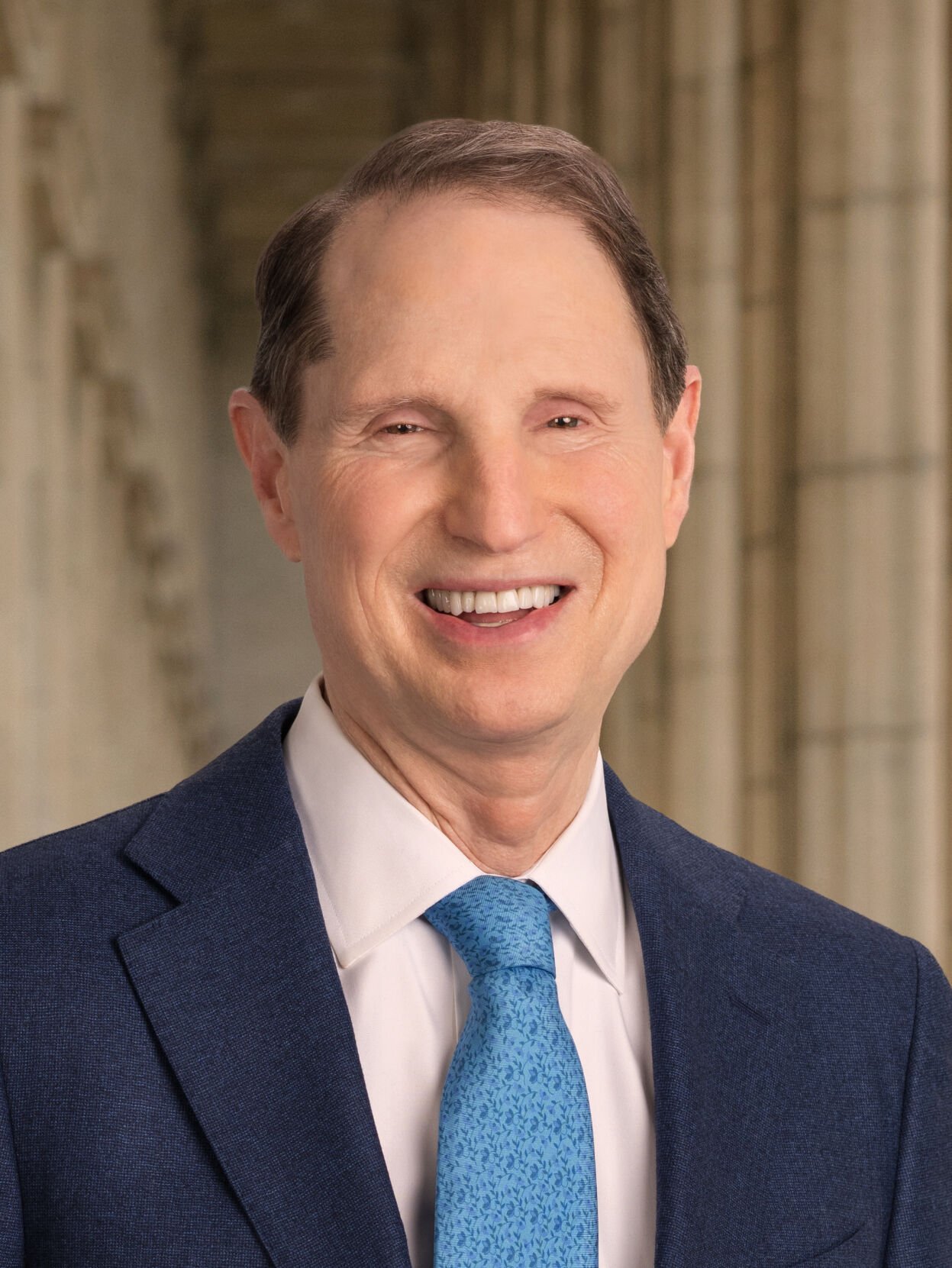
Photo by Curry Coastal Pilot
Key Takeaways:
- Senators Jeff Merkley and Ron Wyden co-released a new report on student loan changes
- The OBBBA bill includes cuts to federal student loan programs
- Private lenders stand to benefit from these policy shifts
- Lawmakers call attention to potential risks for student borrowers
- The report underscores the evolving landscape of student financing
The Bill’s Background
President Trump’s OBBBA bill has garnered heightened scrutiny from lawmakers due to its potential effect on federal student loan programs. Recent legislative moves revolve around reduced funding or stricter limits on federal loans, a shift that has raised questions about how student borrowers will adapt to fewer government-backed options.
The Senators’ Investigation
Oregon’s U.S. Senators Jeff Merkley and Ron Wyden joined a coalition of colleagues in releasing a new report documenting how, in their view, private student loan lenders could reap significant rewards from impending changes. The Senators’ investigation, announced in Washington, D.C., highlights concerns that cuts to federal availability will allow private lenders to fill the gap, further expanding their market share.
Private Lenders’ Potential Gains
According to the new report, reducing loan options in the federal system could create an environment where private lenders step in with higher interest rates or different repayment terms. This shift could, as the report contends, increase financial burdens for borrowers. While private lenders might see profit growth, lawmakers warn of the long-term implications for student debt repayment.
Possible Outcomes for Student Borrowers
The report points to a landscape in which students who rely heavily on federal loans might face higher borrowing costs if forced to turn to private options. Senators Merkley and Wyden stress the need for vigilance, calling attention to how these changes might disproportionately affect middle- and low-income borrowers who depend on federally backed loans.
Looking Ahead
As discussions continue on how best to balance federal budgeting concerns with the educational needs of Americans, the Senators’ report underscores the importance of bipartisan dialogue. With the OBBBA bill in effect, all eyes will be on the real-world impact of these policy shifts—and whether new legislation will be introduced to protect students from escalating loan costs.