A newly published letter to the editor warns of eerie similarities between health care debates in 2025 and the turbulent politics of 1939. It draws on historical illustrations—such as “The Man in the High Castle” and “Forgive Us Our Trespasses”—to show how policy choices can echo devastating events from the past.
Subscribe
Analysis and Opinions
Healthcare Reforms
Policy Analysis
Letter: 2025 health care politics echo 1939


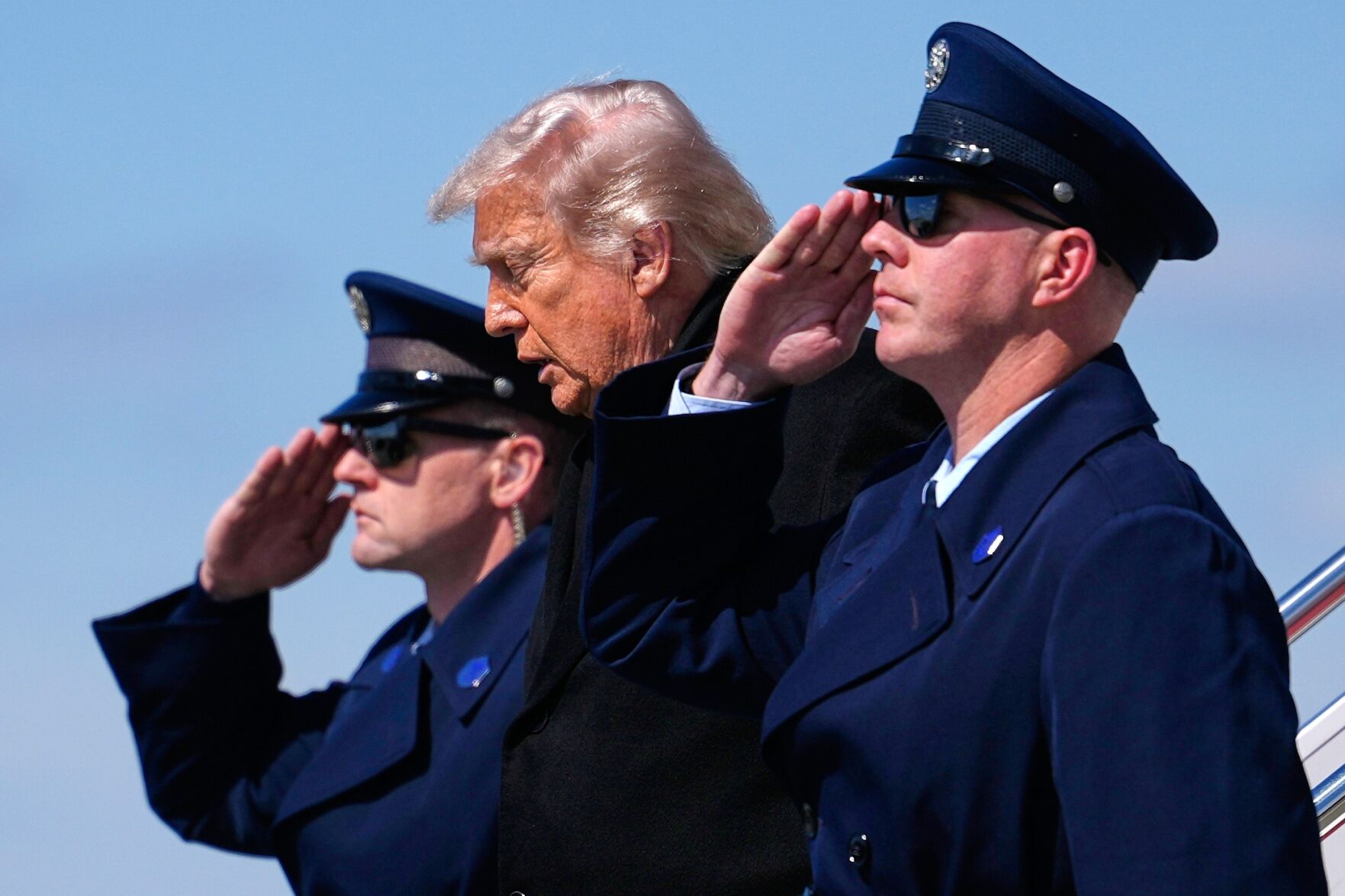
Photo by Concord Monitor
Key Takeaways:
- The letter draws parallels between 2025 and 1939 health care politics
- Cultural references to “The Man in the High Castle” and “Forgive Us Our Trespasses” highlight history’s influence
- Aktion T4, signed in 1939, is at the heart of the cautionary theme
- The letter urges readers to consider both ethical and historical implications of modern health care policy
- Publication date indicates ongoing debate and concern about these issues
The 2025–1939 Parallel
A recent letter in the Concord Monitor suggests that certain health care politics of 2025 bear an unsettling resemblance to those of 1939. The author evokes the atmosphere of that pre–World War II year, warning readers that certain policy decisions could potentially mirror the controversial and dangerous path taken decades ago.
Cultural References and Their Significance
To underscore these parallels, the letter points to two notable pieces of media. The first is the four-season science fiction series “The Man in the High Castle,” which was popular during the long days of COVID-19. The second is “Forgive Us Our Trespasses,” a 14-minute docudrama that focuses on the historical consequences of targeted government actions. Both works depict the dire effects of Aktion T4—an infamous 1939 policy employed by the Nazi regime.
Why History Matters Today
By drawing attention to past events, the letter argues that 2025 health care debates may harbor similar risks if public oversight and ethical scrutiny falter. Looking back at how dangerous ideas can gain traction in turbulent times, the piece implies that the lessons of 1939 should guide contemporary decision-makers away from ignoring people’s rights and well-being.
The Impact on Public Discourse
Published on December 19, 2025, the letter reflects ongoing concern and debate within the community. As a letter to the editor, it represents a grassroots push for vigilance, urging citizens to examine current health care policy in light of historical warnings. Ultimately, the writer hopes these reflections will inspire more cautious, compassionate approaches to shaping the future of health care.