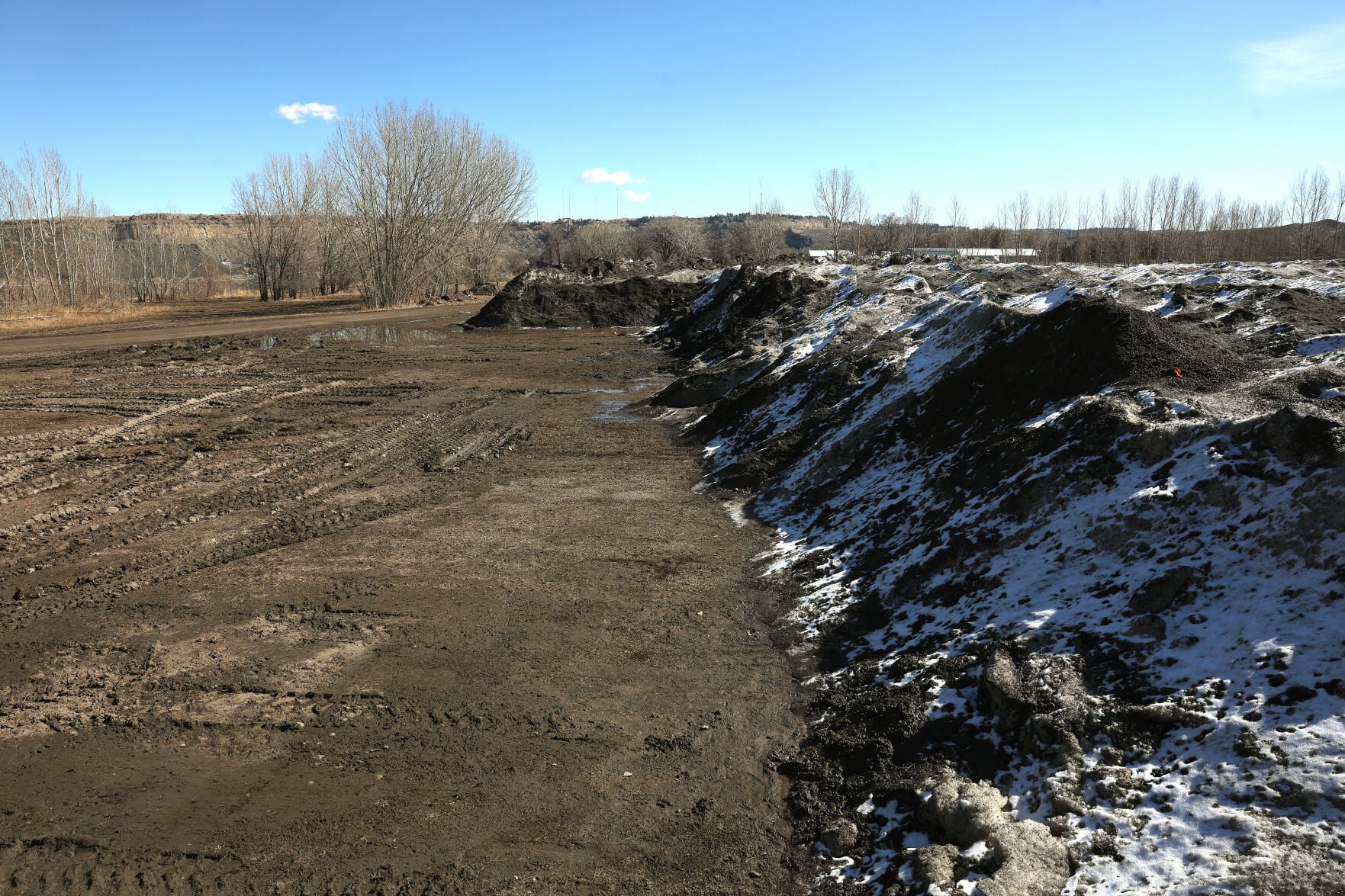
Facing ongoing wildfire and flood threats, Lincoln County, New Mexico, plans to buy out vulnerable properties and transform them into public land. This strategy aims to help at-risk homeowners move out of harm’s way while reducing the long-term costs of managing disaster-prone zones.
Subscribe
Climate Change Policies
Global Warming Effects
Policy Analysis
Lincoln County, New Mexico, wants to turn flood-prone properties into public land

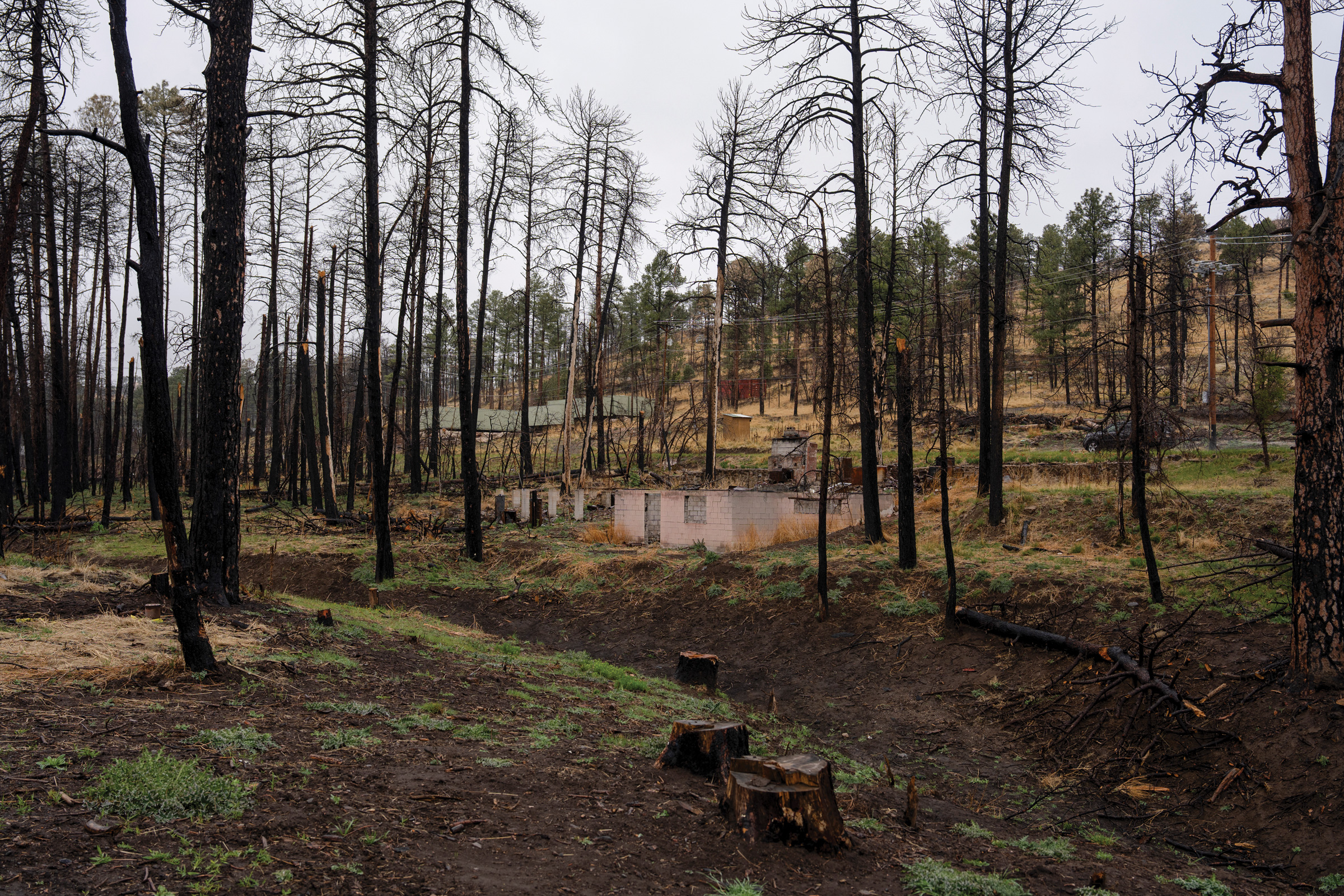
Photo by High Country News
Key Takeaways:
- Buyouts Help Residents Escape Danger
- Public Land Conversion Addresses Long-Term Risks
- Lincoln County’s Proactive Measures
- Environmental and Political Dimensions
- USDA and Other Stakeholders
Introduction
Lincoln County, New Mexico, has long grappled with seasonal wildfires and constant flood threats. In an effort to shield residents from the looming dangers, county officials have taken a bold step: purchasing homes currently located in flood-prone areas.
The Buyout Proposal
Facing what local leaders describe as increased climate risks, this new plan offers homeowners a voluntary option to leave behind properties that are susceptible to repeated flooding. By providing fair buyouts, Lincoln County hopes to spare its residents the anxiety and financial burden of potential future disasters.
Reactions from Homeowners
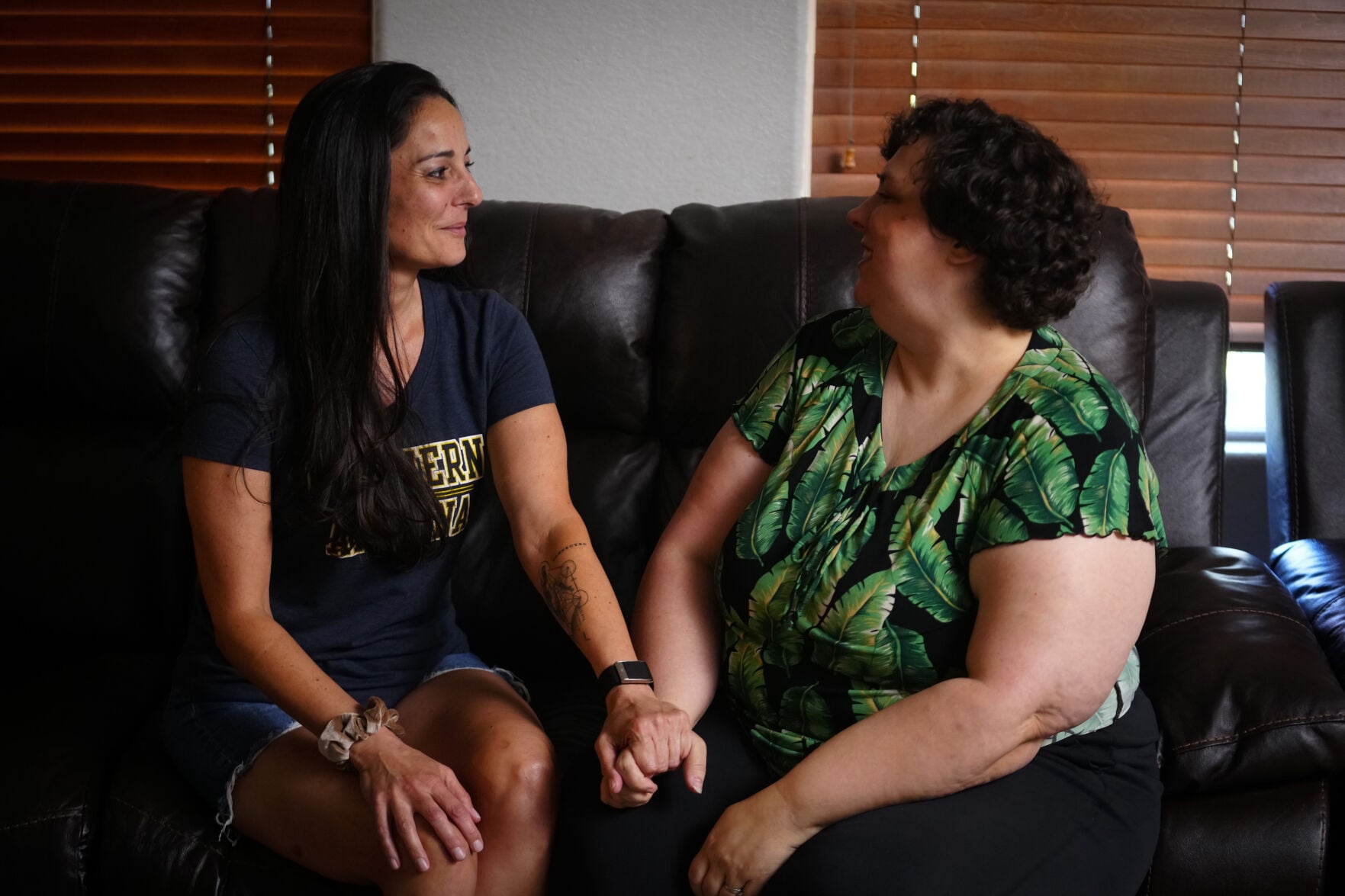
“Facing fires and floods, homeowners are considering buyouts designed to move them out of harm’s way,” recently explained a local source. Many who live in these high-risk zones see the program as a lifeline, giving them a safe exit. However, others feel torn about leaving their homes, some of which have been in families for generations.
Public Land Vision
After the buyouts, Lincoln County intends to revert these vulnerable plots to public land. By doing so, the county reduces potential flood mitigation costs and creates recreational or conservation areas. This shift could also limit new construction in hazardous zones, further safeguarding local communities.
Future Outlook
Officials believe this approach is a long-term investment that not only protects residents but also preserves local environmental resources. Though the extent of federal funding through agencies like the U.S. Department of Agriculture remains to be seen, the overall goal is clear: transform danger zones into safer, more sustainable land use.