A live Charlotte Talks recording event is set to revisit the 1944 polio epidemic in Catawba County, examining how a close-knit community rallied in record time. This swift collaboration became known across North Carolina as the “Miracle of Hickory,” a testament to the power of unity against a public health threat.
Subscribe
Infectious Diseases
Live Charlotte Talks recording event to explore ‘The Miracle of Hickory’ and battle against polio


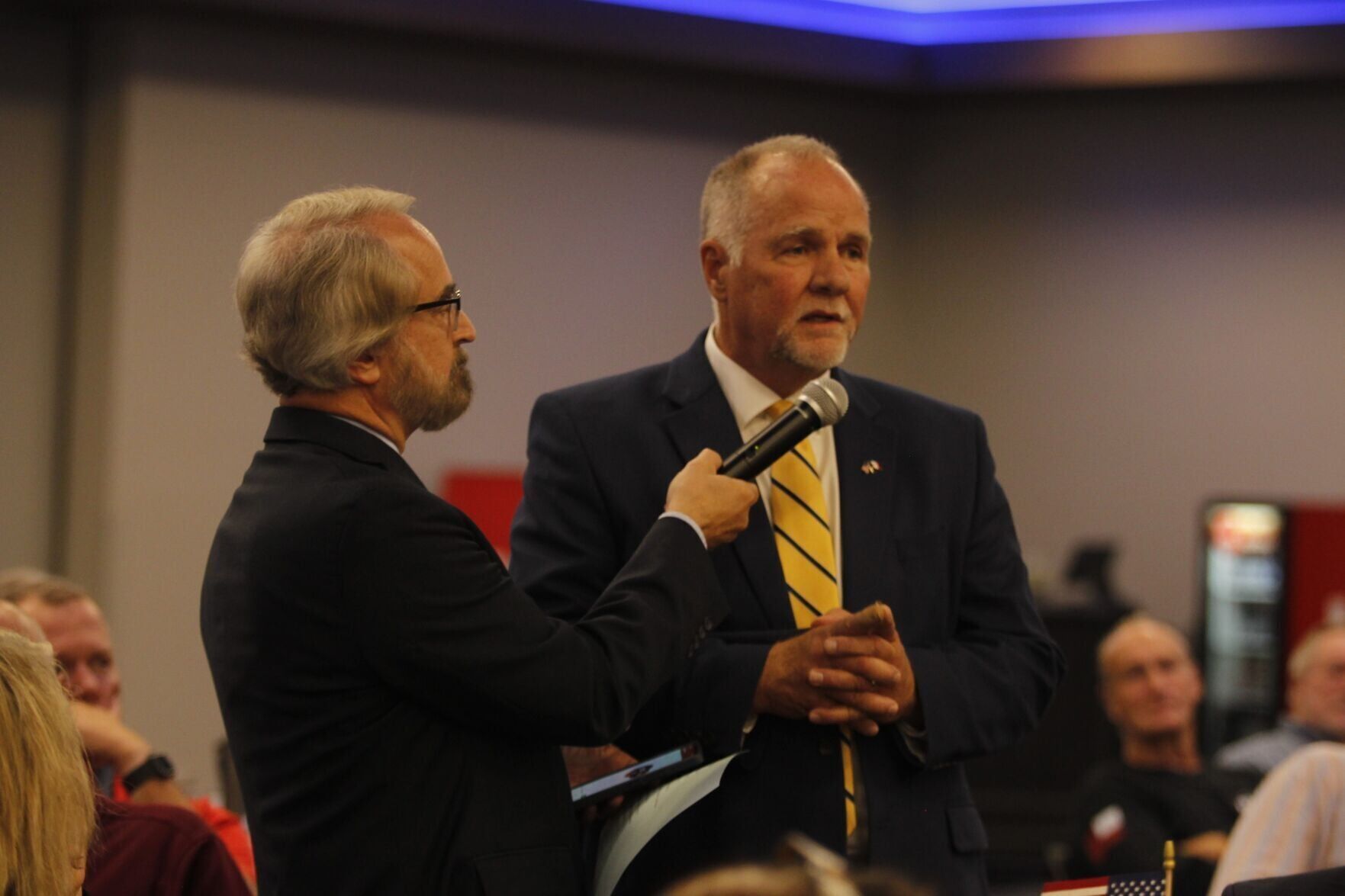
Photo by Hickory Daily Record
Key Takeaways:
- The 1944 polio epidemic was a major health crisis in Catawba County.
- Rapid community action earned the name “Miracle of Hickory.”
- A live Charlotte Talks recording event will explore this historic relief effort.
- Hickory’s story continues to resonate with those interested in local history.
- The city’s response remains a testament to collective determination.
Introduction to the Event
A fresh spotlight is being cast on Catawba County’s 1944 polio epidemic, as a live Charlotte Talks recording event aims to uncover the details behind what locals proudly call the “Miracle of Hickory.” This conversation will delve into how a community, in the midst of crisis, took swift action to hold back a dreaded disease.
Historical Context
In 1944, polio posed a grave threat to many North Carolina counties, including Catawba County. With the community on high alert, families feared the impact on their loved ones. During this uncertain time, local leaders and everyday residents recognized the urgency and rallied around a single goal: to save as many lives as possible and prevent further spread of the disease.
The Community’s Rapid Response
Catawba County soon found itself at the center of a remarkable story. Working together, volunteers established makeshift medical facilities and sought aid wherever possible. Neighbors became caregivers, and local institutions offered their support. Such swift collaboration, driven by a sense of shared responsibility, garnered the nickname “The Miracle of Hickory.”
Significance and Legacy
The tale of the “Miracle of Hickory” remains a point of local and regional pride. Even decades later, people around Hickory share stories of how their parents or grandparents contributed to the effort, preserving a lasting sense of unity. It exemplifies how the dire circumstances of a public health threat can inspire collaborative solutions that transcend boundaries.
Continuing the Story
Today, mentions of Hickory’s 1944 polio battle still surface in North Carolina’s broader discussions of health and community resilience. With keywords such as broadcasting, Redhawk Publications, WFAE, the Catawba River, and NPR tied to the event’s coverage, there is ongoing interest in exploring its historical impact. By revisiting this pivotal time, the live Charlotte Talks recording event hopes to paint a full picture of how one county faced polio head-on—and left behind a legacy of compassionate action.