Maine has increased its standards for community paramedics, aiming to standardize preventive health services. But as some professionals choose to leave rather than comply, critics worry Maine’s most vulnerable patients will face a diminished level of care.
Subscribe
Healthcare Reforms
Policy Analysis
Maine upped standards for community paramedics. Now, some are leaving.

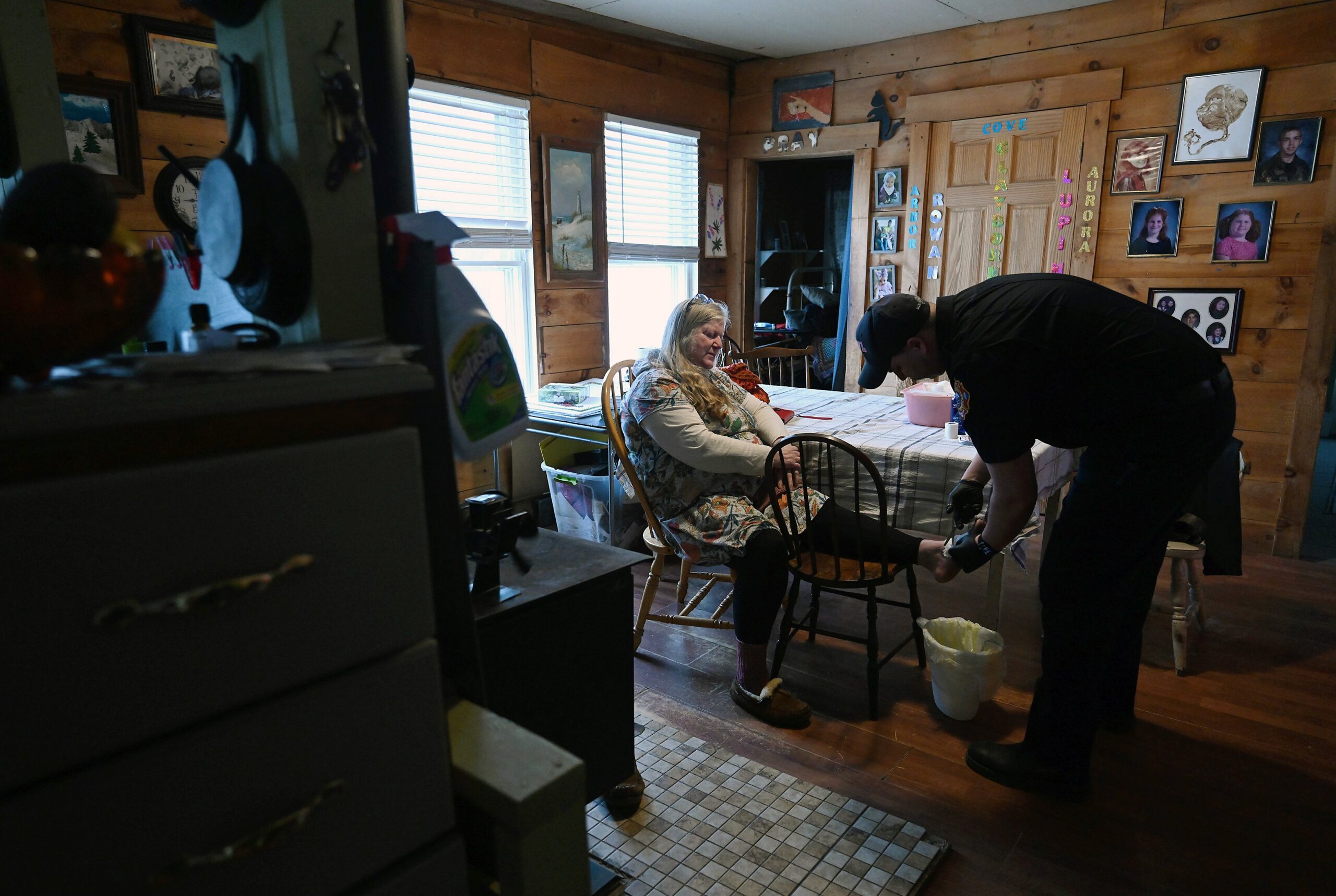
Photo by Central Maine News
Key Takeaways:
- Maine has introduced higher standards for community paramedics.
- The new requirements focus on standardizing preventive health services.
- Some paramedics are leaving due to difficulties meeting the new expectations.
- Observers fear the departures may undermine care for vulnerable populations.
- Advocates are divided on whether these standards will help or hurt overall access to care.
The New Standards
Maine’s recent decision to raise requirements for community paramedics seeks to transform and standardize the preventive healthcare landscape. The move focuses on aligning paramedic services with emerging best practices in areas like in-home care and early intervention.
A Boon for Preventive Health?
Policymakers in Maine hope that stricter guidelines will improve the quality and consistency of care offered to patients who often depend heavily on paramedics for routine checkups, chronic condition management, and non-emergency assistance. Under these requirements, paramedics receive additional training in prevention-oriented fields, aiming to streamline services and reduce healthcare gaps.
Concerns and Departures
However, some paramedics say these heightened standards are too burdensome or do not reflect the realities of on-the-ground care. As a result, certain members of the paramedic community have left or are planning to leave. Their departure has sparked concern within both healthcare and patient advocacy groups.
Potential Impact on Vulnerable Residents
The most affected may be Maine’s vulnerable residents, including those living in remote areas or lacking reliable transportation. Critics of the raised standards caution that whenever essential personnel exit the workforce, at-risk populations could face fewer healthcare options and prolonged wait times.
Moving Forward
Though the new standards aim to improve the overall quality of healthcare, real questions remain about balancing tighter standards with the availability of care. As the debate continues, healthcare officials, paramedics, and community advocates will need to find common ground to ensure Maine’s vulnerable residents do not fall through the cracks.