Major League Baseball owners have proposed banning high school players from signing pro contracts, raising the international signing age, and cutting signing bonuses. The plan aims to reshape the way amateur talents enter the league, sparking intense debate in negotiations for a new collective bargaining agreement.
Subscribe
Uncategorized
MLB owners propose banning high school signings and trimming draft

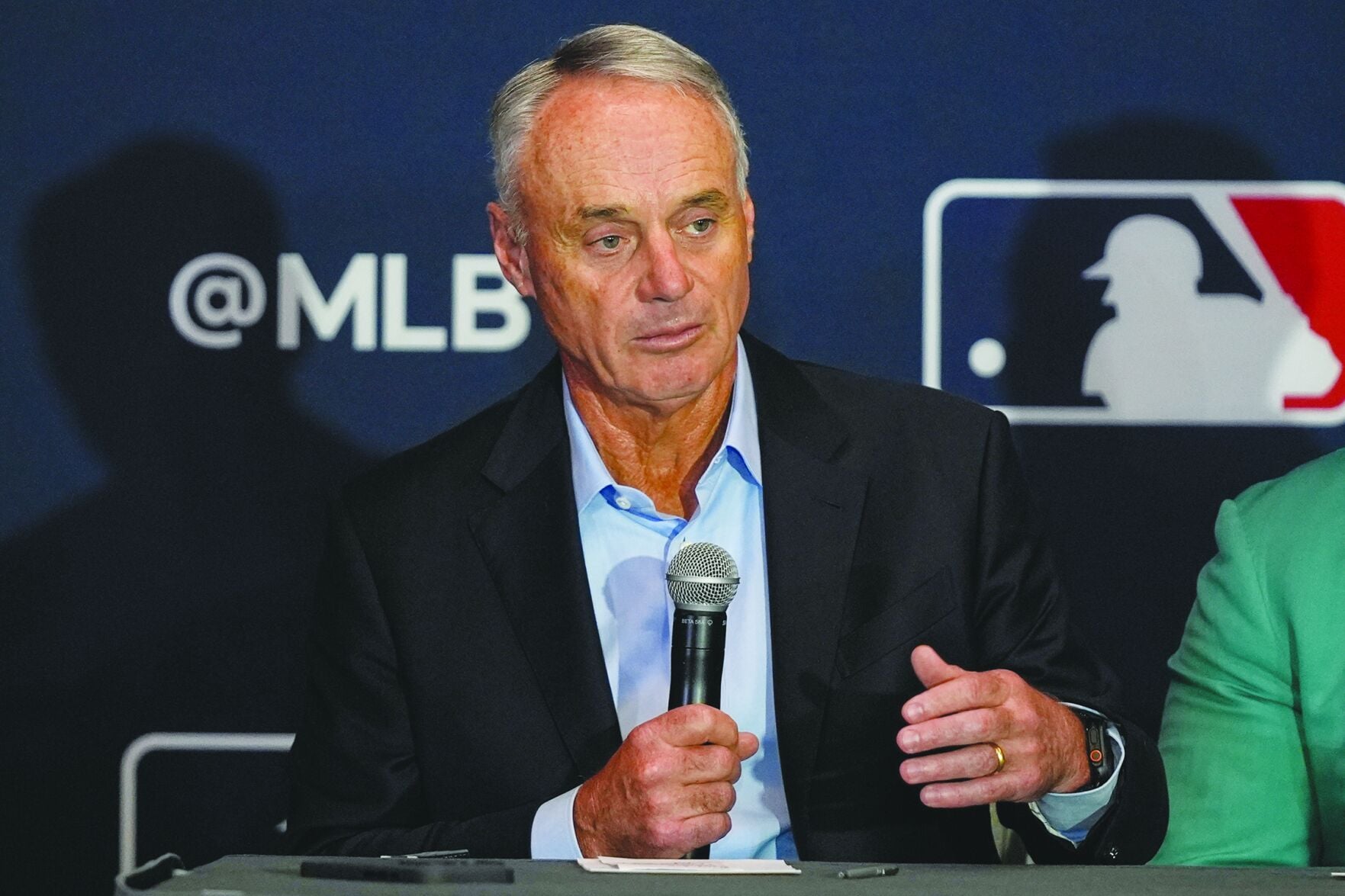
Photo by Antelope Valley Press
Key Takeaways:
- MLB owners want to ban high school players from signing with major league teams
- Proposed changes include raising the age for international amateurs
- The league also aims to reduce signing-bonus spending
- These ideas are part of ongoing collective bargaining discussions
- Implications may extend to college baseball and youth talent pipelines
The Controversial Proposal to Ban High School Signings
Major League Baseball owners recently introduced a controversial proposal that would bar high school athletes from signing professional contracts. According to a report originally published by the Antelope Valley Press, the ban is part of broader reforms aimed at overhauling amateur player recruitment and development. This move could significantly change how young American players enter the sport, forcing many to consider college baseball before going pro.
Raising the Age for International Amateurs
Alongside the ban on high school signings, the owners want to raise the minimum age for international amateurs. This change may alter how young players from abroad are recruited, as teams would have to wait longer to sign them. By increasing the age limit, MLB clubs might shift their focus to more mature prospects, potentially transforming the international scouting landscape.
Slashing Signing Bonuses
Another focal point of the proposal is a plan to slash the spending allocated for signing bonuses. Teams typically invest heavily to secure top amateur prospects, but the new collective bargaining agreement could see that investment drastically reduced. Critics argue that cutting bonus budgets might discourage gifted athletes from pursuing professional baseball, while supporters believe it could help control labor costs.
Draft Implications and Collective Bargaining
All these recommended changes—banning high school signings, raising international age eligibility, and reducing signing bonuses—are being considered together in negotiations for a new collective bargaining agreement. Owners hope the measures will establish a more structured system for player development, but players’ representatives are expected to demand adjustments or concessions. The outcome of these talks will shape MLB’s approach to amateur talent for years to come.
Potential Impact on College Baseball
If high school players find themselves unable to go pro immediately, many may opt for collegiate programs. Some observers believe college baseball could become a more critical step in an athlete’s journey toward the major leagues, with college coaches potentially gaining a stronger hand in player development. While the long-term effects remain uncertain, it is clear that the proposed reforms could ripple through every level of the sport, from youth baseball fields to MLB stadiums.