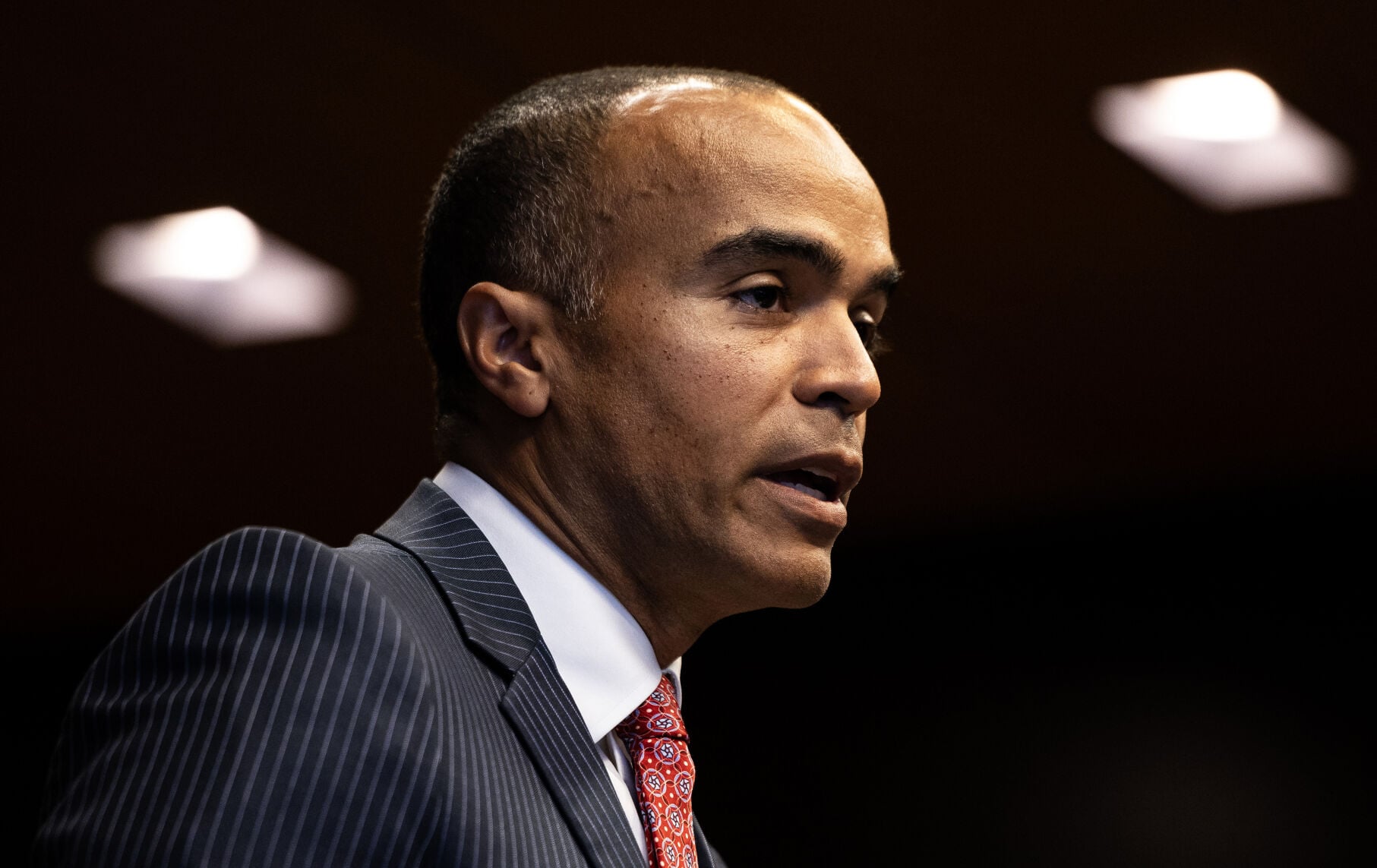
Dr. Debraj “Raj” Mukherjee, a neuro-oncosurgeon at Hopkins, has dedicated himself not only to medical excellence but also to fostering community through the Peace Education Program. Recently honored with the 2025 Rev. Martin Luther King Jr. Award, he continues his mission to bring hope and wellness to Baltimore and beyond.
Subscribe
Education Resources
Soft Skills Training
MLK Jr. Awardee Raj Mukherjee’s Peace Education Program

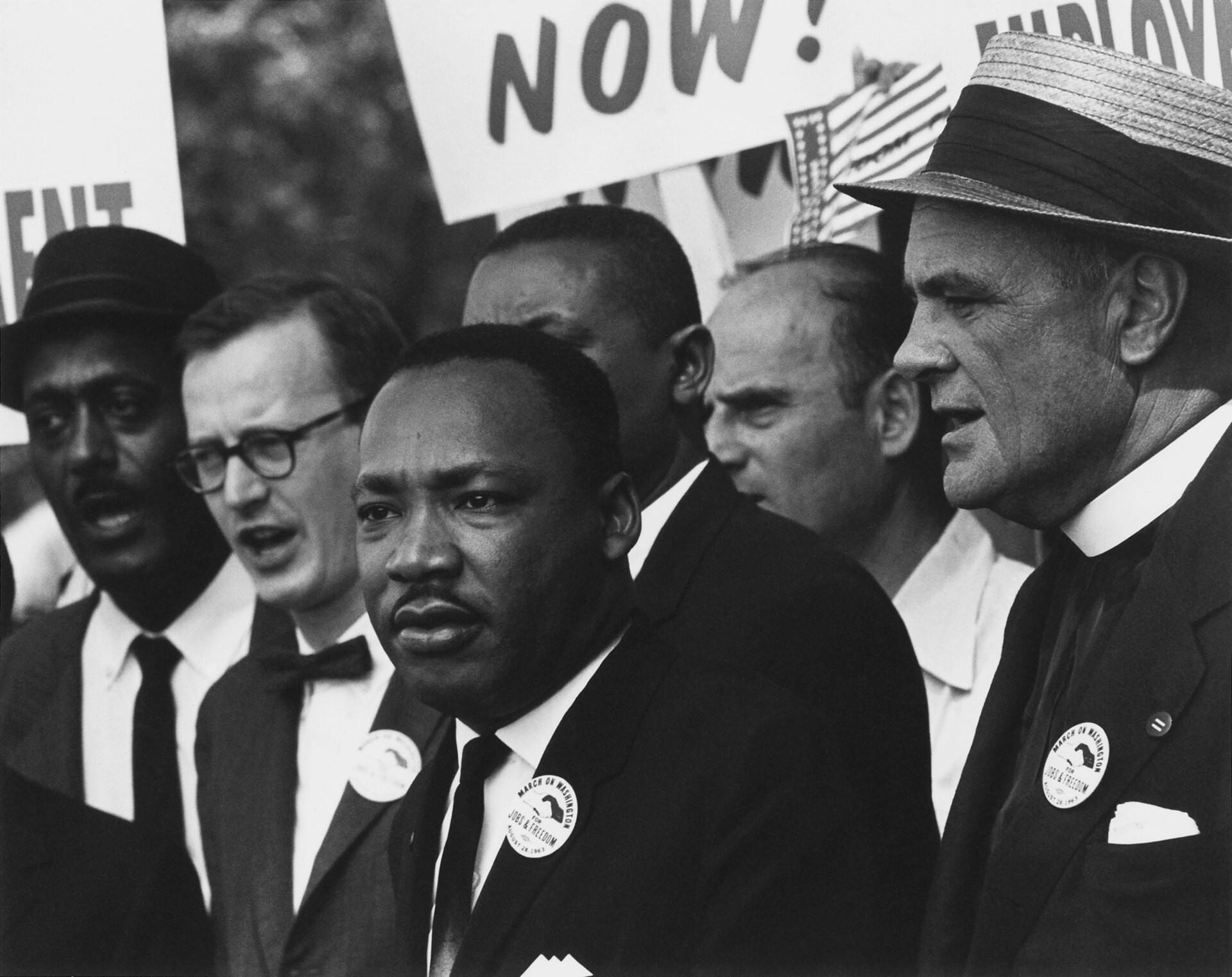
Photo by Johns Hopkins University
Key Takeaways:
- Dr. Mukherjee was inspired by a former U.S. Surgeon General at Dartmouth and pursued public health.
- He launched the Peace Education Program at Hopkins during the pandemic.
- The free, online 10-week course helps cultivate inner strength, self-reflection, and trust.
- The program expanded to underserved communities across Baltimore.
- Mukherjee emphasizes humanism and mentorship as essential parts of medical practice.
The Path to Neurosurgery
Dr. Debraj “Raj” Mukherjee’s path to neurosurgery began at Dartmouth, where he discovered an interest in public health under the guidance of a former U.S. Surgeon General. This early mentorship opened his eyes to broader health issues and the ways in which a surgeon could make a difference not just in the operating room but in the larger community.
Influences at Hopkins
In 2007, Mukherjee arrived at the Hopkins School of Public Health as a Sommer Scholar, immersing himself in research and clinical practice. A personal connection drew him specifically to neurosurgery after a family member was diagnosed with a brain tumor. Encouraging figures like Dr. Alfredo Quiñones-Hinojosa supported Mukherjee’s growing desire to blend surgical skill with a commitment to serving others. Specialty training at Cedars-Sinai and the University of Pittsburgh further deepened his expertise, eventually bringing him back to Hopkins as a faculty member.
Launching the Peace Education Program
About seven years ago, Mukherjee introduced the Peace Education Program at Hopkins. At the height of the pandemic, he noticed how isolation was affecting the staff and students around him. The initiative was designed as a free, virtual 10-week course, offering weekly hour-long sessions that feature short lectures, interviews, and audiovisual elements. The remaining time is reserved for self-reflection and guided journaling. As Mukherjee describes it, these gatherings aimed to counter isolation by helping people feel “more connected to each other.”
Bringing Peace to Baltimore
Once the benefits became evident within Hopkins, Mukherjee sought to expand the program’s reach citywide. Backed by grants, he partnered with local community centers to offer sessions at no cost to participants, including recently incarcerated women looking for a path to wellness and reintegration. The continued growth of the Peace Education Program reflects Mukherjee’s vision of making holistic well-being accessible to all.
Challenges and Rewards
Despite its success, introducing a non-traditional health initiative had its obstacles. Mukherjee recalls initial skepticism from peers wary of a surgeon spearheading a free community course. Securing the time and resources to accommodate a diverse range of participants posed an additional hurdle. Over time, however, feedback from participants—who expressed new perspectives on their own worth and life’s purpose—fueled Mukherjee’s drive to keep the program thriving.
Mentorship and Expanding Vision
Mukherjee believes future physicians can benefit from mentors who defy conventional boundaries between research and social justice. He points out that it can be easy to discern someone’s research credentials, but identifying their dedication to community work often requires deeper personal connections. Throughout his career, he has consistently looked for ways to “engage in meaningful work outside of the norm”—an inspired approach made possible by well-rounded mentors.
A Human Touch in Surgery
Though neurosurgery demands precision, Mukherjee emphasizes that humanism underpins his practice. He notes that, moment to moment, the technical nature of an operation doesn’t often lend itself to overt empathy. Yet having a deep sense of compassion and responsibility for a patient’s life stands as a critical element of surgical success. In his view, a surgeon must first be a human being—capable of offering not just treatment but understanding.
Building a Foundation for Wellness
Mukherjee’s ultimate hope is to help people find “a foundation of health and wellness” so that they can pursue their own joy. Recognized with the 2025 Rev. Martin Luther King Jr. Award for Community Service, he plans to expand the Peace Education Program even further, continuing to merge cutting-edge neurosurgery with the timeless principles of empathy and unity.