As Maine grapples with a tight housing supply, modular construction promises a fresh alternative. Prefab options, ranging from large homes to compact ADUs, are stepping in where traditional housing falls short.
Subscribe
Affordable Housing
Market Trends
Modular construction, big or small, fills a hole in Maine’s housing market

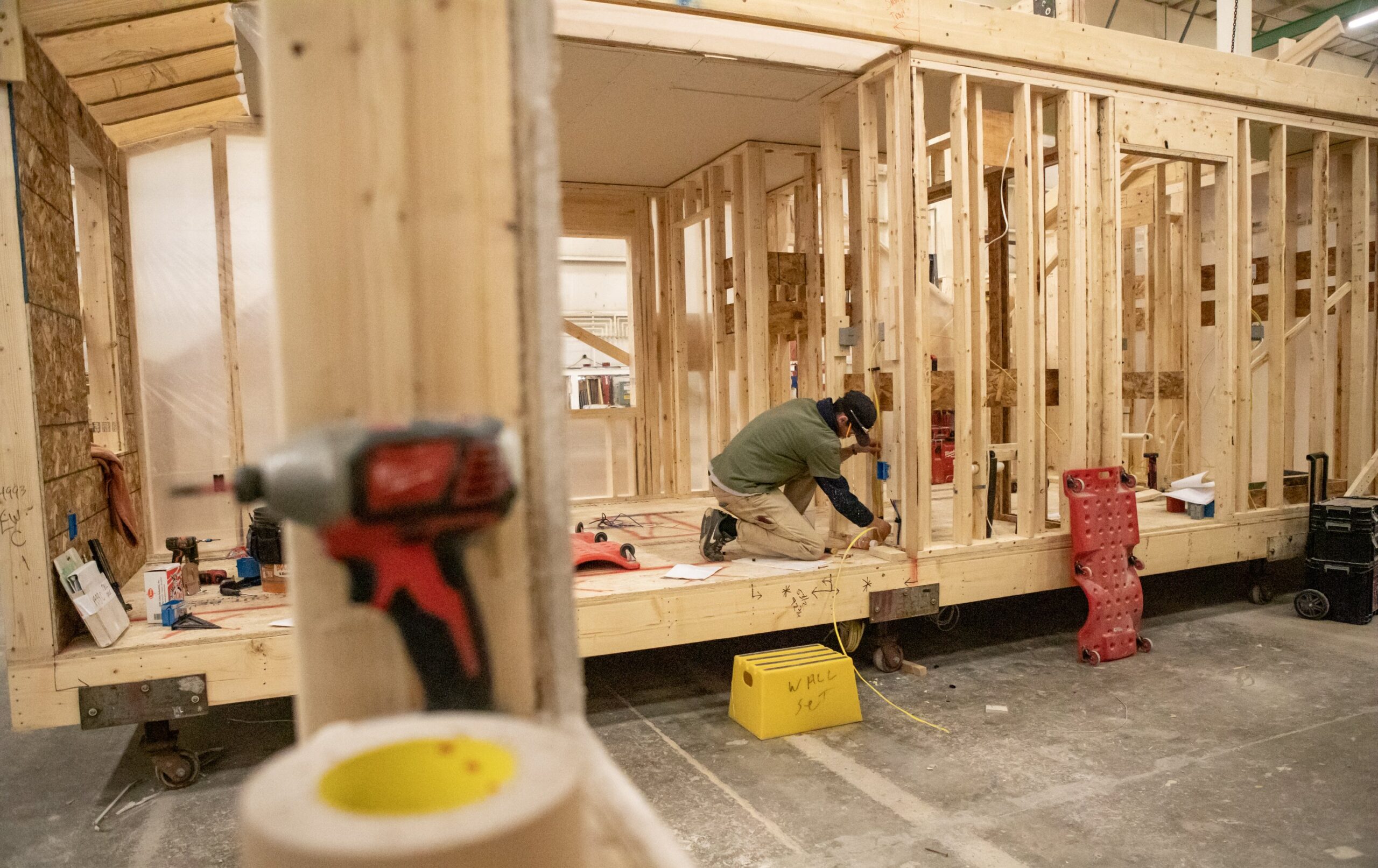
Photo by Lewiston Sun Journal
Key Takeaways:
- Modular methods help overcome Maine’s housing shortfalls
- Prefab homes offer multiple sizes and configurations
- ADUs and energy efficiency emerge as critical features
- Maine’s existing housing stock often doesn’t meet buyer needs
- Lewiston Sun Journal covers this trend in its business section
The Housing Challenge in Maine
Maine’s real estate market faces a shortfall in available homes that truly fit the needs of prospective buyers. Traditional listings can be scarce or fail to meet modern expectations, prompting residents and developers to seek creative, cost-effective approaches.
How Modular Construction Fills the Gap
When existing homes “don’t quite fit the bill,” some Mainers are turning to prefabricated structures. Modular construction allows prospective owners to choose designs that match their preferences while speeding up the building process. The ability to build offsite and deliver a ready-to-assemble unit streamlines projects—especially helpful when local contractors are busy or material costs fluctuate.
Focus on ADUs and Energy Efficiency
A major draw for many homeowners lies in accessory dwelling units, or ADUs. These smaller, secondary structures can be added to existing properties, offering either extra living space or an additional revenue stream. Prefab designs also increasingly emphasize energy efficiency, incorporating features that lower utility costs and reduce a home’s environmental impact.
An Evolving Market Opportunity
By turning to modular and prefab options, Maine’s construction industry and homeowners alike are discovering a method that can respond more directly to urgent housing demands. As the market continues to adapt, this approach may open new doors for those seeking a well-built, efficient residence—even in areas with challenging building conditions or minimal on-site resources.