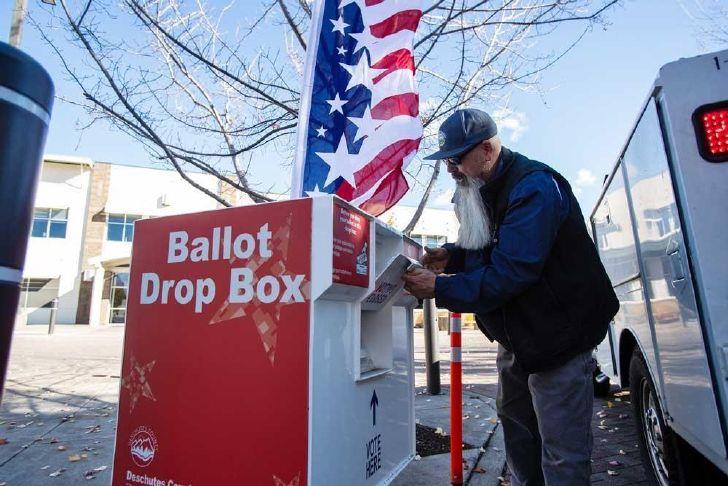
Fort Hall’s 2,400 households mostly lack high-speed internet, highlighting a stark digital divide. This gap illustrates how limited connectivity can hinder access to vital health information and services.
Subscribe
Analysis and Opinions
Policy Analysis
More proof: Internet gaps create health gaps


Photo by Dnews
Key Takeaways:
- Fort Hall’s roughly 2,400 households struggle without broadband.
- Lack of high-speed internet can lead to reduced health resources.
- Digital divides often overlap with other social inequalities.
- Northwest internet infrastructure remains inconsistent.
- Improving connectivity could promote better health outcomes.
Fort Hall’s Connectivity Challenge
Fort Hall is home to about 2,400 households, nearly all of which lack reliable, high-speed internet access. This situation reveals just how severe the digital divide can be in certain parts of the country. With most residents living offline, the barriers to online services—from health portals to telemedicine—are becoming ever more evident.
Linking Internet and Health
Internet access is more than a convenience; it can be a lifeline for health-related resources. Communities that lag in broadband connectivity often face obstacles in obtaining up-to-date medical information or scheduling remote consultations. In a place like Fort Hall, the absence of reliable internet can mean missed opportunities for preventive care and delayed access to crucial health data.
A Widening Gap
The limited connectivity in Fort Hall underscores broader internet gaps across the Northwest. While some areas enjoy full broadband coverage, others remain underserved. This disparity mirrors existing inequalities within many regions, with digital exclusion often compounding other social and economic challenges.
Toward More Equitable Access
Ensuring equitable broadband coverage is frequently cited as a key step in addressing modern health challenges. By improving internet infrastructure, communities like Fort Hall could gain better access to telehealth options and crucial online resources. As more health services migrate to digital platforms, bridging the digital divide may prove vital for closing the health gap.