A majority of your property tax bill in Austin goes to public safety. From union contracts to state mandates, discover the key factors behind the city’s sweeping investment in police, fire, and EMS services.
Subscribe
Policy Analysis
Property Tax
Most of your Austin property taxes go to public safety. Here’s why.

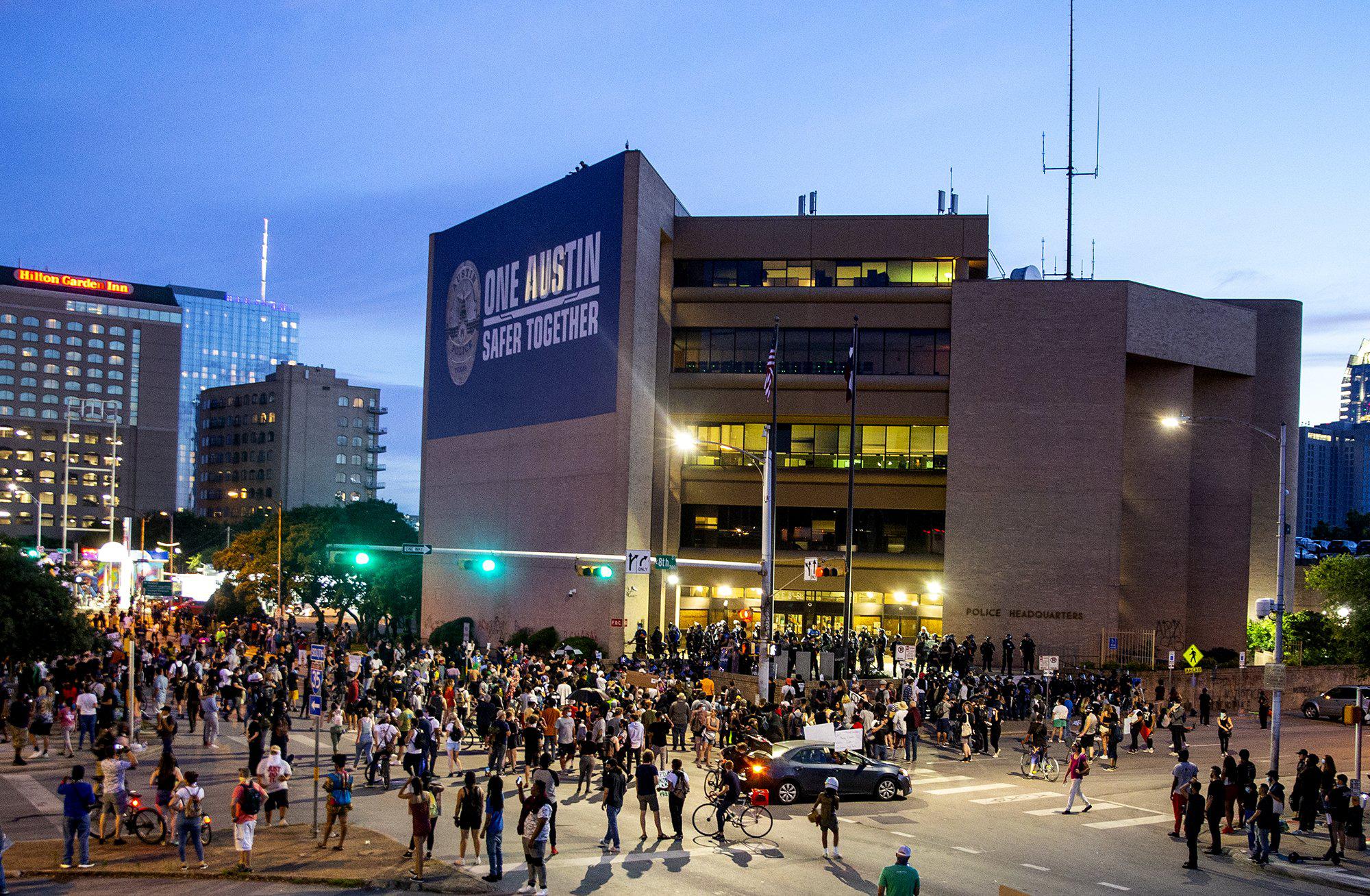
Photo by Austin American-statesman
Key Takeaways:
- Public safety dominates Austin’s property tax-supported budget.
- Labor agreements with organizations like the Austin Police Association guide spending decisions.
- Legislation such as Senate Bill 2 limits how the city raises and allocates funds.
- Local politics and governance also influence how tax dollars are spent.
- The Austin Police Department, Fire Department, and EMS are key beneficiaries of these funds.
Public Safety at the Forefront
Most of your Austin property taxes funnel directly into public safety. According to reporting on the city’s budget, spending on services like police, fire protection, and emergency medical services exceeds all other tax-supported categories combined.
Who Benefits From the Budget
The Austin Police Department, Austin Fire Department, and Emergency Medical Services receive the largest share of the city’s property tax revenue. This budgetary focus underscores Austin’s commitment to maintaining robust emergency services. The city’s leaders have consistently placed these programs at the core of their spending priorities.
The Legal Context: Texas State Law
State legislation plays a pivotal role in shaping Austin’s budgeting decisions. Senate Bill 2, passed by the Texas Legislature, restricts municipalities from raising property taxes above certain thresholds without triggering additional voter oversight. This places constraints on how much funding can be directed toward city services, including public safety.
Union Contracts and Negotiations
Labor agreements, most prominently with the Austin Police Association, also influence how the city allocates its resources. The terms of these contracts, negotiated between union representatives and city officials, can determine salary structures, benefits, and overall departmental budgets—ultimately impacting the final property tax bill.
Politics Behind the Numbers
Beyond just state law and contracts, local politics in Austin shape budgetary decisions. Elected officials at Austin City Hall balance the community’s immediate safety needs with calls for fiscal responsibility and other civic priorities. The interplay of these forces can adjust the scales of funding year over year.
Why Public Safety Remains Top Priority
City officials often cite the importance of dependable emergency services as justification for maintaining or increasing police, fire, and EMS budgets. By prioritizing public safety above other categories, Austin’s leadership underscores the fundamental role these services play in preserving a sense of security for residents across the city.