Nigeria has imposed a six-month ban on the export of raw shea nuts, a key ingredient in the cosmetics market. Government officials say it’s a step designed to protect local producers and grow the economy.
Subscribe
Export-Import Trends
Policy Analysis
Sub-Saharan Africa
Nigeria bans exports of raw shea nuts used for cosmetic products to help grow local economy

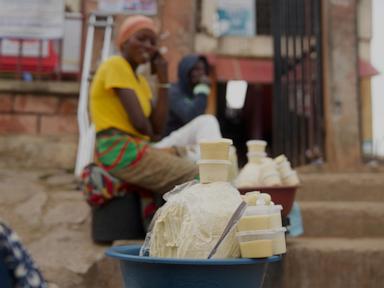
Photo by Abc News
Key Takeaways:
- Nigeria imposed a six-month ban on raw shea nut exports
- Shea nuts are critical to the production of cosmetic products
- The ban aims to boost the nation’s local economy
- The policy was officially announced on August 28, 2025
- The measure was reported by ABC News
Introduction
Nigeria has taken the notable step of prohibiting raw shea nut exports for six months. The government announced this policy to protect local industries that rely on shea nuts for essential revenue.
The Ban and Its Objectives
This six-month ban directly affects a commodity widely used in the global cosmetic industry. Officials say the ruling is designed not only to preserve Nigeria’s resource but also to channel its benefits into the local economy. By restricting overseas sales, the government hopes to encourage domestic production and strengthen local businesses.
Shea Nuts in the Global Cosmetic Industry
Shea nuts are coveted for their natural oils, which are used in a wide variety of skincare and haircare products. With high demand among international beauty brands, this resource has been a lucrative export for Nigeria. The new ban, however, places a temporary hold on the outbound flow of raw shea nuts to re-focus on adding value at home.
Economic Implications
By controlling raw exports, Nigeria’s leaders expect to fuel local manufacturing and promote job creation. Small- and medium-sized enterprises in the cosmetic sector could potentially benefit from the new policy. While some exporters may experience short-term loss of revenue, the government asserts that the long-term gains will strengthen domestic supply chains and increase global competitiveness.
Outlook
At the close of the six-month period, government leaders are expected to review the policy’s effectiveness. Observers anticipate new regulations or potential extensions of the ban depending on economic outcomes. For now, Nigeria remains intent on leveraging a vital local resource to support its economy and build a stronger position in the global cosmetics market.