They called it “For Super Players,” and they weren’t kidding. The original Japanese version of Super Mario Bros. 2, known as The Lost Levels, delivered a level of challenge that kept it out of Western hands for years—until it became the stuff of legends.
Subscribe
Industry News
Nintendo Had The Hottest Game On Earth. Then It Rejected The Sequel.

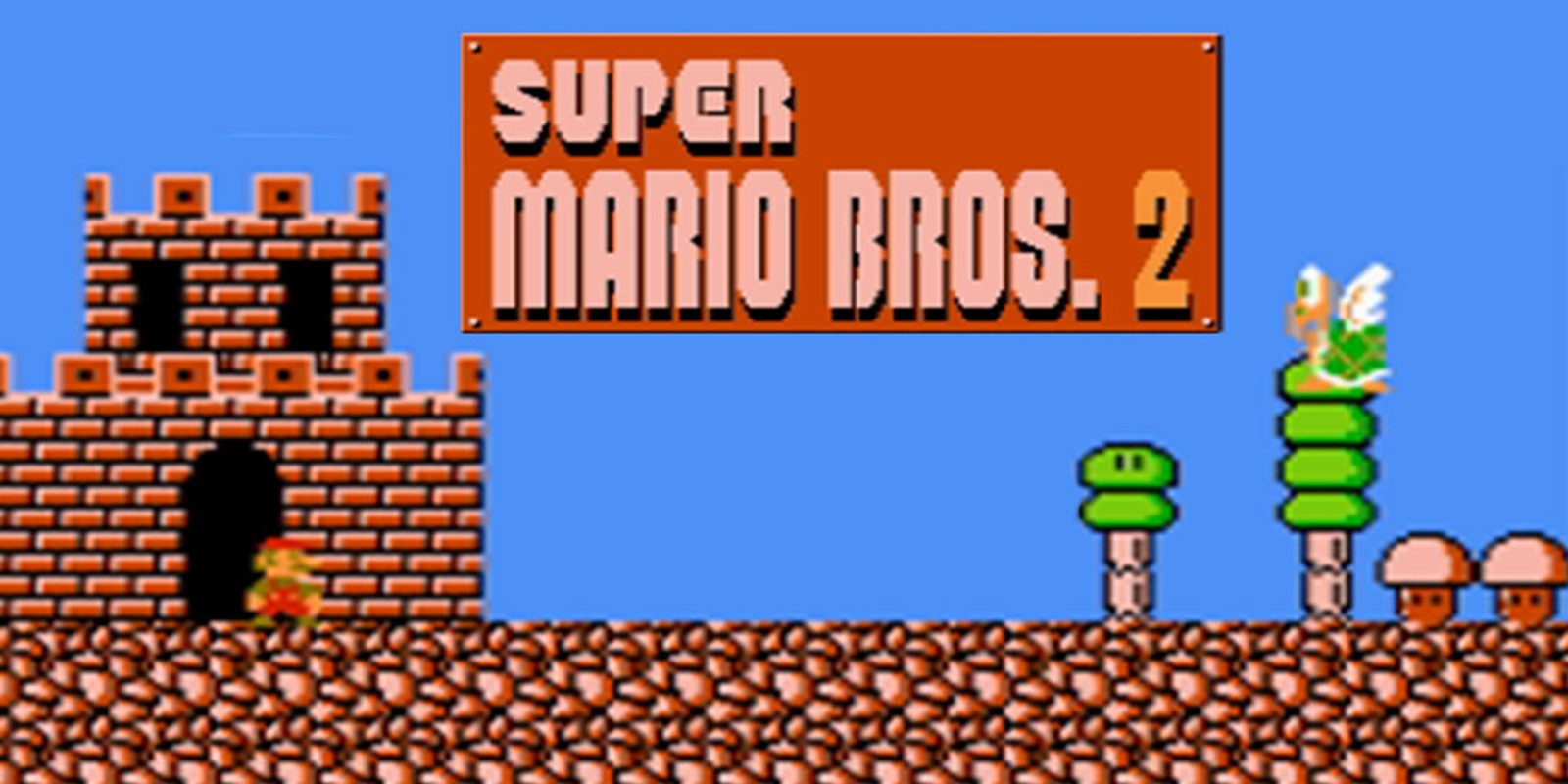
Photo by Gamespot
Key Takeaways:
- Super Mario Bros. 2 (The Lost Levels) debuted on June 3, 1986, in Japan for the Famicom Disk System.
- It offered a punishing difficulty, with harmful mushrooms, sudden wind gusts, and tricky warp zones.
- Nintendo of America refused to release it initially, deeming it too difficult and unpolished.
- Western audiences eventually got a different “Super Mario Bros. 2,” adapted from an unrelated game.
- The original version finally reached global fans in 1993 via Super Mario All-Stars.
The Sequel Arrives in Japan
On June 3, 1986, Nintendo released Super Mario Bros. 2 for the Famicom Disk System in Japan. The new game was built on the same engine as the original Super Mario Bros. and promised more of the platforming fun that had made its predecessor a worldwide phenomenon—only this time, the challenge level was dialed up to “For Super Players.”
An Exercise in Challenge
While the core gameplay stayed largely the same, several design elements pushed frustration—and skill requirements—to new heights. Deadly poisonous mushrooms replaced the usual power-ups in certain spots, sudden gusts of wind messed with Mario and Luigi’s jumps, and trampolines launched players almost uncontrollably skyward. To compound the difficulty, warp zones sometimes sent you backward instead of propelling you forward. Luigi was newly selectable, jumping higher yet proving slippery to control. For the most fearless fans, however, the hazards simply underscored Nintendo’s commitment to testing player skills.
The Reaction from Nintendo of America
At the time, Nintendo of America was building strong momentum in North America with the NES. Product evaluator Howard Phillips received a shipment of games from Japan to consider for release. Super Mario Bros. 2 was among them—and Phillips was stunned by how unwelcoming it felt compared to other emerging hits like Castlevania and Ninja Gaiden. In his recollection, he found the leaps of faith punishing rather than fun, leading him to advise against releasing this version in the West. His impressions carried enough weight that Nintendo of America chose to keep the title under wraps.
A Different Path in the West
Faced with the question of how to maintain Mario’s popularity internationally, Nintendo of America opted to localize a different game with Mario characters. That version—known in Japan as a tie-in for another event—became the Super Mario Bros. 2 that Western gamers grew up with. Meanwhile, the Japanese SMB2 continued to flourish as a commercial success, moving over 2.5 million disks—solid proof that difficulty alone did not deter Japanese fans.
Legacy and Belated Global Release
For years, this Japanese sequel existed only in gaming magazines and hearsay outside its homeland. It wasn’t until 1993’s Super Mario All-Stars compilation on the Super NES that American and European players officially experienced the so-called Lost Levels. In retrospect, it set a precedent: Even if a title was a blockbuster in Japan, it wasn’t guaranteed a Western release without passing Nintendo of America’s rigorous evaluation. Today, thanks to re-releases and digital services, the original Super Mario Bros. 2 is no longer “lost,” but it remains a stone-cold reminder of the lengths Nintendo once went to challenge—and surprise—its audiences.











