A wave of auroras is forecast to light up skies from Alaska to Illinois, giving 18 states a rare chance to see the Northern Lights this weekend. These stunning displays are linked to multiple coronal mass ejections and fast solar wind currently impacting Earth’s atmosphere.
Subscribe
Breaking News
Northern lights may be visible in 18 states tonight and over the weekend

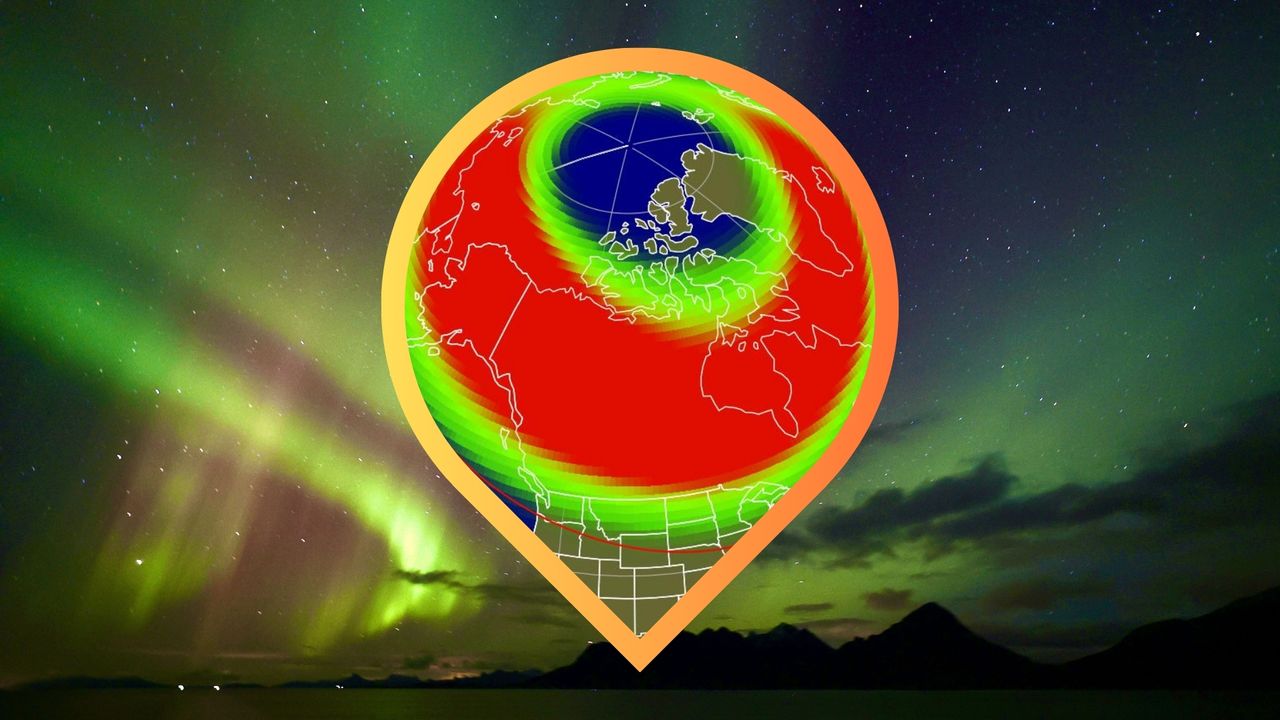
Photo by Space
Key Takeaways:
- Northern Lights are predicted to be visible in 18 states.
- The displays may occur tonight and continue over the weekend.
- Coronal mass ejections and fast solar wind are driving the aurora’s intensity.
- Observers could spot auroras from Alaska to Illinois.
- This timing offers a rare opportunity for many lower-latitude skywatchers.
The Aurora Phenomenon
Auroras, commonly called the Northern Lights, occur when charged solar particles collide with Earth’s upper atmosphere and create vibrant light displays. According to new reports, the lights may shine across an unusually large swath of the country—from Alaska’s northern reaches down to Illinois.
Why the Lights Are Stronger Now
Several coronal mass ejections (CMEs), massive bursts of solar plasma, have combined with high-speed solar wind streams. These solar events intensify Earth’s geomagnetic activity. As a result, the auroras could glow in regions that rarely witness such cosmic spectacles.
Expected Visibility Across 18 States
Forecasters suggest that up to 18 states could catch a glimpse of these dancing lights. This expanded range means that communities typically too far south to enjoy regular aurora displays may get a chance this weekend. Seeing the Northern Lights at these latitudes stands out as a special event for skywatchers who seldom get the opportunity.
Preparing for the Show
For the best viewing experience, enthusiasts are encouraged to find dark, open skies away from city lights. Clear weather conditions are always helpful, and patience is key—auroras can come and go in waves, so staying vigilant throughout the evening hours could pay off.
A Brief Window of Opportunity
The displays are expected to peak tonight and continue into part of the weekend, making for a narrow timeframe. This sudden burst of solar activity underscores how unpredictable and dynamic our Sun can be. If the skies cooperate, observers in many parts of the country could witness a breathtaking cosmic dance overhead.