In the aftermath of the deadly 1995 heat wave, Chicago transformed its emergency response approach, leading to the creation of the Office of Emergency Management and Communications. Here’s how the city has evolved and why the OEMC remains critical today.
Subscribe
Analysis and Opinions
Policy Analysis
OEMC, cooling centers, AC and more: What’s changed since the deadly 1995 Chicago heat wave

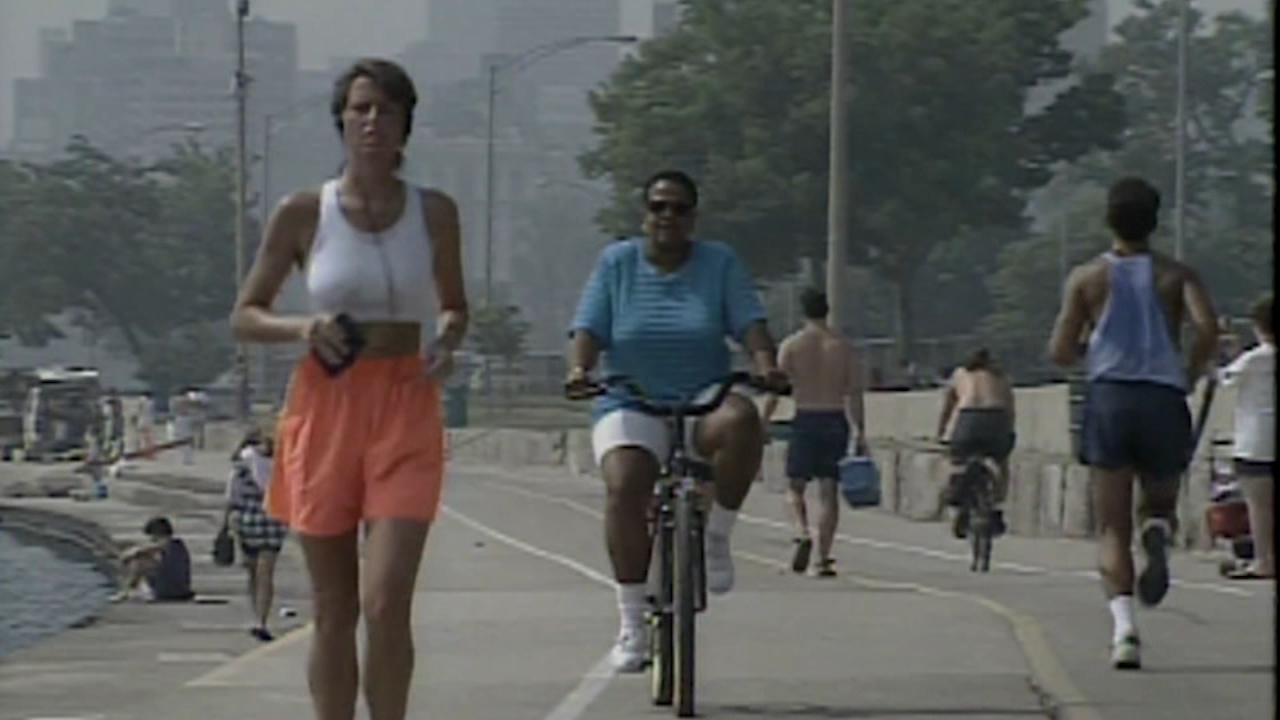
Photo by Abc7 Chicago
Key Takeaways:
- The 1995 Chicago heat wave prompted significant changes in emergency response systems.
- Development of the Office of Emergency Management and Communications (OEMC) was a direct result of the tragedy.
- Improvements in cooling centers and access to air conditioning have been made since 1995.
- The OEMC remains a critical component of Chicago’s infrastructure today.
- ABC7’s investigation sheds light on the lasting impact of the heat wave on city policies.
From Tragedy to Action: The Birth of Chicago’s OEMC
Introduction
In July 1995, a deadly heat wave engulfed Chicago, leading to one of the most devastating natural disasters in the city’s history. Temperatures soared, and the lack of adequate emergency response systems resulted in a tragic loss of life. This catastrophe became a catalyst for change, prompting Chicago to reevaluate and overhaul its approach to emergency management.
The Devastation of 1995
The severity of the heat wave took the city by surprise. Residents, especially the elderly and those without access to air conditioning, suffered as temperatures climbed to unbearable levels. The city’s infrastructure was ill-prepared, and the existing emergency services were overwhelmed by the scale of the crisis.
Creation of the OEMC
In response to the shortcomings exposed by the heat wave, city officials recognized the urgent need for a centralized emergency management system. “ABC7 took a closer look at how the tragedy led to the development of the city’s Office of Emergency Management and Communications,” reported John Garcia. The OEMC was established to unify the city’s emergency responses, ensuring better coordination among various agencies and more efficient communication during crises.
Advancements in Cooling Centers and Air Conditioning
One of the critical improvements since 1995 has been the expansion of cooling centers throughout Chicago. These centers provide safe, air-conditioned environments for residents during extreme heat. Additionally, efforts have been made to increase access to air conditioning in homes, particularly for vulnerable populations who are most at risk during heat waves.
The OEMC’s Role Today
“The OEMC remains critical today,” highlighting its ongoing importance in safeguarding the city. The office is responsible not only for coordinating responses to severe weather but also for handling emergencies ranging from public health crises to security threats. Its existence reflects Chicago’s commitment to being proactive rather than reactive in the face of potential disasters.
Conclusion
The lessons learned from the 1995 heat wave have had a lasting impact on Chicago’s policies and infrastructure. By investing in organizations like the OEMC and enhancing resources such as cooling centers, the city has turned a tragic event into a foundation for resilience and preparedness. Reflecting on past challenges continues to shape a safer future for all Chicagoans.











