Key Takeaways:
• The postal system is “effectively bankrupt.”
• Mail delivery is “increasingly erratic.”
• Further cutbacks are on the horizon.
• Rural and small-town America stands to suffer the most.
• Centralized control remains a point of contention in U.S. governance.
The Postal System Under Strain
The American postal system, once a symbol of reliable nationwide communication, is now confronting a severe financial crisis. According to the original report, “The postal system is effectively bankrupt,” raising concern about whether it can continue to meet public demands. Budgetary shortfalls and diminished revenue streams have intensified the strain, casting uncertainty on future operations.
Erratic Delivery Challenges
In addition to looming insolvency, day-to-day logistics have become problematic. “Mail delivery is increasingly erratic,” suggests widespread inconsistencies in how and when people receive their correspondence. Whether it’s personal letters, important documents, or critical medications, these delays can create substantial headaches for businesses and households alike.
Impact on Rural and Small-Town America
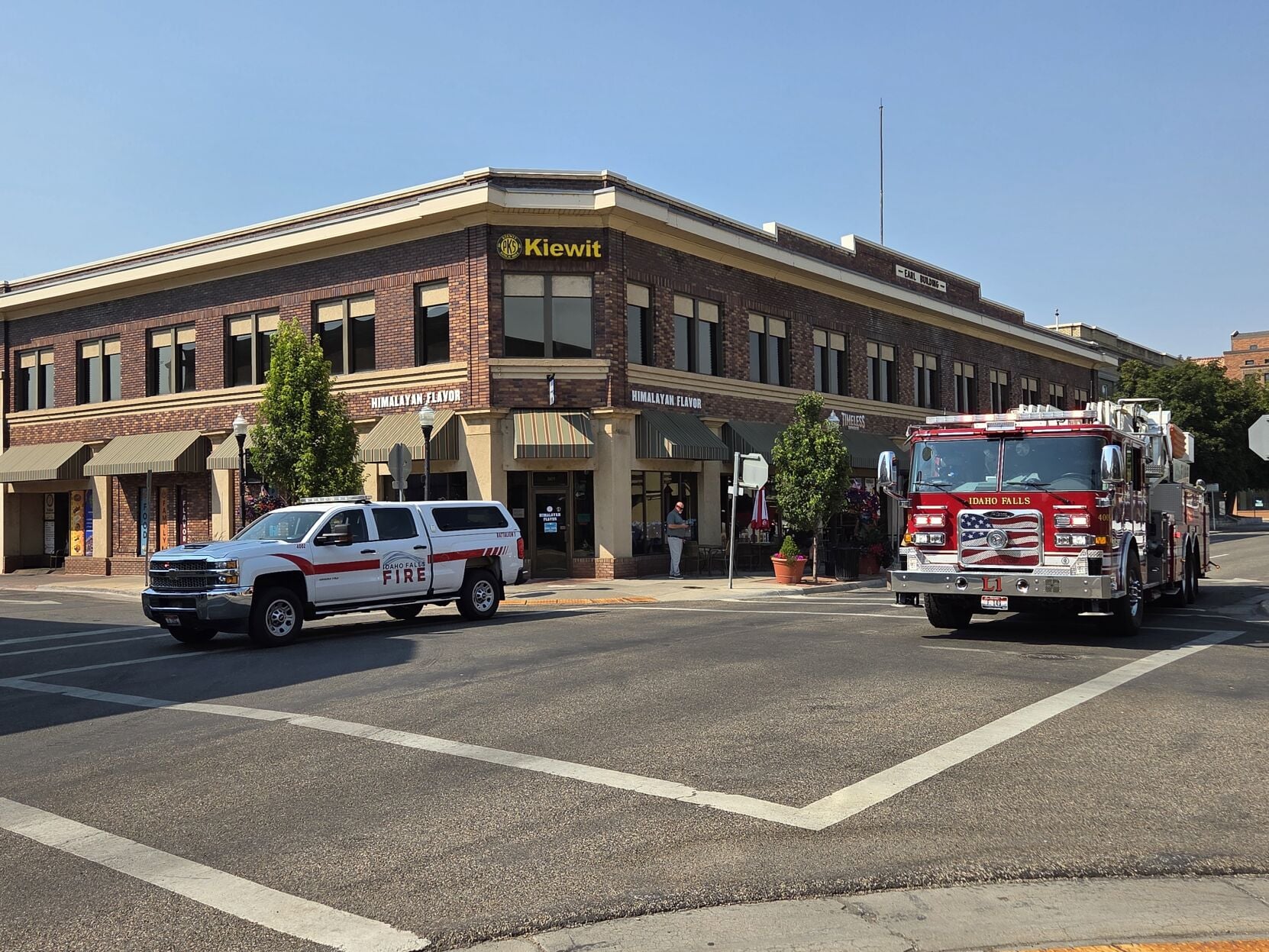
Rural regions and smaller towns, already at a disadvantage due to their geography, may face the harshest consequences. A crucial detail in the article reads: “More cutbacks are likely, especially in rural and small-town America.” As resources dwindle and routes are trimmed, thousands of residents in remote areas could lose dependable mail services. Disruptions to commerce, agriculture, and everyday communication become major concerns.
The Debate Over Centralized Control
Beyond just finances and delivery schedules, the piece highlights a broader issue: “OPINION: Centralized control is not the US way.” This contention underscores the tension between broad federal oversight and localized autonomy. Critics argue that managing postal operations solely from the top down may lead to inefficiencies, especially in regions already under strain. With a history rooted in community-based services, many Americans question if centralized solutions align with the country’s longstanding values.
| Potential Impact of Cutbacks on Communities |
|---|
| ——————————————— |
| Rural Areas |
| Small-Town Businesses |
Looking Ahead
As discussions continue over the post office’s future, the question of how best to maintain an essential public service remains central. While budget shortfalls and operational hiccups have been building for years, the stakes have never been higher for residents relying on timely mail. Whether a new model or a revamped oversight structure emerges, many stakeholders agree on one point: A functioning postal system is critical to sustaining equitable access and commerce across all corners of the nation. “`