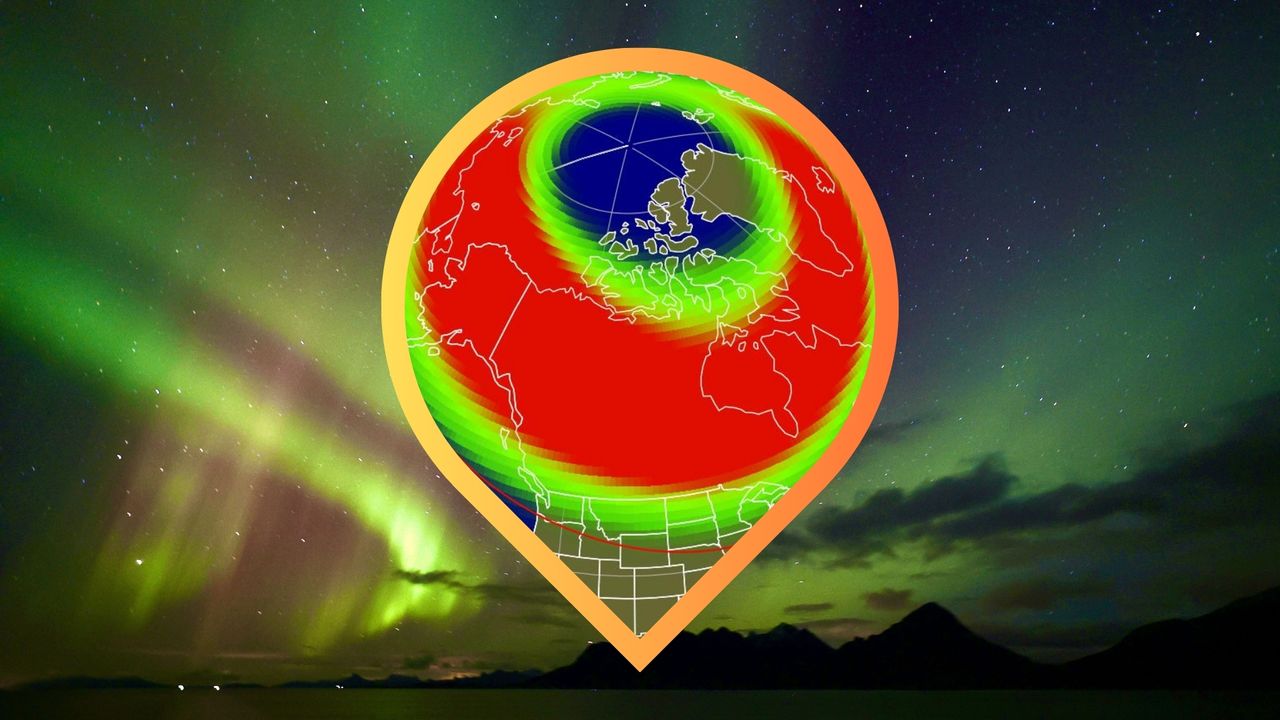
A new federal report finds that the Arctic is warming at a faster rate than the rest of the planet. Glaciers are melting, fish species are drifting to cooler waters, and in some regions, rivers are turning an unmistakable shade of orange.
Subscribe
Global Warming Effects
Orange rivers and melting glaciers: federal report shows rapid change in the Arctic

Key Takeaways:
- The northernmost part of Earth is warming faster than the global average.
- NOAA’s Arctic Report Card highlights melting glaciers and shifting fish populations.
- Some Arctic rivers have recently taken on an orange hue.
- Published annually, the report underscores the region’s accelerating changes.
The Rapid Warming Trend
The National Oceanic and Atmospheric Administration (NOAA) releases its Arctic Report Card every year to track changes in the northernmost reaches of our planet. This year’s findings reveal the Arctic is warming at a pace that outstrips global averages. Scientists point to this trend as evidence of an ongoing and accelerating shift in the region’s climate.
Visible Environmental Changes
One of the most striking signs of these changes is the orange tint in some Arctic rivers, a phenomenon documented by scientists collecting field data. Alongside this unusual coloration, rapidly melting glaciers underscore how the region’s ice is no longer as stable as it once was. Fish populations are also on the move, migrating to cooler waters as their preferred habitats shift northward.
NOAA’s Annual Report Card
In its annual assessment, the NOAA Arctic Report Card serves as a snapshot of the environmental conditions in the Arctic, providing insights into the pace of melting ice and evolving ecosystems. These findings help scientists and policymakers gauge the scale of climate change impacts in real time.
Key Observations Table
| Parameter | Observation |
|---|---|
| Warming Rate | Faster than the global average |
| Glacier Health | Signs of increased melting |
| Fish Populations | Shifting habitats further north |
| River Color | Some rivers turning orange |
Looking Ahead
As conditions in the Arctic continue to evolve, experts stress the importance of monitoring these changes closely. NOAA’s findings highlight how interconnected the region’s ecology is—with each shift in temperature or wildlife distribution hinting at broader global impacts. By understanding what is happening now, researchers and policymakers can better prepare for the consequences of a rapidly changing Arctic.