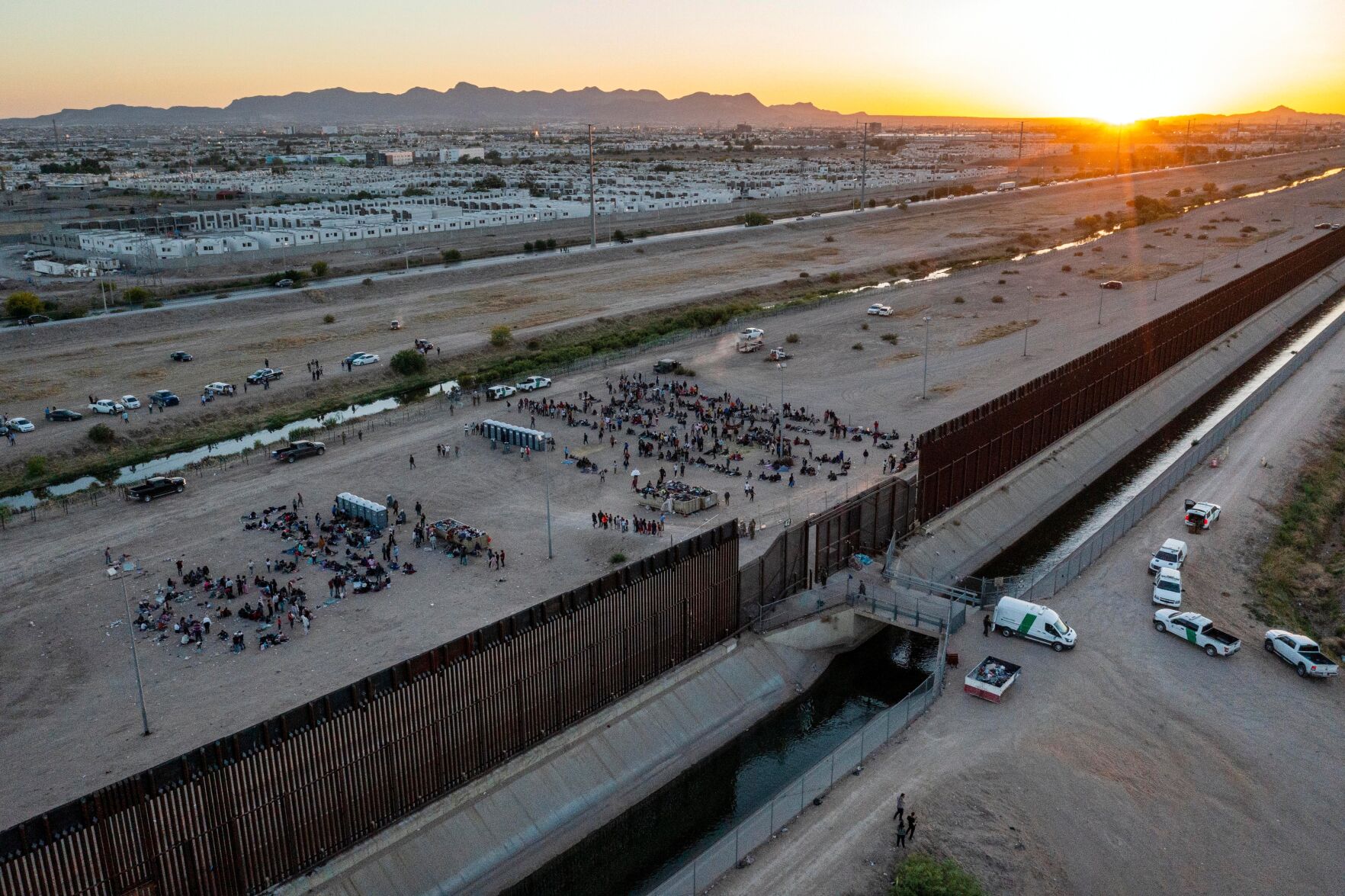
Several county jails in Pennsylvania are earning millions of dollars by detaining immigrants on behalf of ICE—an arrangement now under renewed scrutiny as the president’s mass deportation campaign intensifies. Officials from these counties face questions about both the ethics and the financial incentives linked to holding detainees.
Subscribe
Analysis and Opinions
Policy Analysis
Pa. county jails earn millions of dollars detaining immigrants for ICE

Key Takeaways:
- Pennsylvania counties and ICE have formed lucrative detention partnerships.
- Local jails earn “millions of dollars” detaining undocumented immigrants.
- These contracts are now drawing attention due to a mass deportation campaign.
- Critics question the role of local jails in federal immigration enforcement.
- The story was published by the Daily Item on April 6, 2026.
Pennsylvania’s Jails and the ICE Connection
Across Pennsylvania, local jail officials have partnered with Immigration and Customs Enforcement (ICE) to detain immigrants. According to a news feed from Daily Item, these agreements have attracted new attention as the president carries out a large-scale deportation initiative.
Financial Rewards for Local Lockups
A key detail emerging from the original report is that these county jails are earning “millions of dollars” by housing federal detainees. While the exact figure remains undisclosed, the news feed underscores that the financial windfall for local governments is at the heart of ongoing discussions about the morality and practicality of holding immigrants.
The President’s Deportation Push
The renewed scrutiny aligns with the White House’s intensified deportation campaign. In Pennsylvania, this has focused a spotlight on how ICE contracts funnel federal money to jails in exchange for holding undocumented individuals. Many commentators note the broader national theme: local institutions playing a significant role in the federal government’s approach to immigration enforcement.
What the Public is Saying
The partnerships between Pennsylvania’s county jails and ICE are drawing mixed reactions from the community. Some view the arrangements as a means for financially constrained counties to bolster their budgets. Others raise questions about due process, human rights, and the ethical implications of profiting from the detention of immigrants. As the attention grows, these deals are poised for deeper scrutiny in both local and national conversations about immigration policy.