In Harrisburg, three Republican state representatives are proposing a bill to legalize the castration of convicted child sex offenders. This controversial measure aims to tighten punishments for crimes involving minors, sparking new debate about the legal system’s response to child protection.
Subscribe
Breaking News
Policy Analysis
Pa. reps propose bill for castration of child predators

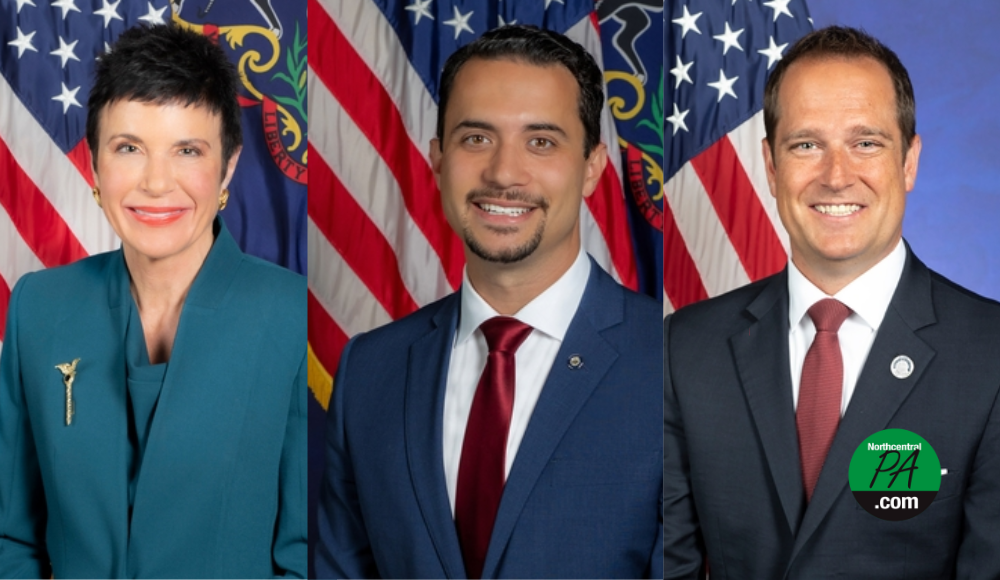
Photo by Greenevillesun
Key Takeaways:
- Three Republican lawmakers have introduced a castration bill.
- The proposed legislation targets convicted child sex offenders.
- The plan originates in Harrisburg, Pennsylvania.
- Support from fellow legislators is being sought to move the bill forward.
- The measure prompts questions about how far the justice system should go to protect minors.
The Proposal in Brief
In Harrisburg, Pennsylvania, three Republican state representatives are calling for significant measures against those convicted of child sex offenses. Their proposal: legalize the castration of convicted child sex offenders. Announced on January 31, 2026, this plan aims to introduce more severe punishments for criminals who target children.
Urging Colleague Support
The Republican representatives behind the initiative are urging fellow legislators to join their mission. While specific details of the proposal have not been made widely available, the heart of the effort is a firm belief that the punishment should match the gravity of child-related crimes. By underscoring the potentially devastating effects of sexual offenses on minors, supporters hope to galvanize broader momentum.
The Broader Debate
Unsurprisingly, the suggestion of castration as a legal punishment sparks heated discussion. Advocates contend it deterrent value may help safeguard children by preventing repeat offenders from reoffending. Meanwhile, critics are likely to question whether such an extreme sentence infringes on ethical or constitutional boundaries. As the legislation makes its way through the Pennsylvania statehouse, observers across the nation will be watching closely to see whether the measure gains traction—and how it shapes the conversation around child protection.