Defense Secretary Pete Hegseth invoked the “fog of war” in justifying a follow-up strike on a suspected drug-carrying boat in the Caribbean Sea. The operation, discussed during a White House Cabinet meeting on Tuesday, highlights the intense uncertainties faced by military officials making real-time calls.
Subscribe
Breaking News
International Politics
Page A1 Segment-3


Photo by The Sentinel
Key Takeaways:
- A White House cabinet meeting occurred on Tuesday, bringing top officials together to discuss national security matters.
- Defense Secretary Pete Hegseth cited the “fog of war” in his defense of a follow-up strike.
- The strike targeted an alleged drug-carrying boat in the Caribbean Sea.
- Officials emphasized the complexities surrounding quick military decisions.
- The news was reported from Washington, attributing details to an Associated Press release.
White House Cabinet Meeting
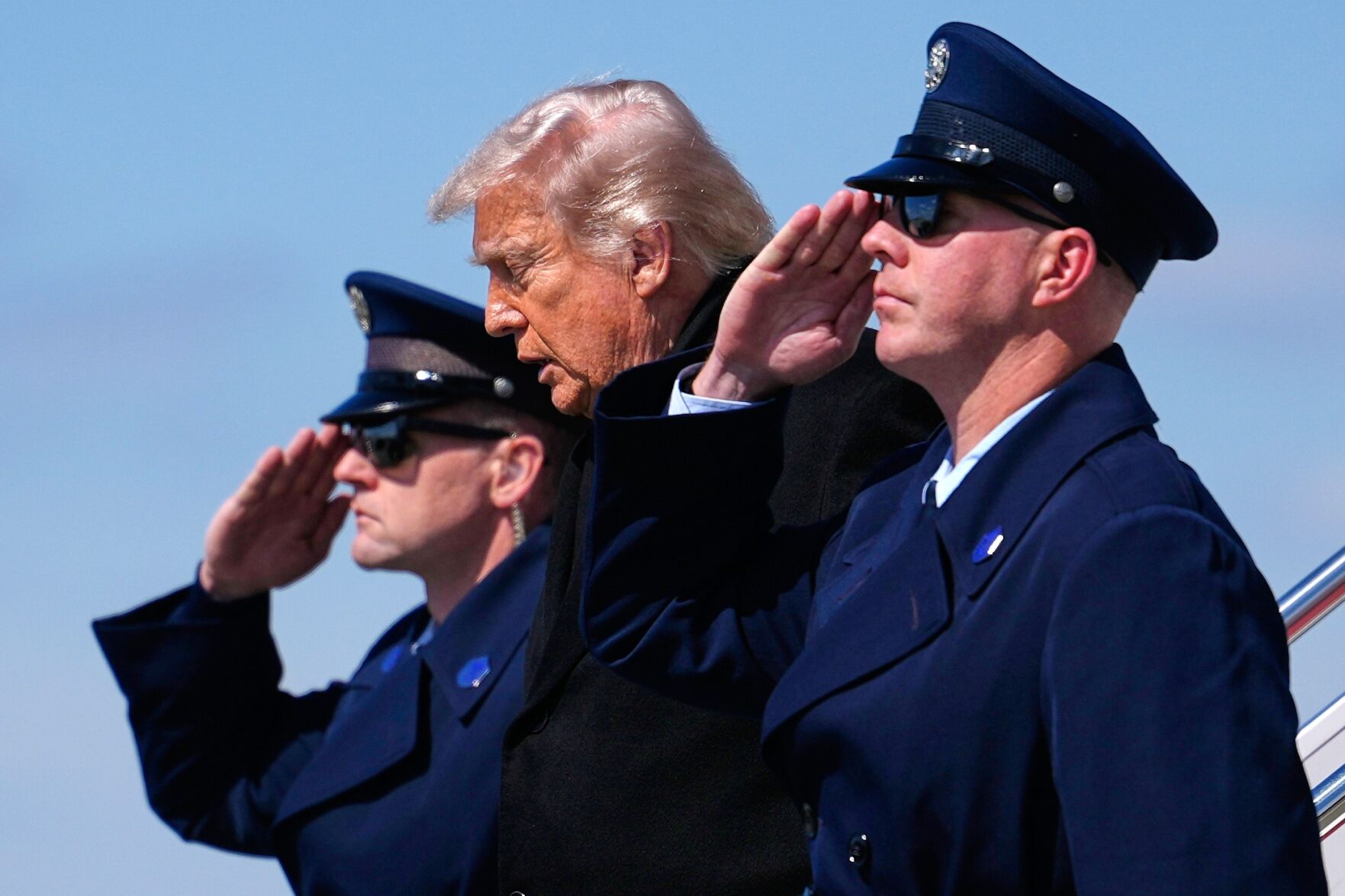
During a Tuesday session at the White House, top officials gathered to address pressing national and security concerns. Defense Secretary Pete Hegseth led much of the discussion, speaking about recent military actions abroad. The meeting took place in Washington, and key points of disagreement and explanation emerged on the subject of a boat strike carried out in the Caribbean Sea.
The “Fog of War” Defense
Hegseth’s principal argument rested on what he described as the “fog of war.” He explained that real-time intelligence and the fluid nature of on-the-ground operations demanded swift decisions by defense personnel. This phrase, commonly used to describe uncertain battlefield conditions, underscored how even planned actions can shift rapidly based on changing circumstances.
Follow-Up Strike in the Caribbean Sea
A central focus of Hegseth’s remarks was a follow-up strike on a vessel thought to be carrying drugs in the Caribbean Sea. Details about the specific intelligence leading to the operation were not fully disclosed, but officials reportedly believed the ship posed a significant threat. In defending the strike, Hegseth emphasized that military commanders must rely on incomplete data at times, confronting the possibility of misinformation or quick-changing developments.
Context and Challenges
Beyond the details of the boat incident, the White House Cabinet meeting touched on the broader challenges of countering illicit drug trafficking in maritime environments. Rapidly identifying and intercepting suspicious vessels often requires cooperation between defense and intelligence services, and decisions must be made without the benefit of perfect, real-time information.
Closing Perspective
While the details remain partially confidential, the White House Cabinet gathering highlighted the complexity of American defense strategies and the inherent uncertainty of military operations. According to the Associated Press, Hegseth’s remarks intended to underscore how critical real-time judgments are in safeguarding U.S. interests—and how the “fog of war” can sometimes make those judgments more difficult to navigate.