Despite fears of further price hikes, the global PC market recorded remarkable growth in 2025. Lenovo extended its lead, while Asus and Apple made strong gains, showing how consumer demand stayed resilient even as tariffs and memory prices climbed.
Subscribe
Analysis and Opinions
Policy Analysis
PC market grows due to fears of tariffs and DRAM prices, Lenovo remains market leader

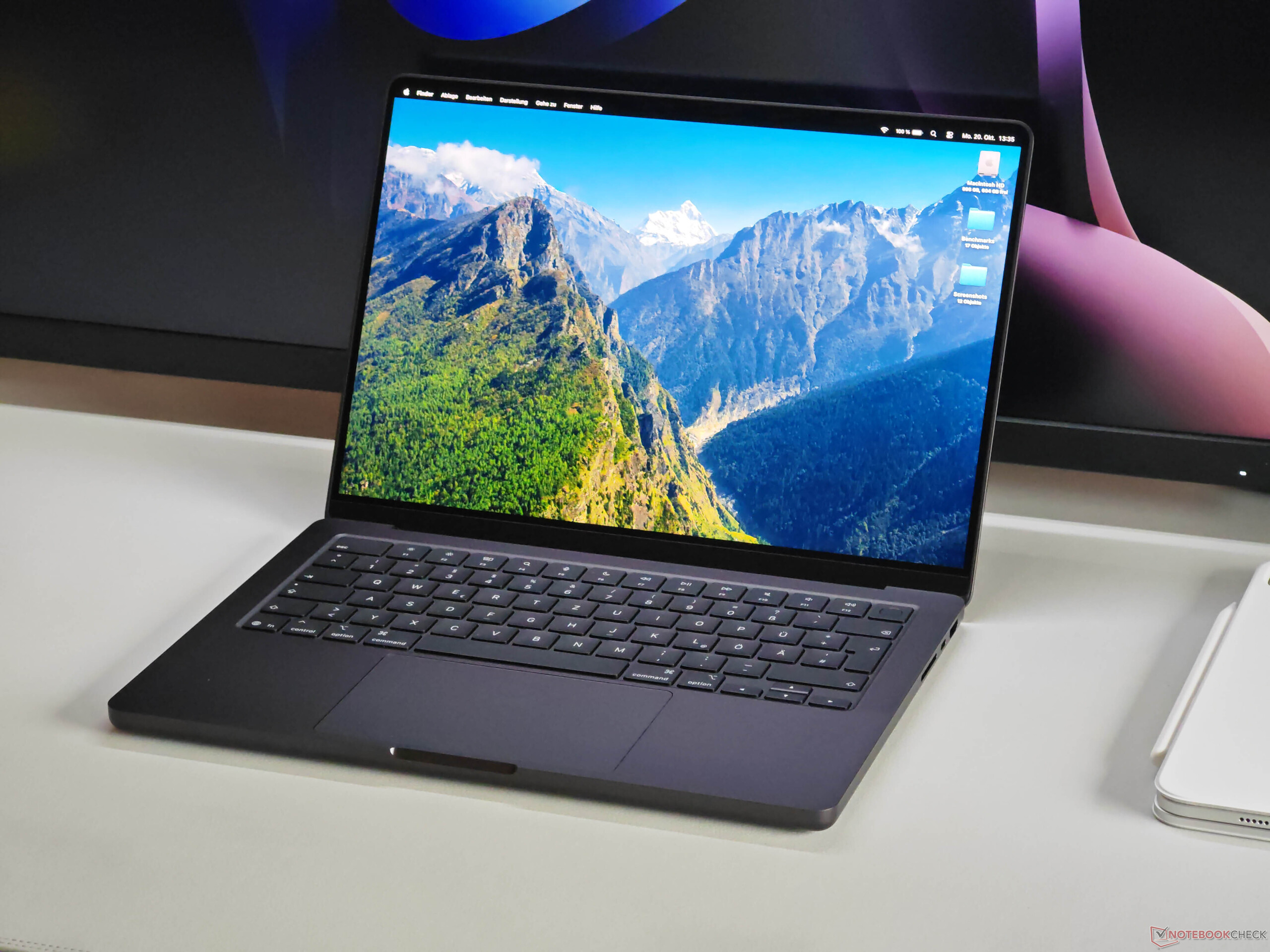
Photo by Notebookcheck
Key Takeaways:
- Tariffs and higher DRAM/NAND costs shaped the PC market in 2025
- Lenovo remains the top-selling manufacturer
- Asus and Apple reported significant sales growth compared to 2024
- Fear of price hikes did not deter customers from making purchases
- The industry illustrated resilience despite uncertain economic factors
The 2025 PC Market Landscape
Tariffs and escalating memory chip expenses, notably for DRAM and NAND, influenced the personal computer market throughout 2025. While many industry watchers feared a reduction in demand, the reality played out differently. Instead of curbing interest in new devices, these economic pressures pushed many consumers and businesses to make timely purchases, possibly in anticipation of even higher prices to come.
Tariffs and Price Pressures
With tariffs placed on key manufacturing components, PC makers faced higher production costs. Simultaneously, DRAM and NAND prices steadily rose, prompting discussions about whether customers would delay or reduce their PC investments. However, the data suggests otherwise, indicating marked growth over the previous year and revealing a consumer base that remained willing to buy, possibly motivated by concern over further cost spikes.
Lenovo Leads the Pack
Lenovo emerged again in 2025 as the market leader. Its broad range of models and strong global presence kept the brand at the top of the sales charts. Various factors—including brand trust and effective supply chain management—likely contributed to Lenovo maintaining its position, though precise data on unit sales remains behind industry paywalls.
Asus and Apple Enjoy Gains
Riding the wave of heightened consumer activity, both Asus and Apple significantly boosted their device sales compared to 2024. Both companies’ reputations for hardware innovation and customer loyalty helped them thrive even as price concerns loomed. Reports indicate that demand for new models, including more premium offerings, contributed to the uptick in overall market performance.
Consumer Confidence Overcomes Caution
Far from being deterred by the potential for cost hikes, buyers showed a tenacious appetite for new devices. Industry sources suggest that fears about future tariff increases encouraged some consumers to upgrade sooner rather than waiting. This behavior, in turn, helped push overall PC sales beyond what many analysts had anticipated.
Outlook for the Future
With mounting interest in emerging PC designs and ongoing shifts in consumer habits, the market’s trajectory remains in flux. Nevertheless, the combined effects of tariffs, component pricing, and brand strategies will continue to define the competitive landscape. As 2025’s data shows, PC buyers appear ready to adapt to changing conditions, making the sector’s near-term outlook more vibrant than experts once believed.