Planned Parenthood has concluded its legal battle against the Trump administration’s decision to cut off Medicaid funding for its abortion providers. The organization said the tax bill at issue unfairly targeted them, but they have now decided to withdraw from the courtroom fight.
Subscribe
Healthcare Reforms
Policy Analysis
Political Movements
Planned Parenthood drops lawsuit against Trump administration’s Medicaid cuts

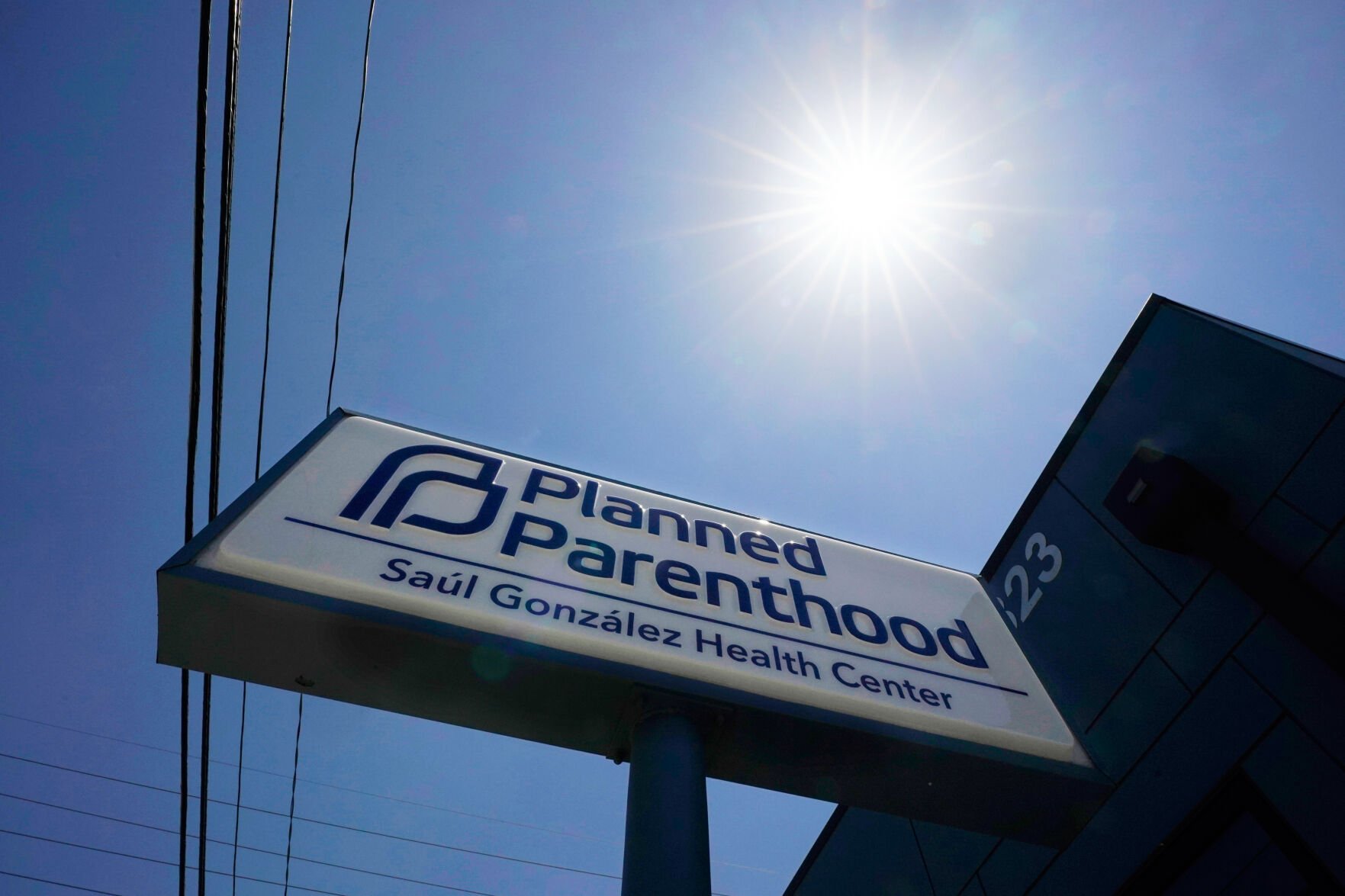
Photo by Timeswv
Key Takeaways:
- Planned Parenthood withdrew its Medicaid funding lawsuit against the Trump administration
- The legal dispute began in July, highlighting issues with a Trump-era tax bill
- The organization claimed the bill unfairly targeted its abortion services
- The lawsuit’s end raises questions about the future of reproductive rights
- This conflict underscores broader debates over federal funding for abortion providers
Introduction to the Lawsuit
Planned Parenthood announced that it has officially dropped its lawsuit challenging the Trump administration’s cuts to Medicaid funding for abortion providers. Since July, the organization had been fighting a part of the administration’s tax bill, arguing that it was crafted to single out their services unfairly.
Claimed Unfair Targeting
Officials at Planned Parenthood maintained that the changes introduced by the Trump-era legislation disproportionately affected clinics offering abortion and other reproductive health services. While specifics were not detailed in the now-withdrawn suit, Planned Parenthood contended that the changes represented a targeted effort to limit funding crucial to their operations.
The Decision to Drop the Lawsuit
Despite launching a legal challenge in mid-2025, the group recently elected to end the fight. Although few details have been disclosed about the reasons, the move signals a strategic shift. Some within the organization felt the lawsuit risked drawing the debate out unnecessarily, diverting time and resources from their broader mission.
Broader Implications for Abortion Providers
Planned Parenthood’s decision to abandon the suit has raised questions about how other abortion providers might respond to future funding cuts. Medicaid plays a significant role in financing healthcare for individuals who need reproductive services. Observers note that new legal battles could emerge if similar legislation is proposed again.
Political and Social Context
This outcome underscores ongoing tensions surrounding federal funding of abortion services and reproductive rights in the United States. While the lawsuit is over, the broader debate on these topics continues. Supporters of Planned Parenthood have voiced concerns about future policies that might restrict women’s access to critical health services.
The story of this lawsuit offers a snapshot of the complex interplay between healthcare providers, government funding, and political ideology in the United States. With the case now closed, attention shifts to how these developments may influence the future of reproductive healthcare on both the legal and policy fronts.