Scientists in Pune are working diligently to isolate the COVID-19 sub-variants responsible for India’s recent spike in cases. This crucial step aims to assess the effectiveness of existing vaccines and determine whether new vaccines are needed, according to Dr. Naveen Kumar of the National Institute of Virology.
Subscribe
Biotechnology
Breaking News
Infectious Diseases
Pune scientists isolating Covid sub-variants behind India’s new cases

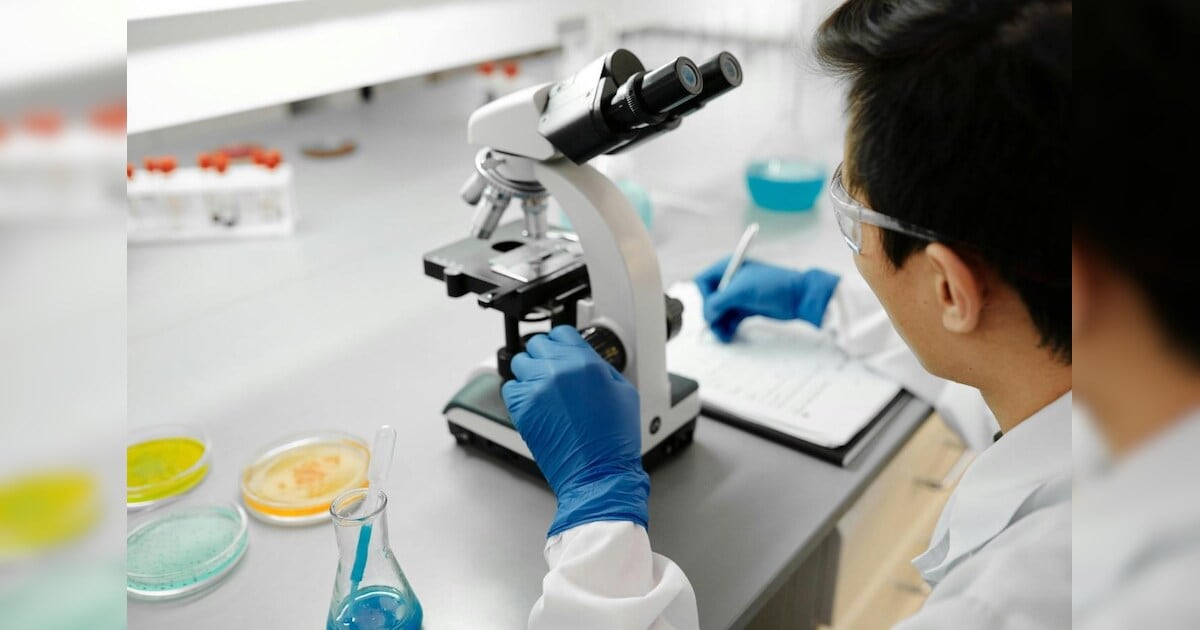
Photo by Business Standard
Key Takeaways:
- Pune scientists are isolating COVID-19 sub-variants behind India’s recent cases.
- The initiative aims to assess the effectiveness of existing vaccines.
- Findings could indicate the need for new vaccine development.
- Dr. Naveen Kumar of the National Institute of Virology is leading the efforts.
- Identifying sub-variants is vital for controlling the spread of COVID-19 in India.
Pune Scientists Take Action
As India grapples with a rise in COVID-19 cases, scientists in Pune have embarked on a mission to isolate the sub-variants driving the surge. This effort is seen as a critical step in understanding the evolving virus and mitigating its impact on public health.
Assessing Vaccine Effectiveness
The primary goal of isolating these sub-variants is to assess the effectiveness of existing vaccines. By identifying the specific mutations present in the circulating strains, researchers can determine if the current vaccines provide adequate protection or if adjustments are necessary.
Potential Need for New Vaccines
“The move to identify the current sub-variants will help in assessing vaccine effectiveness and whether a new vaccine is needed,” said Dr. Naveen Kumar of the National Institute of Virology (NIV). This statement underscores the potential implications of the research, which may influence vaccine strategy and distribution in the coming months.
Expert Insights
Dr. Naveen Kumar and his team at the NIV are at the forefront of this critical research. Their work not only contributes to India’s fight against the pandemic but also adds valuable knowledge to the global understanding of COVID-19’s evolution.
Conclusion
Identifying and understanding these sub-variants is essential for controlling the spread of COVID-19 in India. The efforts of the Pune scientists may pave the way for more effective vaccines and treatments, ultimately helping to protect lives and restore normalcy.