Archaeologists in Turkey have uncovered a rare fresco of Jesus as the “Good Shepherd,” shedding new light on Anatolia’s early Christian era. Found in August in an underground tomb near Iznik, this discovery has also drawn global attention due to a recent visit by the pope.
Subscribe
Ancient Civilizations
Historical Sites
Middle East
Rare fresco of Jesus as the ‘Good Shepherd’ visited by the pope

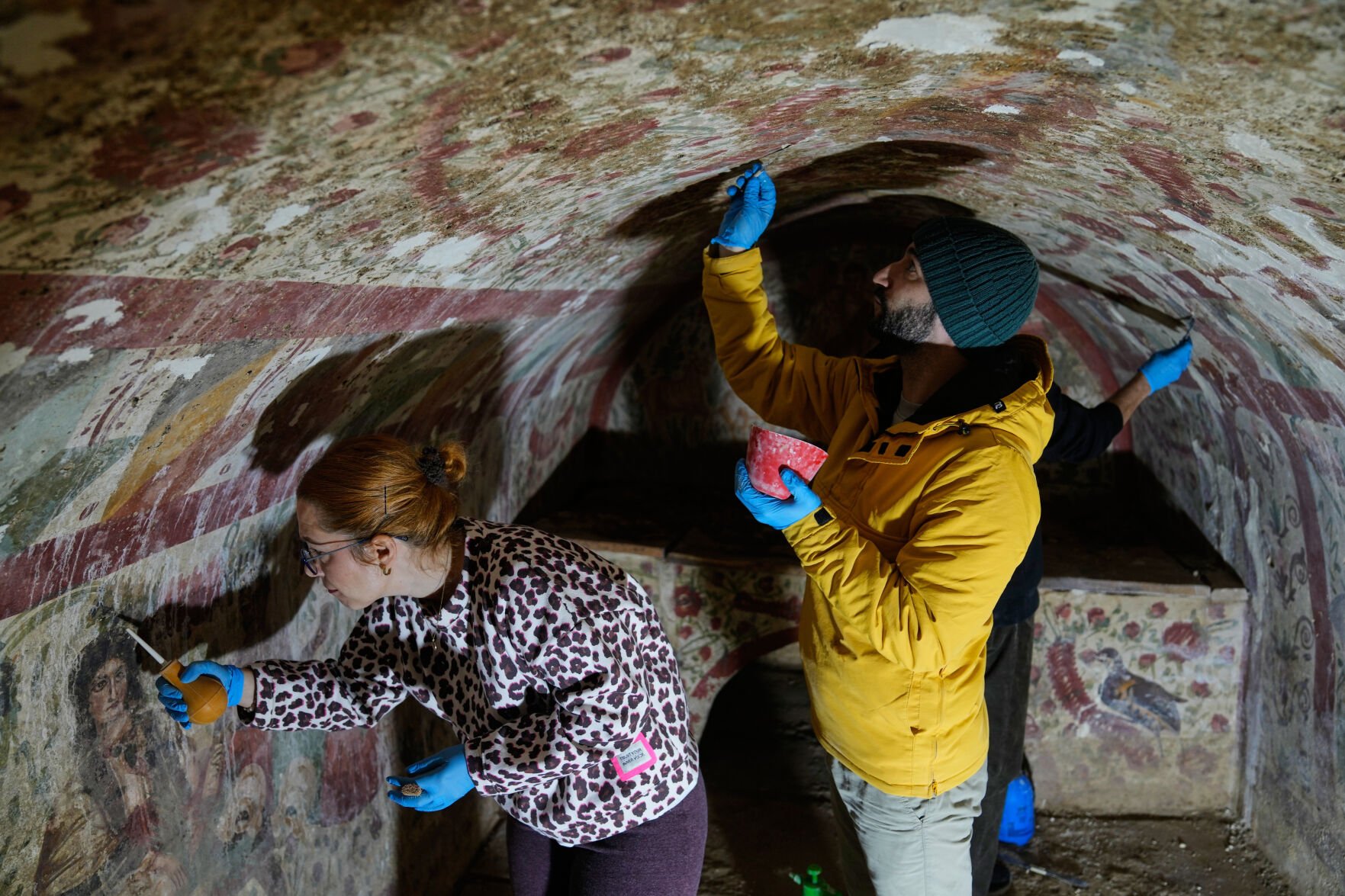
Photo by Crescent-news
Key Takeaways:
- Archaeologists uncovered a fresco depicting Jesus as the “Good Shepherd”
- The painting was discovered in August in an underground tomb near Iznik, Turkey
- Iznik, historically known for the Nicene Creed, underscores the region’s Christian heritage
- The pope’s visit to the site highlights its global religious significance
Introduction to the Discovery
Archaeologists in Turkey made a significant find in August: a fresco depicting Jesus as the “Good Shepherd.” Hailed as a major artifact from Anatolia’s early Christian period, the painting was unearthed in a previously unexplored underground tomb near the town of Iznik.
The Good Shepherd Imagery
The image of Jesus as the Good Shepherd has deep biblical and historical resonance, symbolizing care and guidance in Christian theology. The newly discovered fresco showcases the artistry and devotion prevalent in early Christian communities of Anatolia, offering art historians and theologians an intimate glimpse into centuries-old expressions of faith.
Iznik’s Historical Significance
Situated in northwestern Turkey, Iznik holds an essential place in Christian history for its role in shaping foundational doctrine. The Nicene Creed, widely adopted in early Christianity, was formalized in this region. The presence of such an elaborate fresco nearby underlines Iznik’s stature as a hub of religious development and artistry.
Papal Visit
The pope’s visit to the fresco site has reinforced the global importance of this discovery. While details around the visit remain limited, the event itself underscores the enduring reverence for historical Christian works and the international interest in better understanding religious artifacts from this era.
Cultural and Archaeological Importance
Beyond its religious relevance, the fresco’s discovery enriches the broader picture of Anatolia’s cultural past. Each new artifact helps historians piece together the daily life and beliefs of early Christian communities, solidifying Turkey’s position as a key repository of humanity’s diverse cultural and spiritual heritage.
In shedding light on both artistry and faith, this rare Good Shepherd fresco stands as an enduring testament to the region’s deep Christian legacy—and underscores why Iznik remains a focal point for archaeologists, historians, and the worldwide Christian community.