An alleged $8 billion in taxpayer funds disappearing from Minnesota’s welfare system has sparked public outrage. Now, many are asking why government is in the welfare business in the first place—and what accountability truly looks like.
Subscribe
Analysis and Opinions
Policy Analysis
Reason to rethink welfare


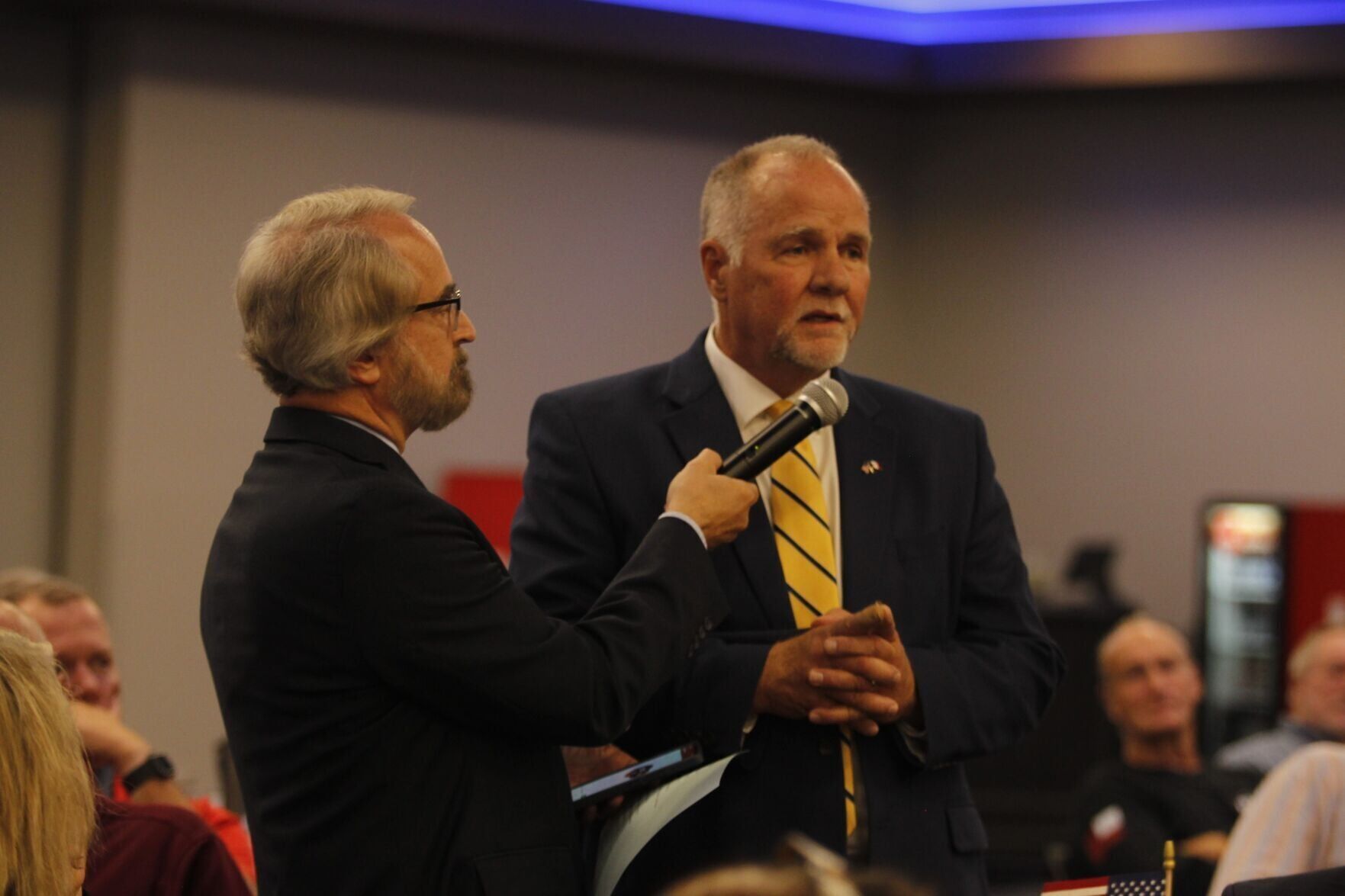
Photo by Norfolk Daily News
Key Takeaways:
- An estimated $8 billion in Minnesota welfare funds has reportedly been stolen.
- The public demands answers and greater accountability for taxpayer spending.
- The role and necessity of government-led welfare initiatives are questioned.
- Nonprofit organizations, such as United Way, provide alternative models for aid.
- The push for clarity could shape future debates on welfare policy.
The Stolen Funds
Reports indicate that as much as $8 billion in taxpayer money designated for welfare in Minnesota has been misused or stolen. This staggering figure has captured national attention, leaving both citizens and policymakers demanding concrete explanations and accountability.
Public Outcry and Accountability
As news of the alleged fraud spread, questions about government oversight surged. Taxpayers want transparency on where funds have gone and why stricter controls were not in place. This incident underscores the importance of rigorous checks and balances when it comes to public finances.
A Question of Government’s Role
The commentary, originally penned by Larry Elder, poses a fundamental query: Why is government in the business of welfare at all? Critics suggest that the Minnesota case demonstrates the vulnerability of large-scale public programs to abuse. Others argue that the government must ensure societal safety nets, pointing to the need for stronger internal controls.
Possible Alternatives
In the midst of such questions, nonprofit organizations like United Way are often cited. Their advocates claim these groups can efficiently deliver aid while minimizing risk. At the same time, debates continue over whether nonprofits alone have the reach and resources to replace government initiatives—especially for large-scale or highly specialized programs.
Looking Ahead
Regardless of one’s stance, the $8 billion scandal has reignited discussions on the structure and adequacy of welfare systems. The mix of public dismay and the call for answers could spur reforms to prevent future wrongdoing. Whether through tighter regulations or alternative models for delivering assistance, this controversy has placed welfare spending back under the national spotlight.