Carriers may soon shift back to Red Sea routes, potentially altering the global shipping landscape. BIMCO estimates that this shift could lower ship demand by around 10%, as shorter voyages free up capacity for the industry.
Subscribe
Export-Import Trends
Red Sea Shipping Return ‘Looms Large’ Over 2026

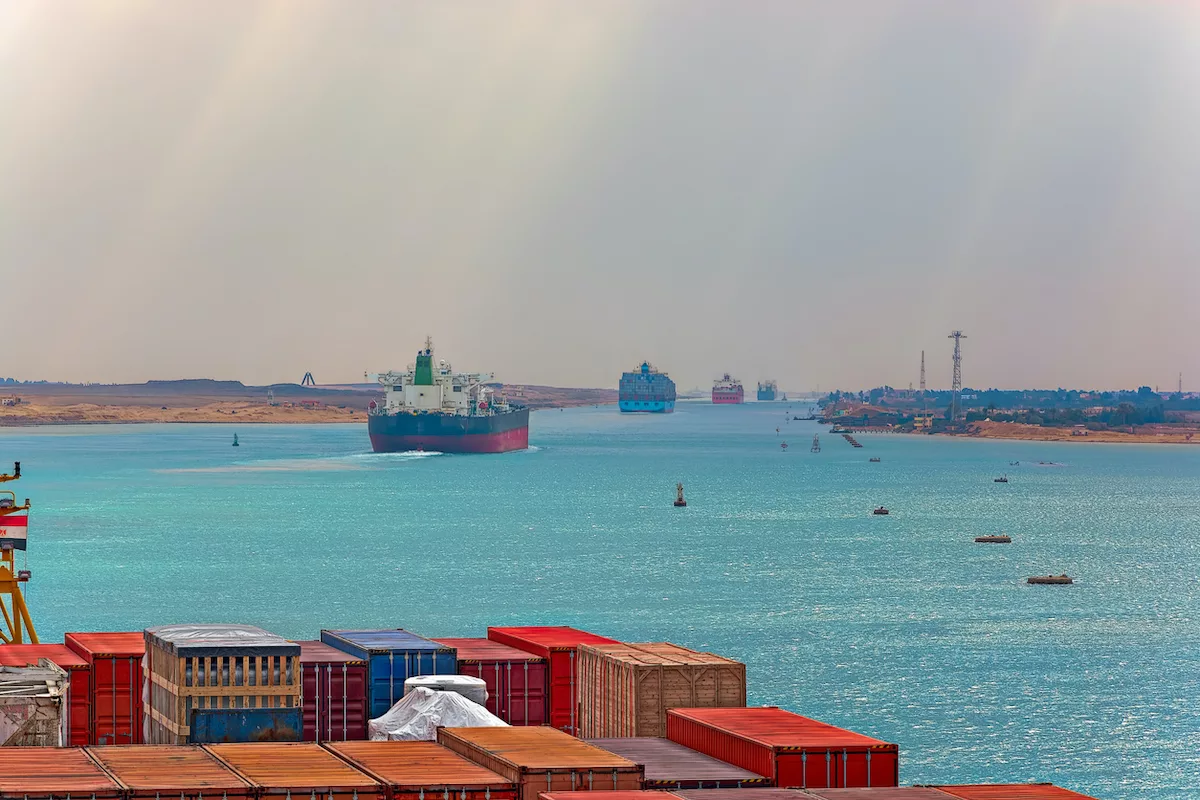
Photo by Supply Chain Brain
Key Takeaways:
- Carriers might heavily revert to Suez Canal routes.
- BIMCO projects a 10% drop in ship demand.
- Shorter voyages could free up valuable capacity.
- Global shipping patterns may evolve by 2026.
- The findings highlight major business and logistical shifts.
Potential Red Sea Route Shift
The prospect of carriers returning en masse to the Red Sea and Suez Canal routes has stirred anticipation in the global maritime community. Industry observers note that shorter voyages through the canal can offer considerable savings in time and fuel, giving carriers a competitive edge.
BIMCO’s Estimate of a 10% Ship Demand Drop
A key forecast from BIMCO indicates that if carriers do make the switch to these shorter routes, ship demand could drop “around 10%.” This shift occurs primarily because shorter journeys free up vessels more quickly, reducing the number of ships needed on any given route. For carriers and brokers, the prospect of a 10% drop is significant, as it speaks to both cost-efficiency and improved capacity management.
Industry Implications
Taking the shorter Suez Canal route could reshape current shipping schedules and force adjustments throughout the supply chain. For logistics companies, this might mean rethinking resource allocation and vessel deployment strategies, ensuring that precious shipping slots are optimized for new or faster routes. Reduced journey times not only save fuel and manpower, but also open the door for carriers to redeploy ships elsewhere, creating a ripple effect across the maritime sector.
Looking Ahead
Observers are keeping a close watch on how this anticipated move may fully materialize by 2026. Carriers exploring efficiency gains will inevitably shape the next chapter of global shipping, with the Red Sea route poised to become a central player once more. As the industry weighs potential cost benefits against operational challenges, the return to this strategic channel could herald a major shift for business and commerce worldwide.