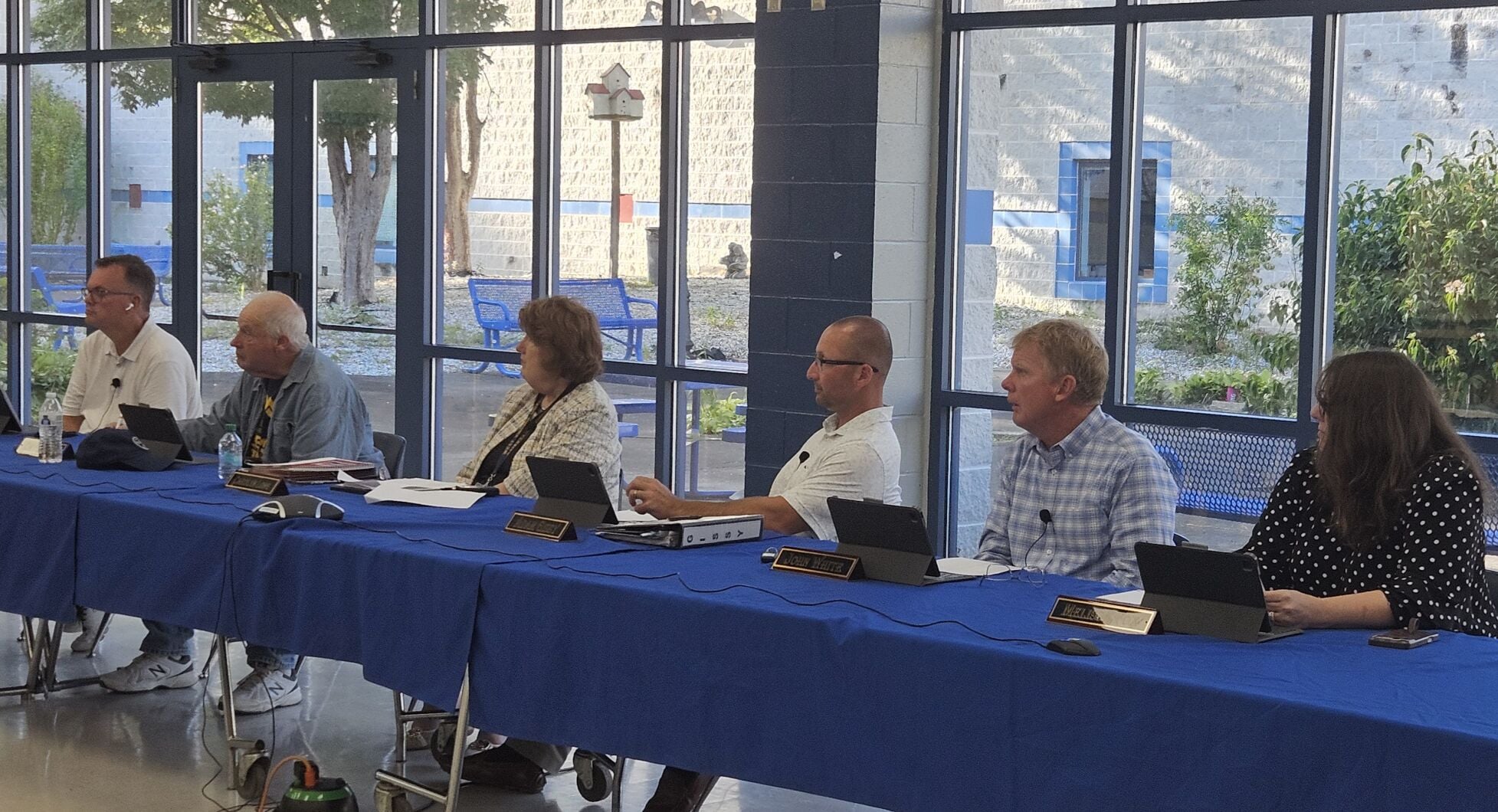
Iowa’s Board of Regents is poised to vote next week on a sweeping new policy that could give them greater authority in picking top university officials. The proposal would extend beyond selecting university presidents and apply to those presidents’ direct reports, vice presidents, and provosts.
Subscribe
Policy Analysis
Regents want say in Iowa university provost, vice president hires

Key Takeaways:
- The Board of Regents wants to expand its role in hiring.
- The proposal affects not only presidents but also vice presidents, provosts, and direct reports.
- A vote on the policy is expected next week.
- The move signals a shift in how leadership is chosen at Iowa’s public universities.
- Globe Gazette reported on this development on June 15, 2026.
Proposed Policy Overview
Iowa’s Board of Regents is preparing to consider a new policy that would give it more influence over the hiring of top administrators at the state’s public universities. Traditionally, the Board has played a critical role in selecting university presidents. Now, the proposed plan would expand this oversight to include vice presidents, provosts, and other senior positions reporting directly to the president.
Positions Under Scrutiny
The policy specifically identifies those who serve as key decision-makers in academic and administrative leadership. Under the new guidelines, the Board hopes to formally review and contribute to the selection of presidents’ direct reports, vice presidents, and provosts. Although the exact processes and criteria for approval are not detailed in the public announcement, the move suggests a more hands-on approach in shaping each university’s leadership roster.
Next Week’s Vote
The Board of Regents is slated to discuss and potentially vote on the proposal next week. Observers from across Iowa’s higher education landscape are looking to see how this policy, if passed, might alter how universities conduct future leadership searches. Any changes could impact both current and future recruitment as the state’s public universities continue to adapt to evolving educational demands.
Implications for Iowa’s Higher Education
Should the policy be adopted, it would mark a significant change in the balance of power in higher education governance. By broadening the Board’s scope of approval, it underscores a growing emphasis on top-down oversight. The full effects remain to be seen, but one outcome may be a more unified vision among leadership teams, reflecting priorities set by the Regents themselves.