In 1900, Viennese instrument maker Erwin Perzy was asked to create a brighter light for a hospital’s operating room. The request aligned with a broader tech wave spurred by Thomas Edison’s 1879 patent, sparking innovative solutions in medical illumination.
Subscribe
Uncategorized
Remember this? A brighter light

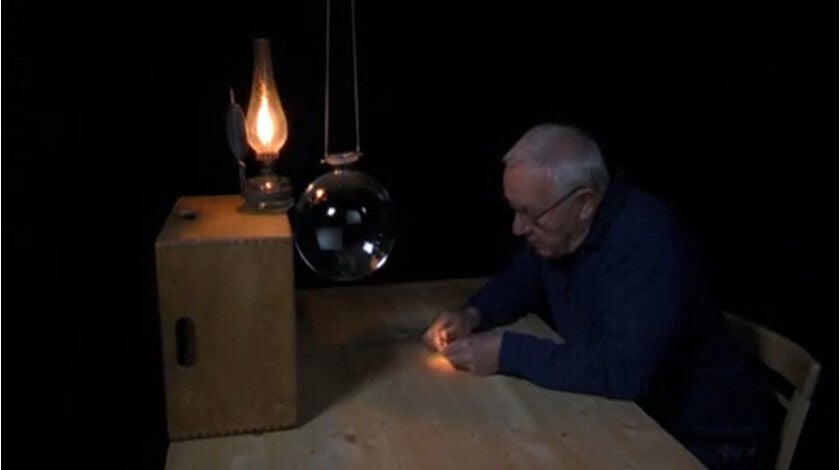
Photo by Thecabin Net
Key Takeaways:
- Erwin Perzy built and repaired surgical instruments in Vienna, Austria.
- A client in 1900 insisted on a brighter light for a hospital operating room.
- Thomas Edison’s 1879 patent filing is mentioned as a milestone in lighting history.
- Vienna was a center of medical and technological progress at the turn of the 20th century.
- Early hospital improvements foreshadowed modern focus on medical innovation.
A Bright Idea in Vienna
In the final days of the 19th century, Erwin Perzy was hard at work repairing and crafting surgical instruments for local physicians. Operating out of Vienna, Austria, his job placed him in the heart of medical advancement at a time when hospitals sought every possible means to improve patient care.
Answering a Surgeon’s Request
In 1900, Perzy received an unusual assignment: one of his clients requested a more powerful light source for an operating room. Surgeons had begun to realize that better illumination not only improved visibility but also enhanced the overall safety and accuracy of complicated procedures. Perzy’s expertise in instrument building put him in an ideal position to tackle this challenge.
Edison’s Shadow
Just 23 years before Perzy’s commission, Thomas Edison filed his famous patent for the electric light in 1879. Although Edison’s invention had already been recognized internationally, it was still transforming how people thought about lighting. For Perzy, this broader innovation provided a crucial backdrop, illustrating how science and technology were converging to change the world—one bulb at a time.
Illuminating Medical Progress
The need for bright, reliable illumination in operating rooms was not a small matter. Good lighting could mean the difference between success and failure during surgeries, and physicians recognized that the latest technologies, paired with skilled craftsmanship, were essential for improving patient outcomes.
Carrying Innovation Forward
Though the details of how Perzy’s final product took shape are limited, his story serves as a reminder that meaningful medical progress often begins with a single request. Working in tandem with Edison’s groundbreaking patent, individuals like Perzy helped foster a long-standing pursuit of perfection in the operating room—an effort that continues to drive medical advancements today.